
Windows 11 Laptop i3
4.5Editor score
Intel Core i3 CPU
12GB RAM memory
256GB SSD storage
Finding the right laptop for engineering studies requires balancing power, portability, and price. You need a machine that handles complex software without draining your budget quickly.
We compared ten models based on processor speed, memory capacity, and display quality. Our list covers budget-friendly options alongside high-performance machines for demanding tasks.
Each pick shows key specs and real-world benefits for campus life. Please note that prices and availability change frequently, so check current listings before buying.
4.5Editor score

4.6Editor score

4.6Editor score
As an Amazon Associate we earn from qualifying purchases.
This table provides a quick side-by-side comparison of all ten models, highlighting key specifications like processor type, memory, and storage options for easy decision-making.




The Lenovo laptop stands out with its powerful i7 processor and generous memory. It is rated highly for handling demanding engineering software smoothly.
We may earn a commission when you buy through this link, at no additional cost to you.
Its 24GB RAM allows you to run multiple heavy applications at once without slowdown. The 1TB SSD ensures quick access to large project files and code.
While it offers great power, it is slightly heavier than portable budget options. However, the performance trade-off is worth it for complex tasks.
This is the ideal choice for serious engineering students who need reliability. It balances power and portability well for daily campus use.
The 10-core processor handles simulations and coding without lag.
Ample space keeps your projects organized and fast to access.
We may earn a commission when you buy through this link, at no additional cost to you.
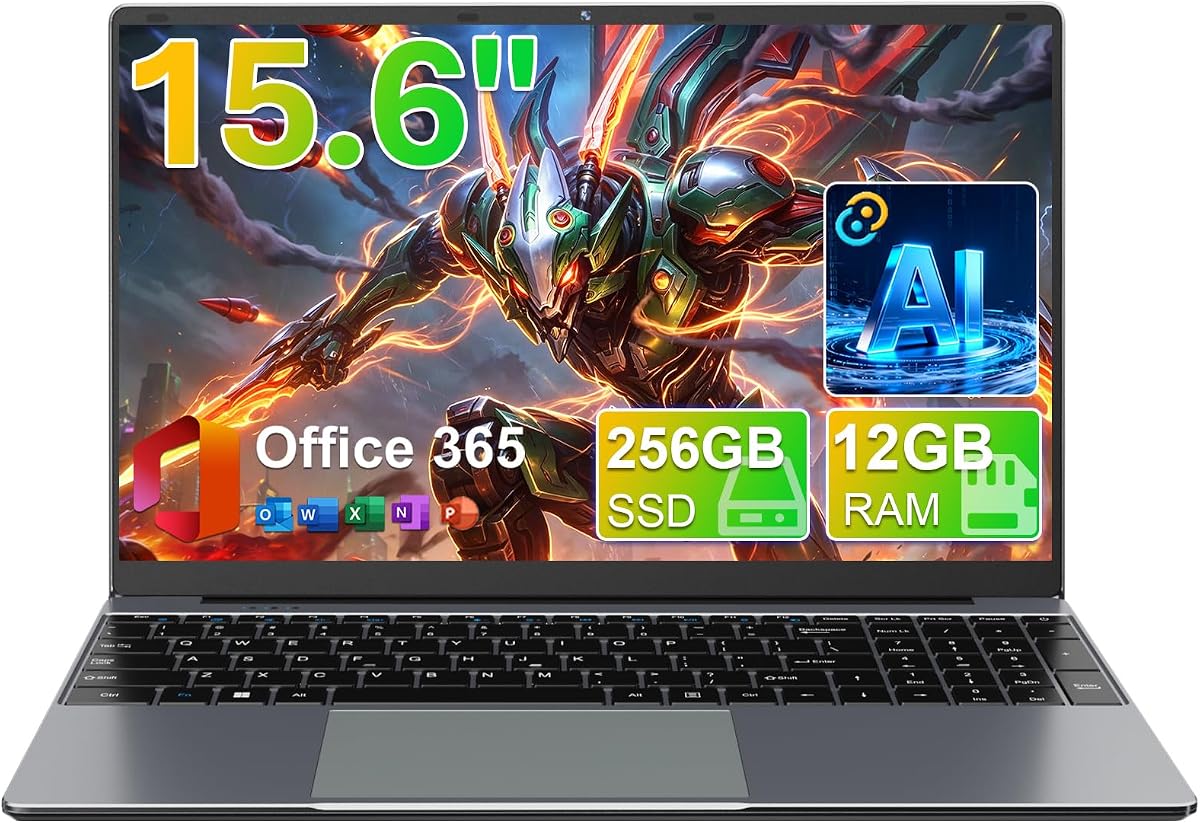
This Windows laptop offers excellent value for students on a tight budget. It is rated well for everyday tasks and online classes.
We may earn a commission when you buy through this link, at no additional cost to you.
The i3 processor with 12GB RAM handles light engineering apps and browsing well. The 256GB SSD provides fast boot times and system responsiveness.
It lacks dedicated graphics which limits heavy 3D rendering capabilities. But for most coursework and note-taking, it performs reliably and efficiently.
Choose this if you prioritize cost and portability over raw power. It is a solid entry point for general student needs.
Ideal for basic coding and document work without high costs.
Gets you through a full day of classes on one charge.
We may earn a commission when you buy through this link, at no additional cost to you.
This HP laptop features a large 17-inch screen that is great for multitasking. It is highly rated for business and student productivity alike.
We may earn a commission when you buy through this link, at no additional cost to you.
The Ryzen 5 processor and 16GB RAM handle data tasks with ease. The IPS display offers wide viewing angles for presentations and shared work.
Its size makes it less convenient for carrying in small backpacks. However, the extra screen real estate boosts efficiency significantly.
Pick this for a desktop replacement that offers great visuals and power. It suits students who work mostly in a fixed location.
The big screen allows side-by-side window management easily.
Enhanced security and management tools for professional workflows.
We may earn a commission when you buy through this link, at no additional cost to you.
This HP 14-inch model is lightweight and easy to carry daily. It receives good ratings for students needing basic computing and office work.
We may earn a commission when you buy through this link, at no additional cost to you.
The N150 processor is efficient for web tasks and document editing. Office 365 included adds value for students needing productivity software immediately.
Storage is limited to 128GB which may require cloud use. Also the HD screen resolution is lower than Full HD alternatives.
It fits well for students who prioritize mobility over raw specs. The battery life supports long school days without charging.
Save money with a year of Word and Excel included.
Lasts through back-to-back classes without needing a charger.
We may earn a commission when you buy through this link, at no additional cost to you.
The HP Stream offers impressive RAM and storage for its price. It is rated for basic student tasks and casual productivity work.
We may earn a commission when you buy through this link, at no additional cost to you.
The 16GB RAM helps with smooth multitasking of web apps. The docking station adds significant storage space for large files.
The processor is slower so avoid heavy engineering software. It is better suited for online classes and general schoolwork.
Choose this if you need more storage without spending much. It works well for lighter academic workloads.
The extra TB storage keeps your digital library safe.
High RAM allows more browser tabs and apps open.
We may earn a commission when you buy through this link, at no additional cost to you.
This Essential model focuses on portability and simplicity for students. It rates well for basic daily tasks and lightweight work.
We may earn a commission when you buy through this link, at no additional cost to you.
The N150 processor is efficient for energy use. It keeps the laptop cool and quiet during long sessions.
RAM is only 4GB which limits heavy multitasking. You will need to close apps often when switching tasks.
It is a good starter laptop for those on a budget. Best used for web-based school assignments and notes.
Noise reduction helps in clear communication during classes.
AI assistance is ready at the press of a key.
We may earn a commission when you buy through this link, at no additional cost to you.
This student laptop offers a nice screen resolution and good memory. It is rated for casual computing and content viewing.
We may earn a commission when you buy through this link, at no additional cost to you.
The 12GB RAM handles general multitasking well. The Full HD IPS display makes media and documents look crisp.
The CPU is older and not for heavy engineering work. It is better for general coursework and streaming.
Get this if you want a decent screen without high cost. It works well for light to medium student needs.
The 180 degree hinge allows easy presentation sharing.
IPS panel ensures clear colors from any angle.
We may earn a commission when you buy through this link, at no additional cost to you.
This HP Student model offers a balanced set of features. It is rated for general academic tasks and business work.
We may earn a commission when you buy through this link, at no additional cost to you.
The compact design fits easily in backpacks. The screen ratio gives more viewing area than typical laptops.
RAM and storage are on the lower side. You may need external drives for larger projects.
It is suitable for students needing a simple reliable machine. Great for web tasks and document editing daily.
Full Office suite included to get started immediately.
Modern architecture ensures good battery life.
We may earn a commission when you buy through this link, at no additional cost to you.
This Dell laptop provides reliable performance with an i5 processor. It is rated for daily use and professional needs.
We may earn a commission when you buy through this link, at no additional cost to you.
The ComfortView software helps reduce eye strain during long study. The numeric keypad is useful for data entry tasks.
Specific RAM and storage are listed as standard which may vary. Ensure you check the exact config before buying.
It is a good choice for those who want brand support. Includes onsite service for peace of mind.
Blue light reduction keeps eyes comfortable during long hours.
Onsite warranty helps resolve issues quickly at your location.
We may earn a commission when you buy through this link, at no additional cost to you.
This HP 2026 model is designed for light student use. It is rated for home use and basic school tasks.
We may earn a commission when you buy through this link, at no additional cost to you.
The AI integration helps with quick tasks. It is easy to carry with the slim design.
Memory is low so multitasking is limited. Battery is decent but not full day heavy use.
Use this for basic homework and browsing needs. It is a functional option for budget-conscious buyers.
Copilot key offers instant help with content creation.
Slim frame slips easily into any backpack.
We may earn a commission when you buy through this link, at no additional cost to you.
Choosing the right engineering laptop requires understanding your specific software needs and budget. This guide breaks down key factors to help you find the perfect device.
The processor is the brain of your laptop. For engineering tasks like CAD or simulations, look for at least an Intel Core i5 or AMD Ryzen 5. Higher core counts help with multitasking complex applications.
Prioritize recent generations of CPUs for better efficiency and speed.
RAM determines how many programs you can run at once. Engineering software often uses significant memory so 16GB is recommended for smooth operation. 8GB might suffice for lighter coursework but 16GB provides room to grow.
Choose 16GB or more if you plan to run multiple heavy apps together.
Solid State Drives (SSD) are essential for fast boot times and file access. Aim for at least 512GB to store large project files. NVMe SSDs offer even faster speeds than SATA ones for better performance.
Aim for 512GB or more SSD storage to avoid filling up quickly.
A clear display reduces eye strain during long study sessions. Look for Full HD (1920×1080) resolution as a minimum. IPS panels provide better viewing angles and color accuracy for presentations.
Select an IPS screen with Full HD resolution for clarity.
Since you will carry your laptop around campus consider the weight. Laptops under 4 pounds are easier to handle. Thinner designs fit better in backpacks but check if they sacrifice ports.
Keep weight under 4 pounds for easy transport to classes.
You will want your laptop to last through a day of classes. Look for models promising 7 to 10 hours of mixed usage. Fast charging features also help when you are on the go.
Opt for 8+ hours of battery to cover a full school day.
Ensure your laptop has enough ports for your peripherals. USB-C and HDMI are common for connecting monitors or projectors. WiFi 6 provides stable internet in crowded lecture halls.
Check for USB-C and HDMI ports to connect to displays easily.
Engineering laptops range from budget-friendly to premium. Set a realistic budget based on your major. higher spending more on power often means better longevity for your degree.
Balance upfront cost with performance needs for your specific course.
Keep your laptop cool by avoiding soft surfaces like beds or blankets during heavy use. Heat can reduce performance and shorten the lifespan of internal components.
Use a protective sleeve or case when carrying your device. This prevents scratches and minor drops that could damage the screen or body.
Update your operating system and drivers regularly to ensure security and compatibility. Software updates often include fixes for bugs and performance boosts.
Not necessarily. While gaming laptops offer powerful hardware, dedicated engineering laptops often provide better battery life and portability. Focus on CPU and GPU performance relevant to your specific software.
Most engineering software runs best on Windows. Some tools may not be available on macOS. Check your curriculum requirements before choosing a Mac to ensure compatibility.
16GB is the sweet spot for most engineering students. It handles multitasking well without the high cost of 32GB. 8GB might struggle with large projects later.
A 15 to16-inch screen is a good balance of portability and workspace. Larger screens offer more room but are heavier to carry around campus daily.
Yes cloud storage or an external drive is wise. Engineering files can grow large quickly and external backups protect your work from potential hardware failure.
Generally no. Most engineering apps require a full desktop OS like Windows. Chromebooks are better for general student tasks rather than specialized engineering software.
We explored ten laptops that cover a wide range of needs and budgets. From powerful models to affordable daily drivers there is something for every student.
Prioritize the features that match your specific engineering discipline. Performance and battery life often outweigh pure portability for technical majors.
Always verify current prices and specs before making a final decision. Technology changes fast so staying updated ensures you get the best value.