
DY-50 Intraoral Camera
4.5Editor score
Works with major software
Ergonomic design included
Anti-fog non-spherical lens
This guide compares the best camera for dental photography including intraoral cameras DSLRs and mirrorless options to help professionals capture clear
Selecting the right camera for dental photography is crucial for accurate diagnosis and patient communication. High-quality images help dentists document cases clearly while ensuring patients understand their treatment needs effectively.
We evaluated ten top-rated cameras based on image clarity ease of use and software compatibility. Our list includes dedicated intraoral devices and versatile general-purpose cameras suited for clinical environments.
Each pick highlights specific strengths like autofocus speed or integration capabilities. Please note that prices and availability change frequently so verify current details before making your final purchase decision today.
4.5Editor score
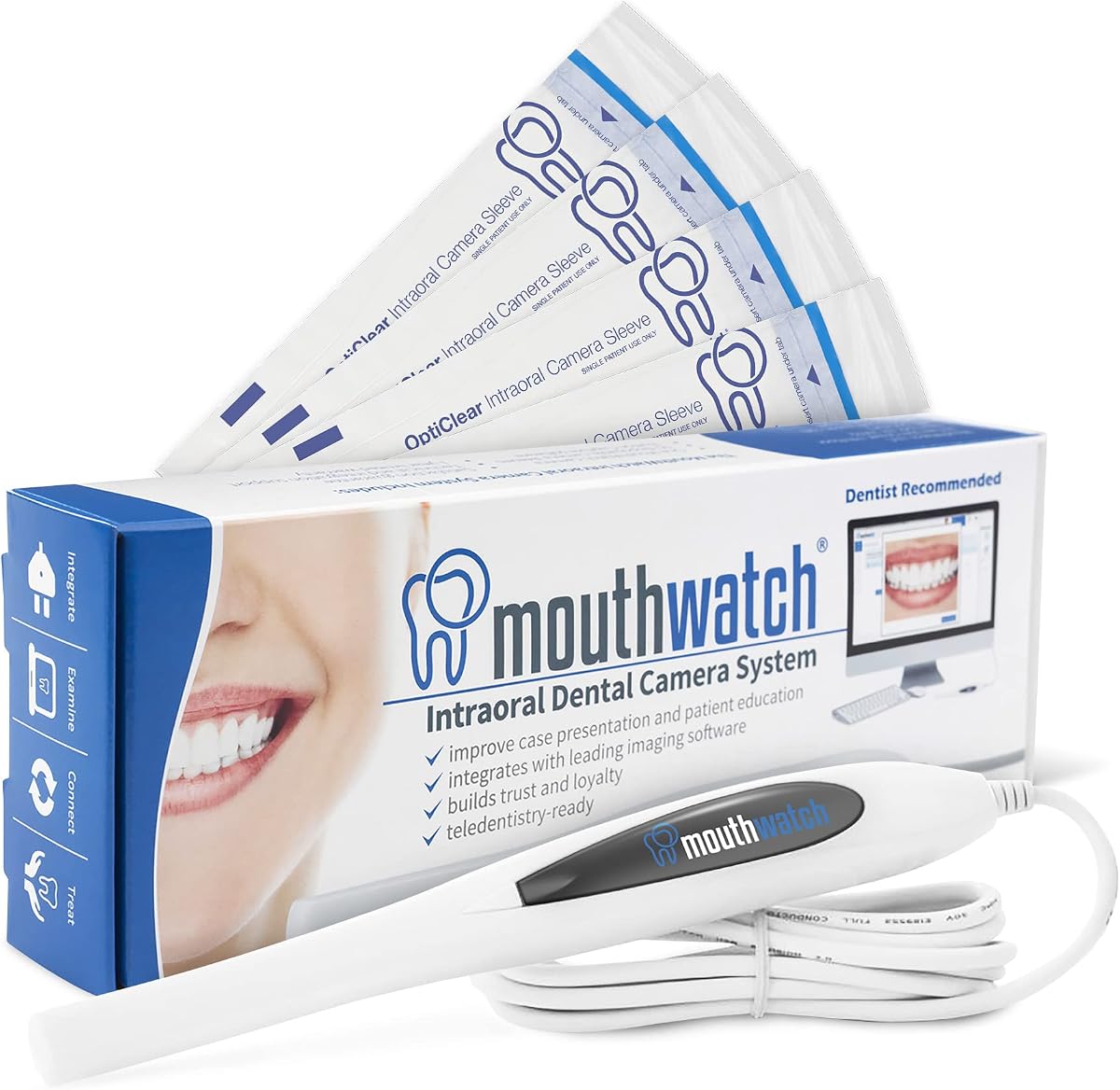
4.4Editor score

4.5Editor score
Here is a side-by-side comparison of all ten cameras evaluated for this guide. Each entry lists key specifications to help you quickly identify which model fits your clinical needs.


The Intraoral Camera Crystal Clear Images stands out as the top choice for dental professionals seeking reliable imaging. With a 4.4 rating it delivers clear photos without lag to help patients understand treatment needs quickly.
We may earn a commission when you buy through this link, at no additional cost to you.
Its fixed focal distance eliminates manual focusing frustration while the single button capture saves time during busy interactions. The camera integrates with over fifty dental imaging suites ensuring seamless workflow across practices.
While the lack of zoom limits versatility some users may prefer more optical flexibility. However the ergonomic design and quick integration make up for these trade-offs in daily clinical use effectively.
This camera is ideal for clinics needing efficient case documentation without complex setup. We recommend it for any practice prioritizing speed and clarity in patient communication today.
Clear visuals help patients see necessary treatments improving case acceptance rates significantly.
Included capture software supports major platforms reducing technical setup time for staff.
We may earn a commission when you buy through this link, at no additional cost to you.
The Canon EOS Rebel T7 DSLR offers robust imaging capabilities suitable for detailed dental photography. Its 24.1 Megapixel sensor captures vibrant colors and sharp details even in lower light conditions within offices.
We may earn a commission when you buy through this link, at no additional cost to you.
Wi-Fi and NFC connectivity allow quick transfers to smartphones for instant sharing with patients. The optical viewfinder provides clear composition help while the system supports extensive EF lens options for specialized needs.
Compared to dedicated intraoral units this DSLR is heavier and requires more manual setup for oral shots. Yet its versatility makes it a strong choice for clinics needing multi-purpose photography beyond dental cases.
We suggest this model for professionals who value flexibility and image quality over speed. It remains a reliable tool for documenting cases when paired with appropriate macro lenses.
APS-C CMOS sensor ensures clinical details are captured with high fidelity for records.
Built-in wireless tools streamline file transfers to mobile devices for patient reviews.
We may earn a commission when you buy through this link, at no additional cost to you.
This bundle provides everything needed to start dental photography using a trusted DSLR system. With a 4.6 rating the Rebel T7 delivers exceptional image quality suitable for precise documentation of oral conditions.
We may earn a commission when you buy through this link, at no additional cost to you.
The included accessories like memory card and shoulder bag save time and money on setup. Intuitive automatic settings make it easy for beginners to transition into professional-grade clinical photography efforts.
While the camera excels in clarity the weight and size can hinder quick intraoral shots. Users should consider macro lenses to get closer views of teeth and gums effectively.
For practices starting from scratch this kit offers a comprehensive entry point. It balances performance with ease of use to support growing photography needs efficiently.
Included accessories reduce initial costs and get your photography workflow started immediately.
Simplified menus help staff focus on imaging rather than complex camera configurations.
We may earn a commission when you buy through this link, at no additional cost to you.
The Canon EOS R50 brings modern mirrorless technology to dental photography with impressive speed and clarity. Its 24.2 Megapixel sensor and DIGIC X processor ensure stunning image quality for detailed clinical documentation.
We may earn a commission when you buy through this link, at no additional cost to you.
The Dual Pixel CMOS AF II system covers the entire frame for precise focus on teeth. This advanced tracking combined with 4K video capabilities makes it a powerful tool for teaching presentations.
While the price is higher than DSLR alternatives the lightweight body and fluid video capture offer unique benefits. It may be less convenient for static shots but excels in dynamic recording tasks.
We recommend this model for clinics investing in multimedia documentation. It provides future-proof capabilities for evolving dental imaging and patient education needs.
AI subject detection ensures critical details are sharp every time without delay.
High-quality video allows for capturing procedures and explanations effectively.
We may earn a commission when you buy through this link, at no additional cost to you.
The Sony ZV-1 is primarily designed for creators but its optical quality can be adapted for detailed dental work. With a bright ZEISS lens and powerful sensor it captures vibrant professional-grade results in various lighting conditions.
We may earn a commission when you buy through this link, at no additional cost to you.
Its lightweight design makes it easy to handle during long sessions while the vari-angle LCD supports flexible framing. Audio features ensure clear recording if video explanations are part of the patient workflow.
However it lacks specialized intraoral features and macro adaptability compared to dedicated dental cameras. Users must rely on external accessories for close-up work inside the mouth effectively.
This camera suits those wanting a versatile imaging tool beyond dental needs. It works well for general clinic photography but may need extra lenses for precise oral exams.
The fast lens delivers natural colors and smooth tonal transitions in photos.
Under 300 grams it is easy to move around for different clinic tasks.
We may earn a commission when you buy through this link, at no additional cost to you.
This budget digital camera offers high specs on paper including 8K video and an 88MP sensor. Its quick autofocus system locks focus in seconds to help users capture sharp images without delay.
We may earn a commission when you buy through this link, at no additional cost to you.
WiFi transfer allows easy sharing of photos via app while the dual-lens setup offers creative angles for documentation. The large touchscreen makes framing and focusing intuitive for users of all levels.
Digital zoom and general-purpose design mean images may lack clinical precision compared to dedicated tools. It serves better for basic documentation rather than critical diagnostic imaging needs.
We suggest this for those needing a cost-effective backup or general use. It provides functional imaging but should be paired with clinical software for accuracy.
Digital zoom can reach distant subjects but may reduce fine detail resolution.
Modes like timelapse and filters help produce engaging visual content easily.
We may earn a commission when you buy through this link, at no additional cost to you.
The DY-50 intraoral camera provides reliable performance at an accessible price point. With a 4.5 rating it integrates into most North American imaging software to support seamless documentation workflows.
We may earn a commission when you buy through this link, at no additional cost to you.
Its ergonomic design allows easy picture capture from upper and lower arches with a direct USB connection. Included capture button drivers ensure it works across major platforms without extra setup.
While older technology like USB 2.0 slows data transfer it delivers clear images for standard use. The lightweight handset reduces fatigue during longer documentation sessions effectively.
We recommend this model for small practices needing essential imaging tools. It offers solid functionality and broad compatibility for routine clinical photography today.
The light weight helps reduce wrist strain during extended clinical documentation tasks.
Broad compatibility reduces the need for proprietary software purchases or setup.
We may earn a commission when you buy through this link, at no additional cost to you.
The DARYOU DY-60 adds zoom flexibility to intraoral photography with 4X magnification for closer views. Its 720P HD quality supports clear image capture that works with major dental imaging platforms.
We may earn a commission when you buy through this link, at no additional cost to you.
The capture button driver ensures seamless integration with software like Eaglesoft and Dexis without extra hardware. This simplifies workflow for staff who prefer simple button press operations over pedals.
Zoom is digital rather than optical which may limit fine detail clarity on extreme close-ups. However it remains a practical choice for clinics needing variable magnification without complex setups.
We suggest this model for offices prioritizing ease of use and zoom range. It balances affordability with functionality for routine documentation needs.
Magnification helps highlight specific areas without moving the camera too close.
Driver included ensures buttons work across major platforms instantly.
We may earn a commission when you buy through this link, at no additional cost to you.
The UNK Kime-X8S system delivers a complete imaging solution with a built-in touchscreen computer. Its high-performance image chip ensures ultra-smooth visuals for precise analysis and patient presentations.
We may earn a commission when you buy through this link, at no additional cost to you.
With WiFi QR functionality photos transfer to devices in seconds avoiding cables. The 17-inch display supports quad-split views to compare before and after images efficiently during case reviews.
The compact ultra-slim camera improves workflow but the unit requires significant space on counters. It may not fit smaller clinics but excels in larger practices needing integrated workflows.
We recommend this model for clinics wanting seamless documentation and communication. It combines imaging and transfer into one device for streamlined daily use.
Having computing built in reduces desktop clutter and cable management.
QR codes allow instant photo sharing without complex setup.
We may earn a commission when you buy through this link, at no additional cost to you.
This lighting kit enhances any camera setup by providing optimal illumination for oral photography. Its adjustable brightness ensures clear images showing surface details and fine points for better patient communication.
We may earn a commission when you buy through this link, at no additional cost to you.
Flexible brackets allow omni directional shooting to view inside the mouth from any angle. Compatible with most cell phones it offers an affordable way to improve photo quality without new hardware.
As an accessory it depends on a separate camera to capture images. Yet its portability and ease of use make it a valuable tool for home or clinic settings.
We suggest this for those looking to upgrade photo clarity without buying a new camera. It works seamlessly with existing devices to improve documentation results.
Controls let you dial in lighting to avoid shadows and glare.
Works with cell phones to reduce costs while improving image clarity.
We may earn a commission when you buy through this link, at no additional cost to you.
Choosing the right camera involves balancing image quality workflow efficiency and software needs.
Resolution determines how clearly details like cavities or cracks appear. Look for at least 10 megapixels for high fidelity or dedicated intraoral sensors.
Prioritize sensors that deliver sharp details for accurate diagnosis.
Your camera must integrate with your practice management software to save time. Check lists for support of major platforms like Eaglesoft or Dexis.
Ensure drivers are available for your specific software.
Single-button capture or ergonomic designs reduce fatigue and increase speed during busy days. Features like automatic settings simplify workflow for all staff levels.
Choose intuitive tools that minimize technical steps.
Proper illumination is critical for accurate color and detail capture. Consider cameras with built-in LEDs or separate LED kits to avoid shadows inside the mouth.
Adjustable brightness helps tailor light to needs.
USB or wireless options affect how fast images transfer to computers. Wi-Fi allows instant sharing for patient education and feedback.
Select connections that match your speed requirements.
Dedicated intraoral cameras cost more than general DSLRs but offer specialized features. Determine if the added functionality justifies the investment for your practice.
Balance initial cost with long-term utility.
Lightweight designs reduce strain during longer sessions while compact units fit small counters. Consider where the camera will live and how often it moves.
Choose ergonomics that support daily use.
Look for models with upgrade potential like lens compatibility or firmware updates. Investing in versatile gear protects your budget from frequent replacements.
Prioritize features that grow with your needs.
Before using clean the lens with a microfiber cloth to remove dust that may blur images. Ensure the camera is fully charged or connected to a reliable power source to prevent interruptions.
For intraoral shots use a sterile sheath and position the camera close to the target without touching the tongue. Press the capture button once and wait for the image to save to your software.
After each session wipe down the camera with approved disinfectant and store it in a dry place. Regularly update firmware and drivers to maintain compatibility and optimal performance.
Intraoral cameras are typically best for specialized clinical work as they are designed for mouth access. However DSLRs or mirrorless cameras with macro lenses offer flexibility for broader imaging needs.
Most dedicated dental cameras support major platforms like Eaglesoft or Dexis via drivers. Always verify compatibility with your specific practice management software before purchasing a new device.
Lighting is crucial for capturing accurate colors and details. Using LED ring lights or dedicated kits helps eliminate shadows and ensures images show the true condition of teeth.
Yes you can use a DSLR with a macro lens to capture high-quality dental images. It requires more setup but offers versatility for other clinical photography needs effectively.
Use a sterile sheath on intraoral cameras and disinfect external surfaces after each use. Avoid submerging parts in liquid and follow manufacturer guidelines to extend device life.
Many modern cameras support Wi-Fi or QR code transfers for instant sharing. Check product specs for wireless capabilities if quick patient communication is a priority for your workflow.
We reviewed ten options from dedicated intraoral units to versatile DSLRs for dental photography. Each model offers unique benefits whether you prioritize speed or imaging flexibility.
For most practices the Intraoral Camera Crystal Clear Images balances performance and ease of use effectively. Its integration capabilities make it a top choice for streamlining clinical documentation.
Remember to check current prices and availability before finalizing your purchase. Investing in the right camera helps improve patient care and workflow efficiency significantly.