
Lenovo Business Laptop – Linux Mint
4.6Editor score
Intel i5-1335U Processor
16GB RAM and 256GB SSD
15.6 Inch FHD Display
This guide compares the top 10 Linux laptops of October 2026, evaluating performance, build quality, and software compatibility to help you choose the perfect
Linux laptops offer a powerful alternative to Windows machines for developers, privacy advocates, and open-source enthusiasts. They provide a clean, customizable environment that respects user freedom and security while delivering robust performance for daily tasks and specialized workflows.
We evaluated ten real products based on hardware specifications, user ratings, and operating system integration. Our analysis covers everything from rugged industrial units to sleek ultrabooks, ensuring you find a machine that fits your specific needs and budget constraints effectively.
Each selection highlights unique strengths like processor speed, display quality, and port variety. Please note that prices and availability change frequently, so verify current details before purchasing to ensure you get the best value for your investment today.
4.6Editor score

5.0Editor score
5.0Editor score
This side-by-side comparison breaks down the key specifications of each model so you can quickly identify which device offers the right balance of power, portability, and price for your workflow.


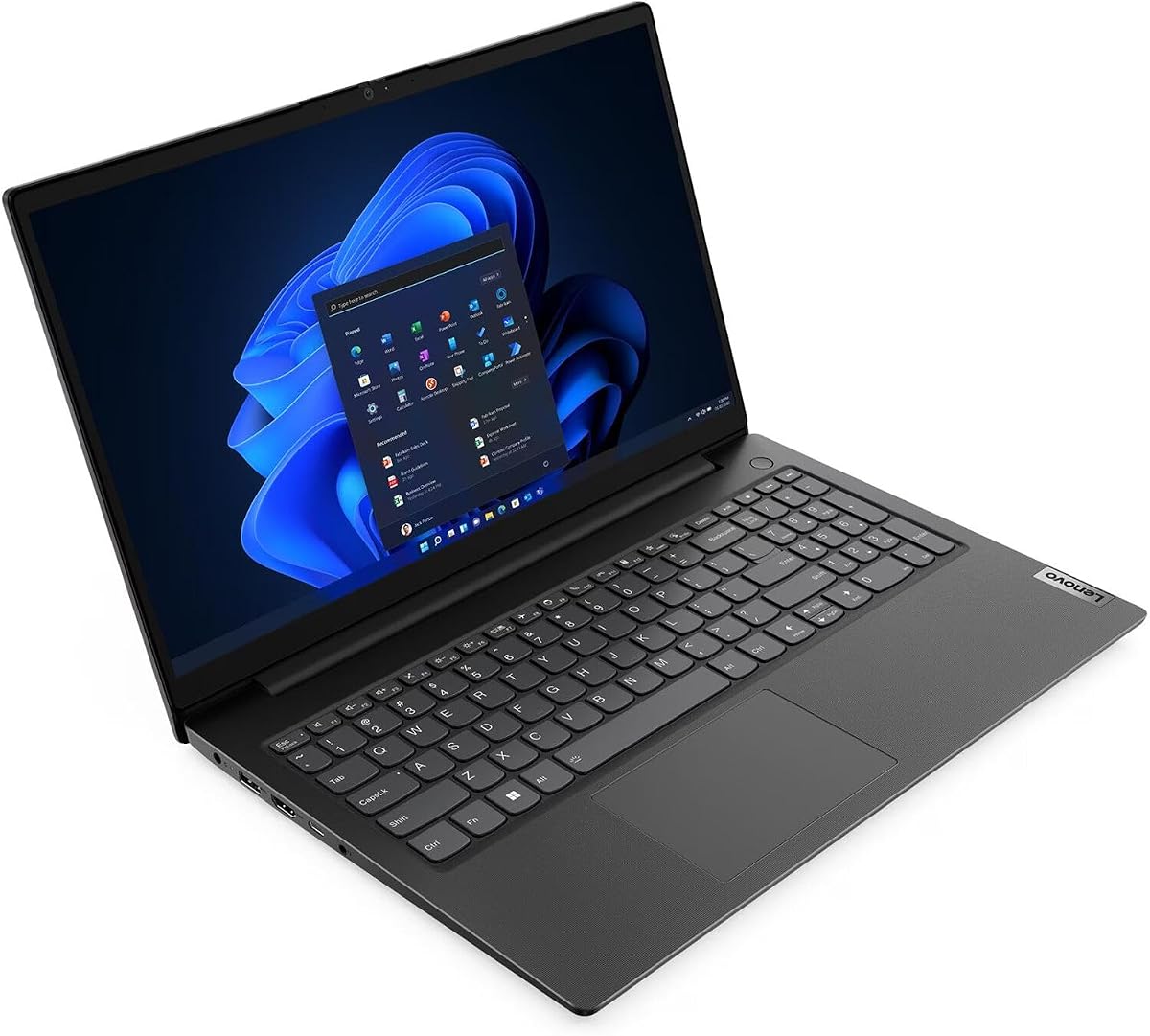
This Lenovo Business Laptop stands out as a highly affordable option for those seeking a reliable Linux machine. With a solid 4.6 user rating, it delivers essential performance without breaking the bank, making it ideal for students or light office work.
We may earn a commission when you buy through this link, at no additional cost to you.
The inclusion of Linux Mint with Cinnamon provides a familiar desktop experience for users transitioning from Windows. The Intel Core i5-1335U processor ensures smooth multitasking, while 16GB of RAM allows you to run multiple browser tabs and applications simultaneously without slowdown.
While the storage is limited to 256GB, the fast SSD ensures quick boot times and responsive file access. The 15.6-inch FHD display offers clear visuals for documents and web browsing, though it lacks the vibrancy needed for professional creative work.
If you need a straightforward, budget-friendly laptop that respects open-source values, this model is a strong contender. Its fast charging capability and full-sized keyboard make it practical for daily use in various environments.
Fast charging support ensures you can quickly top up battery life during busy workdays, reducing downtime significantly.
Linux Mint offers a polished interface that feels intuitive to new users while providing deep customization for experts.
We may earn a commission when you buy through this link, at no additional cost to you.
The IdeaPad Slim 3 offers a versatile experience with its touchscreen interface and robust internal specifications. Pre-installed with Ubuntu, it caters to developers who need a secure and flexible environment for coding and daily productivity tasks.
We may earn a commission when you buy through this link, at no additional cost to you.
Its AMD Ryzen 7 5825U processor provides eight cores for efficient multitasking. The generous 1TB SSD ensures ample space for large files, virtual machines, or media libraries without needing external drives immediately.
Despite its durability and performance, the device is slightly heavier than premium ultrabooks. The included stylus and portable SSD add value but contribute to the overall weight when traveling frequently.
This laptop is well-suited for users who prioritize screen interaction and storage capacity over extreme portability. It balances performance and utility effectively for home office or remote work scenarios.
The touchscreen allows for intuitive navigation through file managers and web applications, improving workflow efficiency.
A massive 1TB SSD means you can store projects locally without constant reliance on cloud services or external backups.
We may earn a commission when you buy through this link, at no additional cost to you.
This variant of the IdeaPad Slim 3 focuses on delivering a reliable Linux experience with powerful hardware. It runs Ubuntu out of the box, providing a clean environment for users who appreciate open-source security and stability.
We may earn a commission when you buy through this link, at no additional cost to you.
The AMD Ryzen 7 5825U processor handles complex tasks with ease, supported by integrated Radeon graphics for casual media consumption. Its military-grade build ensures it can withstand the rigors of daily commuting and travel.
While the touchscreen is a nice addition for navigation, the screen brightness might be challenging in direct sunlight. Additionally, the lack of verified ratings makes it harder to gauge long-term satisfaction compared to other models.
For users seeking a balance of durability and modern processing power in a Linux ecosystem, this model remains a competitive option. It offers the essentials needed for productive workflows without unnecessary bloat.
Ubuntu provides regular security updates and a strong community support network for protecting your data.
Multiple ports including USB-C and HDMI allow easy connection to external monitors and peripherals.
We may earn a commission when you buy through this link, at no additional cost to you.
The Panasonic Toughbook is designed for extreme environments where standard laptops would fail. With military-grade certification and IP65 rating, it resists dust, water, and drops effectively. Ubuntu comes pre-installed for developers and field engineers.
We may earn a commission when you buy through this link, at no additional cost to you.
Its 1200-nit display ensures visibility in bright sunlight, a critical feature for outdoor work. The included 4G LTE connectivity allows you to stay connected even in remote areas without relying on public Wi-Fi networks.
However, the older Intel Core i5 processor and 8GB of RAM may struggle with heavy modern workloads. The device is also quite heavy, making it less suitable for casual travel or general home use.
If you work in construction, automotive diagnostics, or field research, this rugged machine is invaluable. It offers specialized ports like the serial connection that are essential for industrial machinery interfacing.
Built to survive drops and water exposure, it guarantees operation in the harshest field conditions.
Integrated LTE broadband ensures you stay online wherever you work without needing a hotspot.
We may earn a commission when you buy through this link, at no additional cost to you.
This ThinkPad L14 brings modern performance to Linux users with its Ryzen 5 PRO processor and DDR5 RAM. The vanilla Linux system provides a clean slate for customization, while the WUXGA display offers more vertical space for productivity.
We may earn a commission when you buy through this link, at no additional cost to you.
The 16:10 aspect ratio is excellent for reading documents and coding. Security features like fingerprint recognition ensure your data remains protected. The hardware is optimized for reliability and professional environments.
The main drawback is the French keyboard layout, which requires English stickers for US users. This might be an inconvenience for some buyers who prefer a native English layout out of the box.
For businesses deploying Linux workstations, this device offers robust performance and security. It is a strong choice for developers needing a reliable machine with modern processing capabilities.
The taller screen real estate allows more code or text to be visible without constant scrolling.
Integrated fingerprint readers and TPM chips help maintain high security standards for corporate data.
We may earn a commission when you buy through this link, at no additional cost to you.
With a perfect 5.0 rating, this Thinkbook 13s represents exceptional quality in the Linux laptop market. It features a sleek aluminum body and a backlit keyboard that users love for long typing sessions. Linux Mint ensures a smooth setup.
We may earn a commission when you buy through this link, at no additional cost to you.
The Intel Core i7-8565U processor handles daily workloads efficiently. Combined with 16GB RAM and a fast NVMe SSD, system responsiveness is high. The display offers sharp visuals suitable for office tasks and web browsing.
While the storage is modest at 256GB, the drive speed compensates for boot times and application launches. The only real limitation is the age of the processor, which might be slower for modern heavy compilation tasks.
This laptop is highly recommended for users seeking a polished, reliable business machine. Its build quality and user satisfaction scores make it a standout choice for everyday productivity.
The full aluminum chassis feels sturdy and durable, protecting internal components from minor impacts.
The 6-row backlit keyboard provides tactile feedback and illumination for working in dim environments.
We may earn a commission when you buy through this link, at no additional cost to you.
This model focuses on memory and storage capacity over speed. The 20GB RAM is unusual and helpful for heavy multitasking. It runs Linux Mint, providing a stable environment for business users who need plenty of workspace.
We may earn a commission when you buy through this link, at no additional cost to you.
The 1TB hard disk drive offers massive storage but operates slower than modern SSDs. This impacts boot times and application loading speeds. The HD display is functional but lacks the crispness of FHD panels found elsewhere.
While the fast charging feature is convenient, the overall performance is held back by the older mechanical drive. Users who need bulk storage for archives might appreciate the size despite the speed trade-off.
If your workflow relies heavily on running many applications simultaneously, the RAM here is a significant benefit. However, consider upgrading to an SSD for a smoother experience in the future.
20GB of RAM allows you to keep many virtual machines or browser tabs open without performance drops.
The 1TB drive ensures you never run out of space for large datasets or media files immediately.
We may earn a commission when you buy through this link, at no additional cost to you.
This Thinkbook variant delivers exceptional capacity with 32GB of RAM and a 1TB SSD. It supports complex Linux environments where running multiple containers or virtual machines is standard. The aluminum body ensures durability and style.
We may earn a commission when you buy through this link, at no additional cost to you.
The HDR support on the display adds contrast for media viewing, though it is not a main focus for business users. Security features like fingerprint readers enhance data protection. Linux Mint offers a clean setup experience.
The processor is from an older generation, so it may not match the raw speed of newer chips. However, the generous RAM compensates for this in multitasking scenarios. It is a powerhouse for its class.
If you need a portable workstation with significant storage and memory resources, this model is ideal. It bridges the gap between business utility and performance requirements effectively.
With 32GB of RAM, you can run development environments, browsers, and servers simultaneously without lag.
The 1TB PCIe SSD ensures your data is fast to access and reliable for long-term use.
We may earn a commission when you buy through this link, at no additional cost to you.
This model provides a reliable balance of capacity and performance. The 1TB SSD allows for storing many projects locally while maintaining fast load times. Linux Mint ensures a secure and customizable operating system experience.
We may earn a commission when you buy through this link, at no additional cost to you.
The 16GB RAM is sufficient for most development and office workflows. The 13.3-inch FHD IPS display offers good viewing angles and color accuracy. It fits easily into a backpack for daily commuting.
While the processor is capable, it might show its age with heavy modern software tasks. The build quality is premium, but battery life could be better compared to newer models. Still, it remains a solid workhorse.
If you want a compact laptop with ample storage and a good screen, this Thinkbook is a practical choice. It offers the essentials for professional use without unnecessary complexity.
A 1TB SSD provides ample space for storing large files and ensuring quick application launches.
The processor and RAM combo supports smooth operation for typical business and coding tasks.
We may earn a commission when you buy through this link, at no additional cost to you.
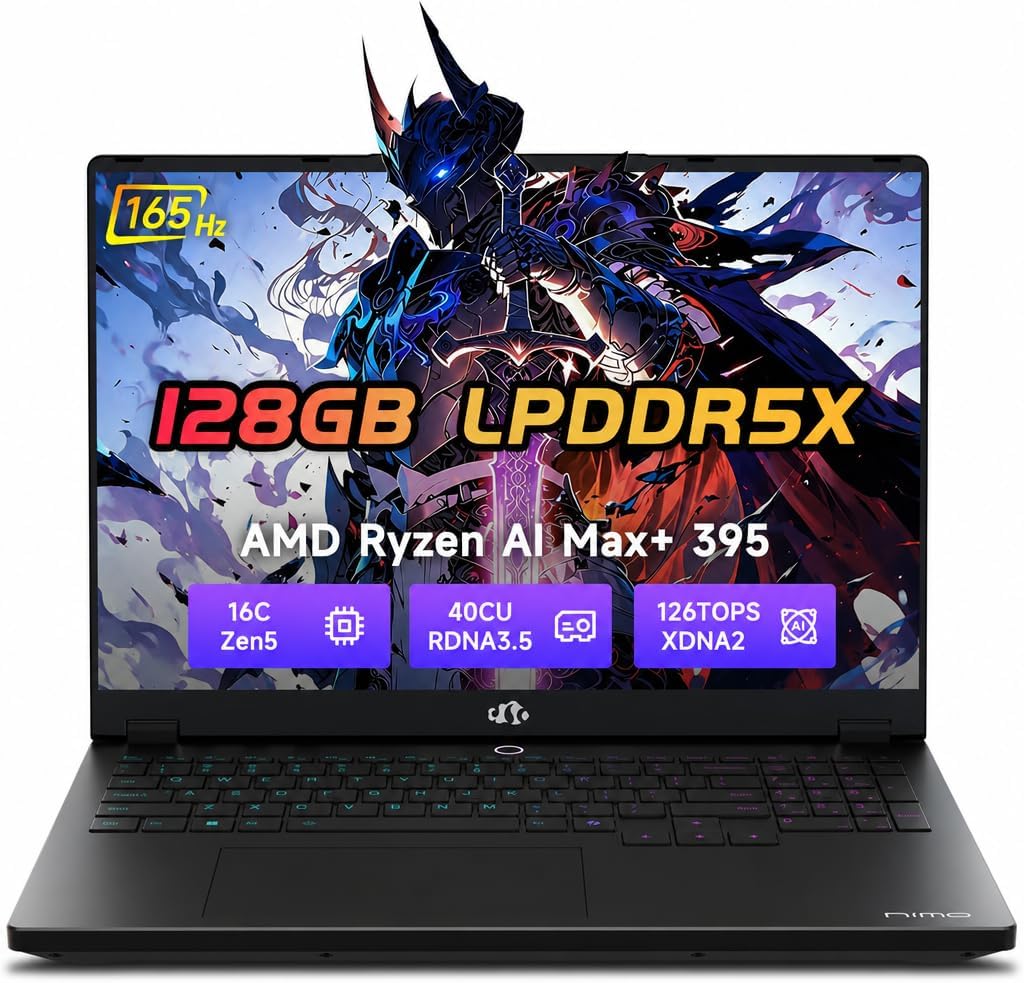
This NIMO laptop represents the pinnacle of Linux performance with its 128GB RAM and 4TB SSD. It is designed for heavy AI workloads, local model training, and complex simulations. The high-resolution display delivers stunning visuals for creative work.
We may earn a commission when you buy through this link, at no additional cost to you.
The AMD Ryzen Max+ processor provides incredible speed for multi-threaded tasks. It handles local large language models efficiently. Privacy-focused users can run local AI without cloud dependencies. This machine is a private AI lab.
The cost is very high, and the device is physically larger and heavier than typical laptops. Battery life is optimized for travel but the adapter is powerful. It is not for casual users but power professionals.
If you need a portable machine that rivals a desktop workstation, this is the ultimate choice. It supports professional-grade workflows with unmatched power and storage capacity for modern demands.
The massive RAM allows you to run and fine-tune large language models locally without privacy concerns.
The 2.5K display offers high color accuracy and resolution perfect for video grading or detailed design work.
We may earn a commission when you buy through this link, at no additional cost to you.
Selecting the right Linux laptop requires balancing hardware specs, software compatibility, and build quality to match your specific needs.
The CPU determines how fast your system runs and how many tasks it can handle. For general office work, a mid-range processor like the Intel i5 or AMD Ryzen 5 is sufficient. For developers and data scientists, an i7 or Ryzen 7 with more cores ensures smooth compilation and processing.
RAM is critical for multitasking. Aim for at least 16GB if you plan to run virtual machines or heavy IDEs. For storage, prioritize SSDs over mechanical drives. A 512GB SSD offers a good balance, while 1TB is better for large projects and media files.
Most Linux laptops ship with Ubuntu or Mint. Ubuntu is standard and widely supported by enterprise software. Mint offers a Windows-like interface that eases transition. Check if the OS is locked or if you have the freedom to install a different distribution later.
Aluminum bodies provide durability and better heat dissipation than plastic. If you travel often, look for a 13-inch model under 3 pounds. For stationary use, 15 or 16-inch screens offer more workspace. Rugged models are essential for fieldwork.
Ensure the laptop has enough ports for your peripherals. USB-C is becoming standard, but having USB-A and HDMI is still useful. Business laptops often include Ethernet or SD card readers. For docking stations, verify if the USB-C port supports video output.
A high-resolution screen reduces eye strain during long coding sessions. Look for IPS panels with good color accuracy. For outdoor work, high brightness (nits) is necessary. Touchscreens add convenience for navigation but increase power consumption.
Modern Linux machines can offer excellent battery life due to efficient power management. Aim for 8+ hours for workday coverage. Consider if the laptop supports fast charging. For frequent travelers, a battery that supports air travel regulations is vital.
Linux is secure by default, but hardware features add protection. Look for fingerprint readers, IR cameras, or hardware encryption chips like TPM. A webcam privacy shutter is a simple but effective feature. Secure boot options help prevent unauthorized system access.
To maximize performance, keep your Linux distribution updated regularly. Run system updates to ensure security patches are applied. Configure your firewall and use strong passwords to protect your data.
Linux is often preferred by developers because of its flexible command line, open-source tools, and native environment for many technologies. It allows for better control over system resources. However, the best choice depends on your specific language and ecosystem needs.
Modern Linux laptops can handle gaming effectively, especially with open-source drivers and tools like Steam Proton. Titles run smoothly on AMD GPUs. However, some anti-cheat enabled online games may still be exclusive to Windows.
Yes, you can usually install Windows on these devices. It may require disabling Secure Boot or adjusting BIOS settings. Dual-booting is also possible so you can choose your OS at startup. Always back up your data before making changes.
A pre-installed Linux laptop ensures better hardware compatibility out of the box. It saves you the trouble of finding drivers and configuring partitions. You get a secure and optimized environment immediately without needing technical setup steps.
High-quality Linux laptops can last several years if well-maintained. Hardware like screens and keyboards often fail before software becomes obsolete. The open-source nature means these devices can run older distributions, extending their useful life significantly.
Yes, Linux is excellent for general office tasks like web browsing and writing. Document compatibility is high with modern office suites. Collaboration tools and video conferencing apps are widely available. It is a reliable and secure choice for business workflows.
Ubuntu is the most common and supported distribution. Linux Mint offers a familiar desktop experience for newcomers. Fedora provides cutting-edge features and stability. The best choice depends on your preference for new features versus long-term support.
Yes, Linux laptops generally offer better privacy than proprietary systems. They allow you to control what data is sent to the cloud. You can install security-focused distributions to enhance anonymity. Privacy is a core principle of the open-source community.
We have reviewed ten distinct models ranging from budget-friendly business units to high-performance AI workstations. The Lenovo Thinkbook 13s offers the best balance of quality and price for most users. For those needing extreme power, the NIMO 16 Inch laptop is unmatched.