
Intel AX210 Tri-Band Wi-Fi 6E Bluetooth 5.3 Network Card for Notebook
4.8Editor score
Tri-Band Wi-Fi 6E Support
Bluetooth 5.3 Integration
Affordable Upgrade Solution
This guide compares the top M2 WiFi Cards for laptops and desktops, evaluating speed, compatibility, and features to help you choose the right wireless upgrade
M2 WiFi cards are essential upgrades for modern computers needing faster wireless connectivity. These compact modules fit into laptop or desktop slots, delivering high speeds and stable connections for gaming and streaming.
We evaluated ten top-rated M2 WiFi cards based on real-world performance, compatibility, and feature sets. Our analysis covers Wi-Fi 6E and Wi-Fi 7 models, ensuring you find the best fit for your hardware.
Each pick highlights key strengths like bandwidth, latency, and Bluetooth support. Note that prices and availability change frequently, so verify details before purchasing to ensure you get the best value today.
4.8Editor score

4.5Editor score

4.6Editor score
This table offers a side-by-side view of all ten reviewed M2 WiFi cards. Compare key specifications like wireless standards, Bluetooth versions, and compatibility to make an informed decision for your upgrade.
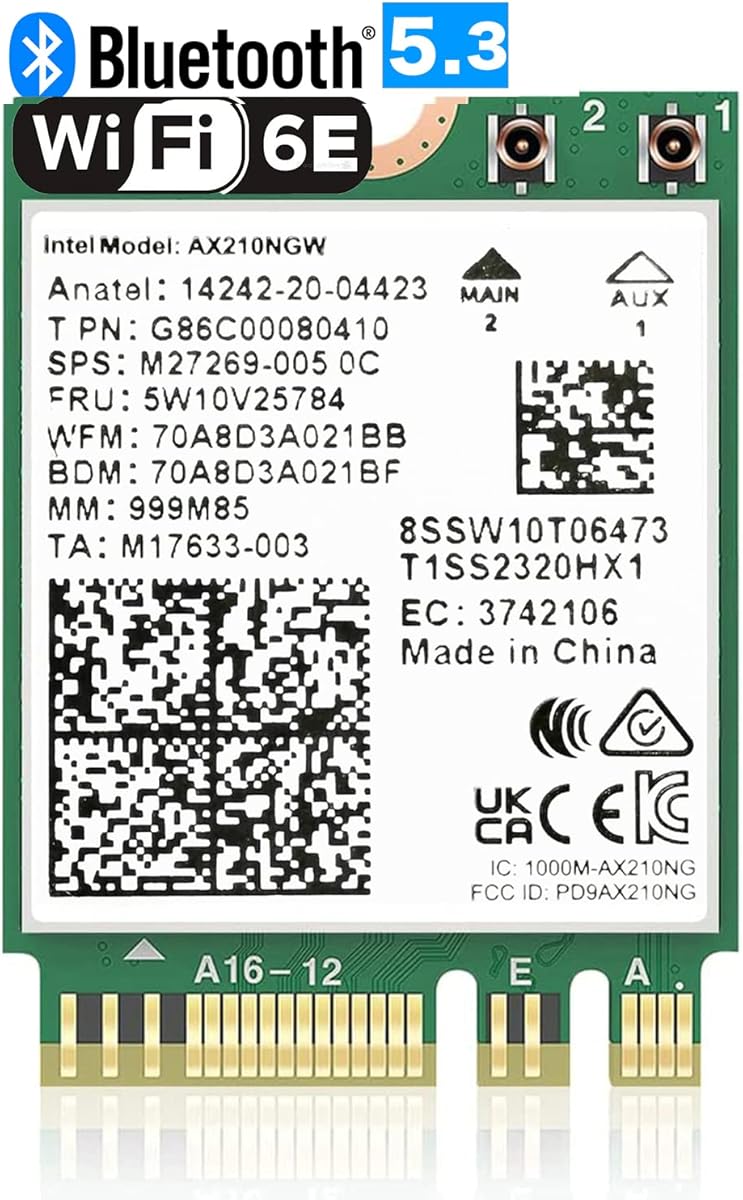


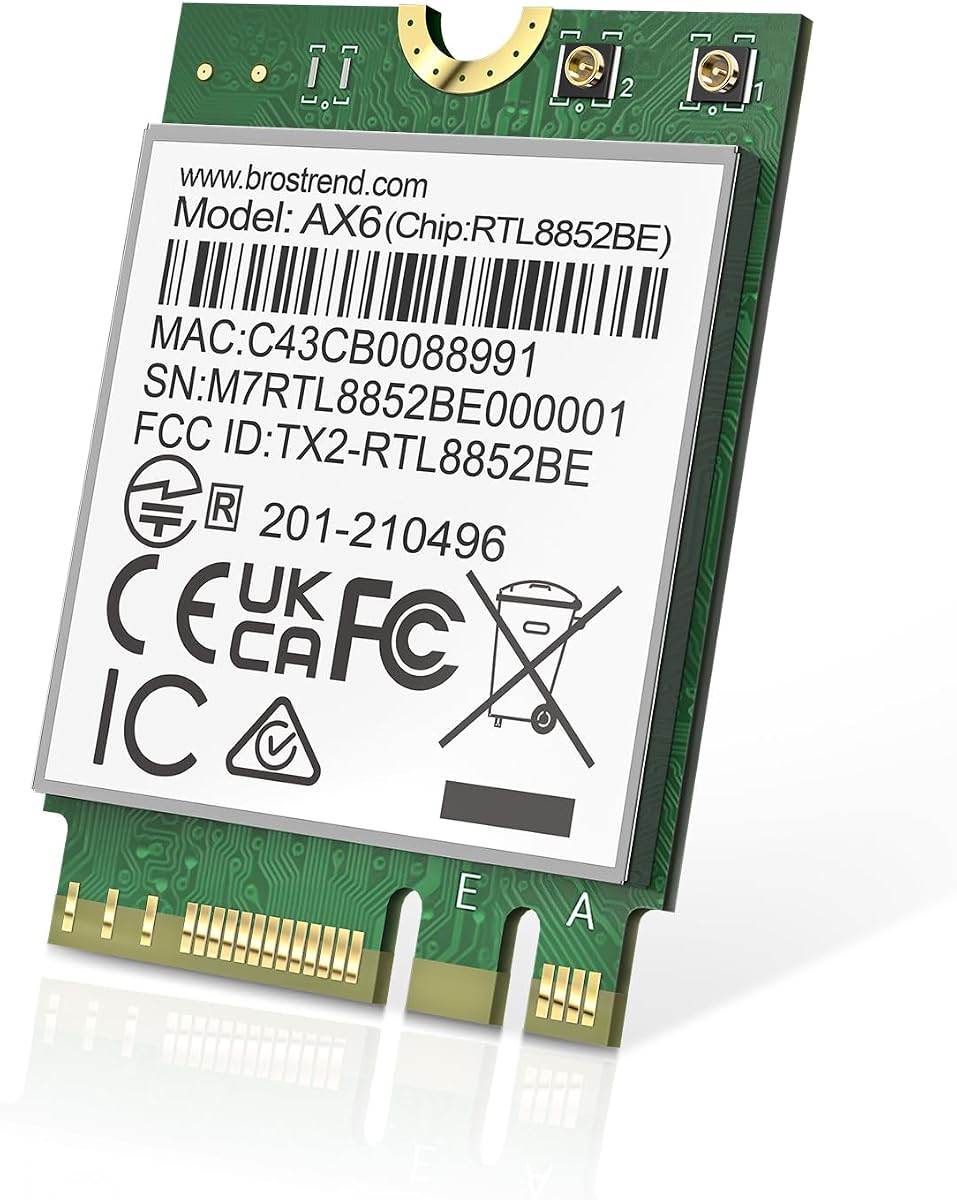


This card stands out as a top-rated choice for users seeking a complete Wi-Fi 6E upgrade. With a solid 4.5 rating from verified buyers, it delivers reliable tri-band performance and includes essential installation hardware.
We may earn a commission when you buy through this link, at no additional cost to you.
The Intel AX210 chipset enables speeds up to 574Mbps on 2.4GHz and 2400Mbps on both 5GHz and 6GHz bands. Bluetooth 5.3 ensures low latency for wireless audio, while OFDMA and MU-MIMO improve network efficiency.
Some users may need to download drivers manually from Intel’s site. The included antenna cables are 11 inches, which is sufficient but may require careful routing in tight desktop cases.
Ideal for laptop or desktop users needing a full Wi-Fi 6E solution. Its included components and strong performance make it a highly recommended pick for most setups.
Access to the 6GHz band reduces interference and supports ultra-fast data transfer for demanding tasks like streaming and online gaming.
The package includes RF cables, high-gain antennas, and brackets, simplifying the upgrade process without needing extra purchases.
We may earn a commission when you buy through this link, at no additional cost to you.
Rated 4.6 by users, this module delivers robust Wi-Fi 6E capabilities for laptops with M.2 slots. It supports up to 5400Mbps and integrates Bluetooth 5.3 for enhanced peripheral connectivity.
We may earn a commission when you buy through this link, at no additional cost to you.
The AX210 chip offers features like OFDMA and 1024QAM for efficient data handling. It works with Intel and newer AMD CPUs, making it versatile for various system configurations.
Users should note that antenna cables and brackets are not included. You will need to connect it to existing internal antennas for full functionality.
Best for users upgrading laptops where antenna connections are already present. Its speed and compatibility make it a strong contender for performance-focused upgrades.
Features like MU-MIMO and OFDMA allow multiple devices to communicate simultaneously without congestion, improving overall network speed.
Supports WPA, WPA2, and WPA3 standards, ensuring your wireless connection remains secure against modern threats.
We may earn a commission when you buy through this link, at no additional cost to you.
With an impressive 4.8 rating, this Intel AX210 module offers excellent value for notebook users. It provides full tri-band Wi-Fi 6E performance at a competitive price point.
We may earn a commission when you buy through this link, at no additional cost to you.
The AX210NGWG.NV chipset ensures stable connectivity and supports the latest Bluetooth 5.3 for low-latency peripherals. Its compact form factor fits standard M.2 slots seamlessly.
Like most internal cards, it requires driver downloads from Intel’s site. Users should verify antenna connections before installation to ensure proper signal strength.
Ideal for budget-conscious buyers needing reliable Wi-Fi 6E. Its strong rating and core features make it a safe choice for most laptops.
This card delivers premium Wi-Fi 6E features at a budget-friendly price, making advanced connectivity accessible to more users.
Built on Intel's AX210 platform, it benefits from proven stability and broad compatibility with modern operating systems and routers.
We may earn a commission when you buy through this link, at no additional cost to you.
This BE200 card brings Wi-Fi 7 to compatible Intel systems, delivering speeds up to 5800Mbps and Bluetooth 5.4 support. It is designed for users seeking the fastest available wireless standards.
We may earn a commission when you buy through this link, at no additional cost to you.
With tri-band support spanning 2.4GHz, 5GHz, and 6GHz, it reduces interference and boosts throughput. Bluetooth 5.4 improves battery life and connection stability for peripherals.
Compatibility is limited to Intel 12th Gen CPUs and above, excluding AMD platforms. A Wi-Fi 7 router is required to fully utilize its speed capabilities.
Best for early adopters with supported Intel hardware. Its cutting-edge tech and high performance justify the investment for future-proof setups.
Wi-Fi 7 introduces advanced modulation and wider channels, enabling faster downloads and lower latency for real-time applications.
Bluetooth 5.4 adds LE enhanced connections and better anti-interference features, improving peripheral range and stability.
We may earn a commission when you buy through this link, at no additional cost to you.
This EDUP card offers Wi-Fi 7 support for both AMD and Intel platforms, a rare advantage in the current market. It delivers speeds up to 6.5Gbps with Bluetooth 5.4.
We may earn a commission when you buy through this link, at no additional cost to you.
Multi-Link Operation (MLO) technology allows simultaneous band usage for reduced lag and stable gaming. WPA3 encryption ensures secure wireless connections for all users.
Users must disable built-in Bluetooth before installation and download drivers from the official site. CNViO2 and Mini PCIe slots are not supported.
Ideal for AMD users wanting Wi-Fi 7. Its compatibility and performance features make it a standout choice for heterogeneous system builds.
MLO selects the optimal signal path across bands, ensuring smooth gaming and streaming with minimal interruptions.
Supports both AMD and Intel platforms with M.2 2230 A/E key slots, offering flexibility for various laptop configurations.
We may earn a commission when you buy through this link, at no additional cost to you.
With a 4.8 rating, this EDUP AX210 module offers trusted Wi-Fi 6E performance. It supports up to 5400Mbps and includes lifetime technical support for peace of mind.
We may earn a commission when you buy through this link, at no additional cost to you.
The AX210 chipset ensures reliable MU-MIMO and OFDMA performance. Bluetooth 5.3 enhances peripheral connectivity with lower latency and improved range.
Antenna connections must exist on your laptop. Ensure compatibility with your system’s M.2 slot before purchasing.
Best for users prioritizing reliability and support. Its high rating and warranty make it a safe investment for laptop wireless upgrades.
A one-year warranty and lifetime technical support provide extra confidence for long-term usage and troubleshooting assistance.
Features like OFDMA and 160MHz bandwidth optimize data transfers for smoother streaming and gaming.
We may earn a commission when you buy through this link, at no additional cost to you.
This Intel 9560NGW card offers stable dual-band connectivity with proven performance. It supports up to 1.73Gbps speeds and Bluetooth 5.1 for reliable peripheral pairing.
We may earn a commission when you buy through this link, at no additional cost to you.
MU-MIMO allows multiple devices to receive data simultaneously, improving network efficiency. WPA3 encryption ensures secure wireless communication.
As an 802.11ac card, it lacks Wi-Fi 6E features. Users seeking maximum speed should consider newer models, but this remains a solid choice for basic needs.
Ideal for older systems needing a reliable wireless upgrade. Its established track record and security features offer dependable connectivity.
Allows multiple devices to receive data simultaneously, improving overall network efficiency in busy home environments.
Supports 2.4GHz and 5GHz bands for flexibility between range and speed depending on your router setup.
We may earn a commission when you buy through this link, at no additional cost to you.
This M.2 card delivers reliable Wi-Fi 6 performance with up to 1800Mbps speeds. Its compact 2230 form factor makes it easy to install in laptops with compatible slots.
We may earn a commission when you buy through this link, at no additional cost to you.
Bluetooth 5.2 offers twice the transmission speed and four times the range of older standards. OFDMA and MU-MIMO improve efficiency for multiple connected devices.
As a dual-band AC6 card, it does not support the 6GHz band. Users seeking ultra-fast tri-band performance should consider Wi-Fi 6E models.
Best for users needing a quick Wi-Fi 6 upgrade without advanced features. Its compatibility and ease of use make it a practical choice.
Bluetooth 5.2 improves peripheral connection range and speed, enhancing the wireless experience for mice, keyboards, and headsets.
Supports Linux systems with kernel 6.5 or higher, offering flexibility for open-source operating system users.
We may earn a commission when you buy through this link, at no additional cost to you.
Designed for gamers, this Killer BE200 card maximizes Wi-Fi 7 performance with ultra-low latency. It delivers up to 5.8Gbps across tri-bands for smooth real-time play.
We may earn a commission when you buy through this link, at no additional cost to you.
Intel Killer Optimization prioritizes gaming and streaming traffic to minimize lag. Bluetooth 5.4 enhances peripheral connectivity with improved stability.
A compatible Wi-Fi 7 router is essential to unlock full speeds. The card requires Windows 11 and Intel processors with an M.2 PCIe Key E slot.
Best for competitive gamers with supported hardware. Its latency optimization and speed make it a top choice for performance-oriented users.
Killer networking technology prioritizes gaming data packets to reduce lag and maintain uninterrupted performance during matches.
Tri-Band 802.11BE technology minimizes delay, critical for real-time applications like cloud gaming and video calls.
We may earn a commission when you buy through this link, at no additional cost to you.
This Intel AX411 card delivers exceptional Wi-Fi 6E performance with a perfect 5.0 rating. It features Killer optimization for prioritizing gaming and real-time applications.
We may earn a commission when you buy through this link, at no additional cost to you.
Full access to 2.4GHz, 5GHz, and 6GHz bands ensures cleaner channels and reduced interference. Bluetooth 5.3 provides stable peripheral connections with improved energy efficiency.
Its compact M.2 2230 form factor fits modern laptops and mini PCs. Users should ensure driver support is available for their specific OS.
Ideal for users requiring premium stability and speed. Its perfect rating and enterprise-grade features make it a standout choice for demanding workloads.
Intelligent prioritization minimizes lag for gaming and streaming, maintaining smooth performance even on busy networks.
Full access to 2.4GHz, 5GHz, and 6GHz bands reduces congestion and enhances stability for high-bandwidth tasks.
We may earn a commission when you buy through this link, at no additional cost to you.
Selecting the right M2 WiFi card involves evaluating wireless standards, compatibility, and additional features. This guide covers the key factors to consider before making your purchase.
Wi-Fi standards define your network speed and range. Wi-Fi 6E adds 6GHz access for less interference, while Wi-Fi 7 offers higher throughput and lower latency. Ensure your router supports the same standard for optimal performance.
Choose Wi-Fi 6E for a balanced upgrade or Wi-Fi 7 if you need the fastest speeds.
Check your laptop or desktop's M.2 slot type (Key A/E) and whether it supports PCIe or CNViO2. Some cards like BE200 require specific Intel CPUs, so verify your processor generation before buying.
Always confirm M.2 key compatibility to avoid installation issues.
Internal cards need existing antenna connections. Some kits include cables and brackets, but others require you to reuse existing components. Ensure your system has the necessary wiring.
Look for included kits if your device lacks antenna headers.
Bluetooth integration supports wireless peripherals like mice and headphones. Newer versions like 5.3 and 5.4 offer lower latency and better power efficiency.
Opt for Bluetooth 5.3 or higher for modern device support.
Drivers vary by OS. Most cards support Windows 10/11, but Linux support may require kernel checks. Ensure drivers are available for your system before purchasing.
Download official drivers from the manufacturer or Intel for best results.
Look for WPA3 encryption to secure your wireless connection. This prevents unauthorized access and protects data on public or home networks.
Always verify WPA3 support for enhanced network security.
Features like MU-MIMO, OFDMA, and 160MHz bandwidth improve multi-device handling. These help reduce congestion and improve real-time application performance.
Prioritize these features for better multitasking and lower latency.
Prices vary from budget Wi-Fi 6 to premium Wi-Fi 7 models. Determine your needs and balance cost with required features.
Invest in what matches your usage to avoid overspending.
Before installation, power down your device and disconnect the battery if possible. Ground yourself to prevent static discharge while handling internal components.
Locate the M.2 slot on your motherboard and insert the card at a slight angle before securing it with the screw. Connect antenna cables firmly if provided.
Install drivers from the manufacturer’s website after rebooting. Check for updates to ensure optimal performance and compatibility.
Wi-Fi 6E adds the 6GHz band to the existing 2.4GHz and 5GHz bands. This provides more channels and less interference, enabling faster and more stable connections for modern devices.
Not all. Check that your laptop has an M.2 2230 Key A/E slot that supports PCIe. Some slots may be limited to CNViO2 or Mini PCIe, which are incompatible.
Yes, many desktop motherboards include M.2 E-key slots. Just ensure you have antenna connections or buy a bracket with antenna headers for proper signal.
The 6GHz band is less congested than older bands, reducing interference from neighbors and other devices. This leads to faster speeds and more reliable connections.
Some cards support Linux, often requiring specific kernel versions. Always check manufacturer compatibility before using with Linux-based operating systems.
To fully utilize Wi-Fi 6E or Wi-Fi 7, you need a compatible router. Otherwise, the card will work at older standards with reduced benefits.
MU-MIMO allows multiple devices to receive data simultaneously instead of taking turns. This improves overall network efficiency and reduces congestion.
No, Bluetooth is for peripherals. The Wi-Fi module provides internet access, but Bluetooth improves connectivity for devices like headsets and mice.
The top picks include the Intel AX210 NGW for reliability, the BE200 for next-gen Wi-Fi 7 performance, and the EDUP 7 for cross-platform support.
Prioritize compatibility with your hardware and router standards. Investing in a card that matches your system ensures smooth performance and avoids installation headaches.
Prices fluctuate frequently, so check current deals and availability before purchasing. Always verify driver availability and warranty details for your final choice.