
10-Port 2.5G PoE++ Switch, Layer 3 Managed Enterprise Network Switch
4.6Editor score
10G Uplink Support
90W PoE++ Delivery
Static Routing Included
This guide compares the top 10 Layer 3 Network Switch models available in October 2026, analyzing their routing features, port speeds, and management tools.
Layer 3 network switches provide advanced routing capabilities that separate traffic efficiently. They enable VLANs and inter-VLAN routing to reduce congestion. These devices are essential for growing businesses needing secure, scalable network infrastructure without external routers.
We evaluated ten top-rated Layer 3 Network Switch models based on user feedback, port configurations, and routing support. Our analysis covers everything from entry-level managed units to high-performance enterprise gear. Each selection offers unique strengths for specific networking demands.
Every pick below highlights real-world performance, reliability, and value for money. You will see detailed pros and cons to help narrow your choice. Keep in mind that product prices and stock levels can change frequently on retailer sites.
4.6Editor score

4.7Editor score

4.7Editor score
This side-by-side comparison helps you visualize the core differences across all ten selected Layer 3 Network Switch models. Check the specs and images to find the best match for your bandwidth and routing needs.

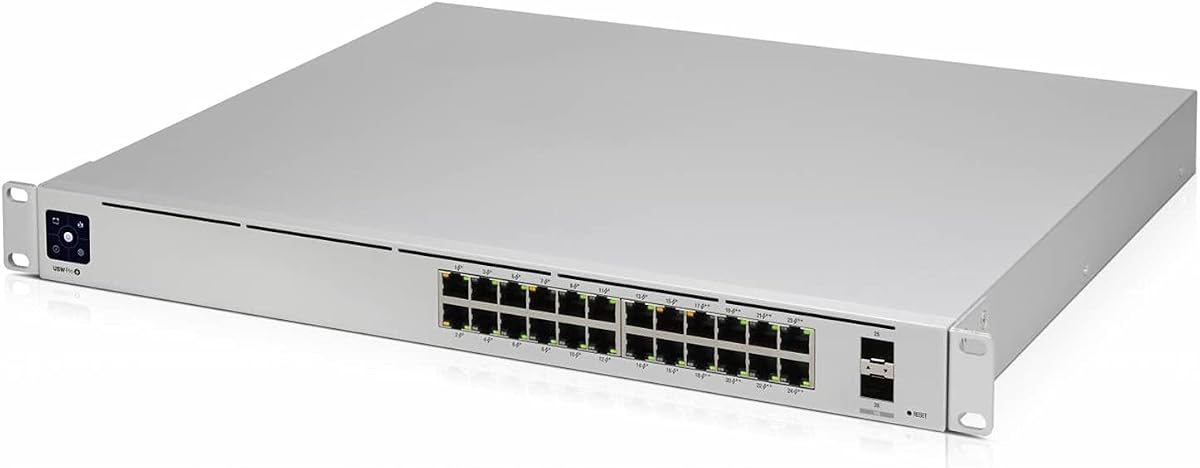



This UniFi switch stands out as a top-tier Layer 3 Network Switch with 24 PoE ports. It delivers reliable performance and deep routing features for scalable networks. Users praise its seamless integration with other Ubiquiti devices for streamlined monitoring.
We may earn a commission when you buy through this link, at no additional cost to you.
The Layer 3 capabilities enable efficient VLAN segmentation and routing without extra hardware. Its built-in power supply ensures stable delivery to connected access points and cameras. The UniFi controller provides a polished interface for traffic shaping and security settings.
While powerful, the reliance on proprietary software means you must run the controller for full functionality. The price is significantly higher than generic managed switches. However, for ecosystems already using UniFi, this convenience outweighs the extra cost.
Buy this if you need a unified, high-performance network hub that supports growth. It suits businesses needing centralized control and PoE reliability without buying separate routers. Its proven track record makes it a safe long-term investment.
Seamlessly integrates with UniFi access points and cameras for unified management.
Built-in routing allows internal traffic management without external router bottlenecks.
We may earn a commission when you buy through this link, at no additional cost to you.
This switch brings 10G performance to the budget segment with adaptive speed options. It handles 10G, 5G, 2.5G, and 1G traffic seamlessly. Layer 3 routing via CLI or web UI adds professional control at a fraction of the cost.
We may earn a commission when you buy through this link, at no additional cost to you.
Auto-adaptive ports ensure you get maximum throughput even if devices vary in speed. The metal case protects against heat and physical damage effectively. CLI access appeals to technical users who prefer precise, scriptable configurations.
It lacks PoE so you will need separate injectors for powered devices. The fan may be audible in very quiet spaces. These trade-offs are minor given the impressive port count and flexibility for data-heavy tasks.
Choose this for workstations or servers needing high bandwidth without breaking the bank. It is ideal for studios or small offices where 10G connectivity is a priority. Its robust design ensures stability during heavy data transfers.
Ports auto-negotiate between 10G, 5G, 2.5G, and 1G for compatibility.
Full command-line access allows deep customization for advanced network admins.
We may earn a commission when you buy through this link, at no additional cost to you.
The non-PoE version offers the same Layer 3 reliability at a lower price. It provides 24 gigabit ports for connecting computers and printers. Layer 3 routing improves internal traffic flow without needing external gateway devices.
We may earn a commission when you buy through this link, at no additional cost to you.
Its design supports fiber media for efficient uplinks. The built-in power supply ensures accurate voltage delivery. For environments where devices use separate power sources, this model saves money while maintaining professional performance.
Without PoE you must provide power injectors for phones or cameras. This adds cable clutter if not managed well. However, the core switching performance and routing remain solid for standard desktop networks.
Ideal for setups where PoE isn't needed but Layer 3 routing is key. It suits offices with wired PCs and printers. Its integration with UniFi makes management simple and intuitive.
Removing PoE lowers cost for users with separate power solutions.
Supports fiber media for longer distance and interference-free uplinks.
We may earn a commission when you buy through this link, at no additional cost to you.
This unit blends 2.5G ports with high-power PoE++ for versatile setups. It delivers up to 90W per port for heavy devices like Wi-Fi 7 APs. The 10G uplinks ensure no bottlenecks for your NAS or servers.
We may earn a commission when you buy through this link, at no additional cost to you.
Static routing and OSPF support provide robust internal traffic management. A physical console port gives IT pros precise control over VLANs and security. The 275W budget keeps all devices powered without needing extra injectors.
The active fan can produce noise in silent home offices. The interface is feature-rich but may overwhelm casual users. Still, the performance-to-cost ratio is excellent for small businesses needing enterprise features.
Perfect for studios or offices with power-hungry access points. It supports future-proof speeds and offers detailed network control. If you need PoE++ and routing, this switch is a top contender.
Delivers up to 90W for demanding devices like cameras or high-speed APs.
Physical console port enables direct CLI management for network admins.
We may earn a commission when you buy through this link, at no additional cost to you.
MikroTik offers deep functionality with RouterOS on a compact 1U chassis. It provides eight 10G ports and four SFP+ slots for high density. Users get extensive routing tools including OSPF and BGP support.
We may earn a commission when you buy through this link, at no additional cost to you.
The hardware supports advanced firewall rules and traffic shaping. It is built for environments needing granular control and performance. The white finish fits professional racks well with standard mounting.
Learning RouterOS takes time compared to simpler UIs. Documentation is often terse, making setup harder for beginners. But once configured, the switch delivers unmatched flexibility and stability.
Ideal for experienced admins wanting total control over network traffic. It suits labs needing dense 10G connections. If you value customization over ease of use, this switch delivers.
Full RouterOS suite allows complex routing and firewall configurations.
Eight 10G ports and four SFP+ slots pack maximum connectivity.
We may earn a commission when you buy through this link, at no additional cost to you.
This model shines for fiber-based networks with 16 SFP+ slots. It supports Layer 3 routing with RouterOS for advanced traffic management. Perfect for aggregating server connections without expensive switches.
We may earn a commission when you buy through this link, at no additional cost to you.
The single gigabit port can serve as an uplink. It consumes low power while maintaining robust throughput. The grey housing fits standard racks for neat installations.
Lack of copper ports means you need transceivers for every link. This adds cost and planning effort. RouterOS complexity may deter users seeking simple plug-and-play setups.
Choose this for data centers needing high fiber density. It is great for backbone links where speed and routing matter. Its flexibility makes it a favorite for pros.
Sixteen SFP+ slots allow massive fiber connectivity for core networks.
Advanced features like VLANs and routing protocols are fully supported.
We may earn a commission when you buy through this link, at no additional cost to you.
The PRO 48 model offers massive connectivity with 48 gigabit ports. It includes four 10G SFP+ ports for high-speed uplinks. The touchscreen display provides quick local status checks without a controller.
We may earn a commission when you buy through this link, at no additional cost to you.
Layer 3 features enable VLAN routing for segmented departments. UniFi integration keeps management consistent across your infrastructure. It is built for larger businesses needing extensive port availability.
User ratings are lower due to complexity or occasional bugs. The cost is high for the port count. However, the ecosystem benefits justify the investment for existing UniFi users.
Best for medium to large offices needing many wired connections. It centralizes network management and supports growth. If you need scale and UniFi features, this switch fits.
48 Gigabit ports support extensive wired connections for offices.
Local display lets you check status and reboot without remote tools.
We may earn a commission when you buy through this link, at no additional cost to you.
This switch excels in quiet spaces with its fanless metal chassis. It offers eight 10G SFP+ ports for high-speed workstations and NAS. Layer 3 routing reduces load on your primary router effectively.
We may earn a commission when you buy through this link, at no additional cost to you.
The design ensures silent operation suitable for bedrooms or studios. DAI and ACLs block spoofing to keep data safe. It is ideal for creative professionals needing fast, quiet transfers.
Ports are fiber-only so you need transceivers. Changing global modes affects all ports simultaneously. These are minor constraints for the noise-free performance it provides.
Buy this for quiet offices needing 10G speeds. It handles heavy workflows without fan noise. If silence and speed are priorities, this switch delivers both.
Fanless cooling ensures zero noise in sensitive environments.
Eight 10G ports enable fast file transfers for creative work.
We may earn a commission when you buy through this link, at no additional cost to you.
The Pro Max 16 mixes 2.5G and 1G ports for flexibility. It integrates with UniFi for centralized management. Layer 3 features help segment traffic efficiently in home or small office setups.
We may earn a commission when you buy through this link, at no additional cost to you.
Its compact design fits desktop or rack environments easily. The mix of speeds accommodates both legacy and newer devices. It supports growth without needing multiple switches.
Without PoE you must power devices separately. Uplinks are limited compared to higher-end models. But for general networking, the balance of speed and management is strong.
Great for users needing modern speeds without PoE complexity. It suits small offices or homes preparing for future upgrades. If you want UniFi management with mixed speeds, this is a smart pick.
Combines 2.5G and 1G for flexible device support.
Full compatibility with UniFi controller for easy monitoring.
We may earn a commission when you buy through this link, at no additional cost to you.
This premium switch combines high-speed ports with advanced lighting indicators. Etherlighting shows port status and VLAN info at a glance. It delivers 180W PoE for robust power distribution to access points and cameras.
We may earn a commission when you buy through this link, at no additional cost to you.
The fanless design ensures silent operation in office environments. It supports Layer 3 routing for efficient network segmentation. Integration with UniFi provides intuitive control over traffic and security.
The price is high compared to standard managed switches. You rely on proprietary software for full functionality. However, the ease of use and aesthetics justify the cost for many.
Choose this for a sleek, professional network hub. It suits businesses needing PoE++ and visual status indicators. If you value design and performance, this switch leads.
Ports light up to show speed, link status, and VLAN info.
Delivers up to 30W or more per port for high-power devices.
We may earn a commission when you buy through this link, at no additional cost to you.
Selecting the right Layer 3 Network Switch depends on your port needs, power requirements, and budget. This guide outlines key factors to ensure you get reliable performance.
Assess how many devices you need to connect and at what speeds. Look for switches with enough 2.5G or 10G ports to avoid bottlenecks for servers and NAS.
Choose a switch with enough ports plus extra for future growth to avoid replacing hardware soon.
Check if the switch supports VLANs, static routing, and protocols like OSPF. These features reduce dependency on external routers and improve network segmentation.
Ensure the routing capabilities match your complexity needs for internal traffic management.
If you connect cameras or access points, verify the PoE budget and standards like PoE++. Make sure the switch can power all devices simultaneously.
Calculate total power needs and pick a switch with enough wattage for stability.
Decide between Web UI and CLI for managing the switch. Web interfaces are user-friendly while CLI offers deep customization for experienced admins.
Pick a management style you are comfortable with for ease of daily use.
Determine if you need desktop or rack-mount options. Consider fan noise levels for quiet environments versus high-performance active cooling.
Ensure the physical design fits your installation space and noise tolerance.
If you use UniFi or MikroTik devices, matching the switch to your ecosystem simplifies management. Mixed environments may require extra effort to integrate.
Align the switch with your existing hardware for streamlined monitoring and control.
Look for built-in security like port security, ACLs, and DoS protection. These protect your network from internal and external threats.
Prioritize switches with strong security protocols if you handle sensitive data.
Check the warranty length and technical support options. Reliable support can save time during setup or troubleshooting.
Choose a vendor offering responsive support for peace of mind.
Begin by connecting your modem and router to the uplink ports of the switch. Link devices to the numbered ports and verify indicator lights show activity. Configure basic settings via the web interface or CLI using default credentials.
Use VLANs to separate guest traffic from internal devices for security. Apply QoS rules to prioritize voice or video traffic. Regularly update firmware to ensure stable performance and patched vulnerabilities.
Keep the switch in a well-ventilated area to prevent overheating. Dust the vents periodically to maintain airflow. Avoid overloading the PoE budget to ensure all powered devices function reliably.
A Layer 3 Network Switch performs routing tasks like a router while handling switching duties. It allows efficient inter-VLAN routing and reduces traffic on your main router. This improves speed and segmentation for growing networks.
No, many Layer 3 switches do not include PoE. You must check the model specs for Power over Ethernet support if you plan to power cameras or access points directly.
Yes, most Layer 3 switches offer remote management via web UI or CLI. Some allow monitoring tools to check status across locations without physical access.
Basic setups are simple but advanced routing can be complex. Look for models with user-friendly interfaces if you lack networking experience. Many offer tutorials for common configurations.
It depends on the port count and switching capacity. Larger models support dozens of devices while still maintaining high throughput for data transfers.
Not always, Layer 3 switches can handle internal routing and DHCP. But you still need a modem or firewall router for internet connectivity and advanced security.
Layer 2 switches forward frames within a LAN while Layer 3 adds routing between subnets. Layer 3 switches enable better segmentation and traffic control for larger networks.
Most Layer 3 switches allow firmware upgrades via their web interface. Always back up settings before updating to restore if issues arise during the process.
You now have a clear view of the top 10 Layer 3 Network Switch models for October 2026. Whether you prioritize budget, silence, or premium features there is a choice for every setup.
Focus on port speeds and PoE needs first to ensure long-term satisfaction. Layer 3 capabilities add value by reducing reliance on external routers for internal traffic.
Prices and availability change often so check current listings before buying. Pick the switch that matches your ecosystem and performance goals for a stable network.