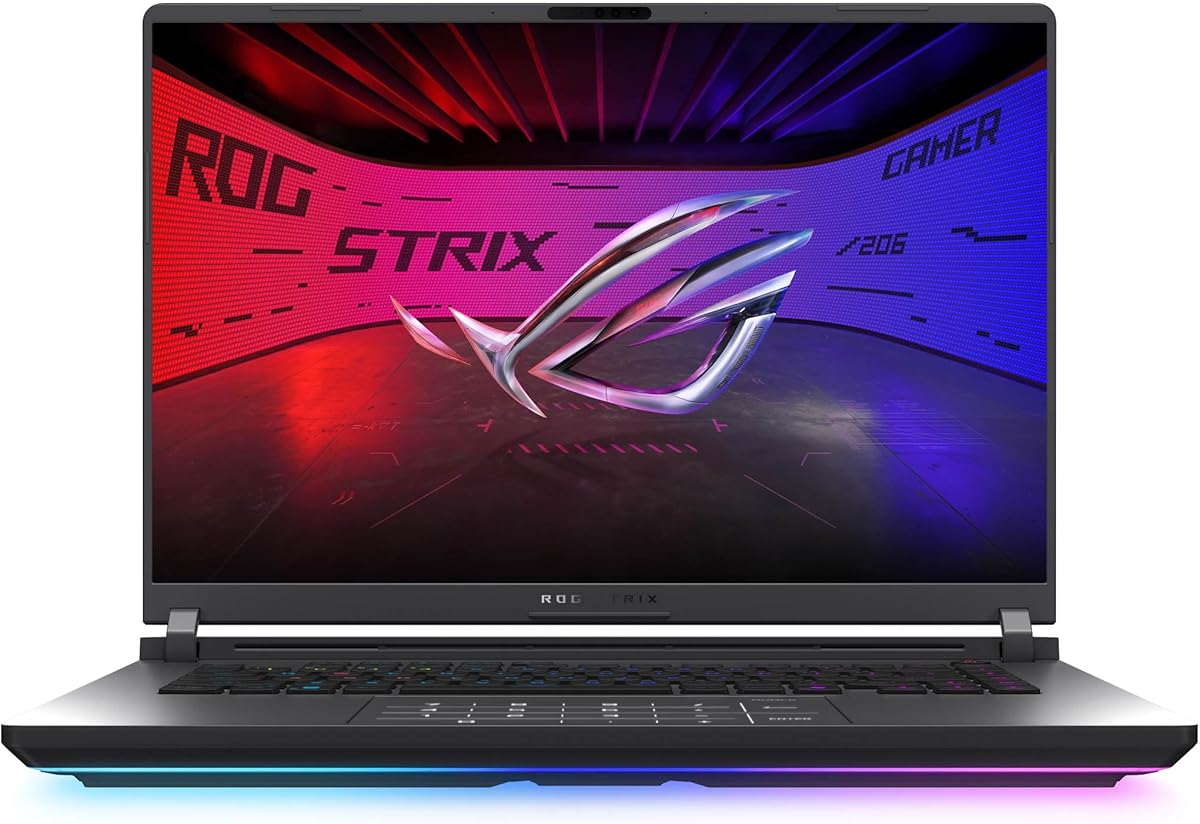
ASUS ROG Strix G16 (2025) High End
4.3Editor score
RTX 5070 Ti GPU
240Hz 2.5K Display
Intel Core Ultra 9
Choosing the right laptop for flight simulators requires balancing raw power with display fidelity. Simulators demand high frame rates and accurate color reproduction to make training effective and enjoyable for pilots and enthusiasts alike.
We evaluated ten top models based on processor speed, graphics capabilities, and thermal management. Our analysis focuses on how each device handles complex physics engines and high-resolution textures during extended simulation sessions.
Each pick highlights specific strengths like screen refresh rates or memory capacity. Note that prices fluctuate frequently, so verify current deals before purchasing to ensure you get the best value for your specific simulation needs.
4.3Editor score

4.4Editor score

4.2Editor score
As an Amazon Associate we earn from qualifying purchases.
The following table provides a side-by-side comparison of all ten products reviewed in this guide. Use this data to quickly identify which specifications align best with your simulation requirements and budget constraints.




The ASUS ROG Strix G16 stands out as a versatile machine for flight simulators with its high refresh rate screen and robust cooling. It received high marks for maintaining steady performance during long simulation runs without thermal throttling issues.
We may earn a commission when you buy through this link, at no additional cost to you.
Its NVIDIA GeForce RTX 5060 GPU delivers smooth visuals for detailed environments and weather systems. The Intel Core i7 processor handles complex physics calculations well ensuring that flight dynamics remain accurate even with many add-ons active.
While the base RAM is 16GB upgrading to 32GB could help with heavier software like modern simulation suites. The cooling system uses liquid metal which keeps temperatures low but fans can be audible under heavy load.
We recommend this laptop for hobbyists who want a balance of price and performance. It is strong enough for daily flight training and casual gaming without breaking the bank on extreme specs.
The 165Hz display ensures fluid motion when maneuvering aircraft reducing blur during rapid turns or high-speed approaches.
Tri-fan technology and liquid metal conduct heat away from the CPU and GPU allowing sustained performance during long sessions.
We may earn a commission when you buy through this link, at no additional cost to you.
This high-end variant of the ROG Strix G16 offers elite performance for serious simulation enthusiasts. It combines a stunning Nebula display with powerful internals to handle demanding graphics settings without compromise.
We may earn a commission when you buy through this link, at no additional cost to you.
The RTX 5070 Ti GPU ensures that even complex atmospheric models and high-resolution textures render smoothly. Combined with 32GB of RAM you can run streaming software and voice comms simultaneously without slowing down the simulation.
The screen is a major draw with 2.5K resolution and 240Hz refresh rate providing crisp details for instrument panels. However the cost is steep and the laptop is heavier than average which affects portability.
Ideal for professionals or enthusiasts who need the best visual fidelity this laptop delivers on every front. It is a worthy investment for those who prioritize image quality and raw speed over budget.
The 240Hz display offers incredibly smooth visuals making rapid aircraft maneuvers feel lifelike and responsive during flight.
Intel Core Ultra 9 architecture handles AI enhanced features and complex physics engines with ease for a seamless experience.
We may earn a commission when you buy through this link, at no additional cost to you.
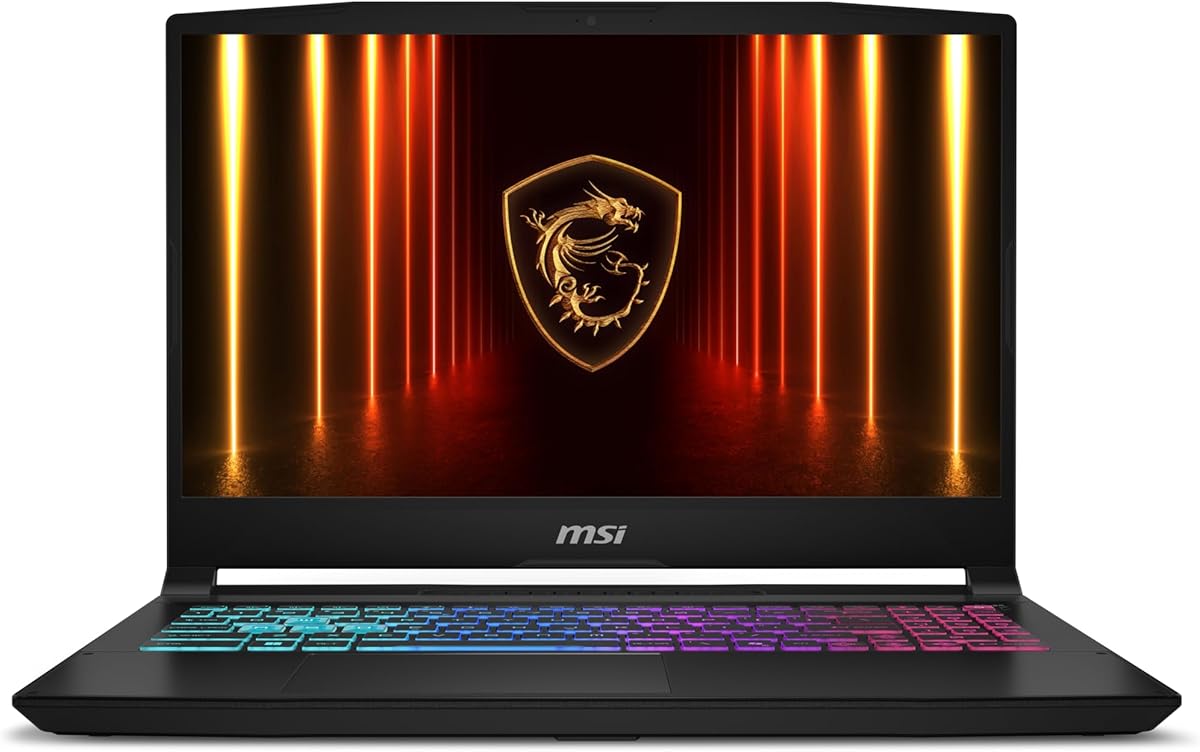
The MSI Katana 15 HX brings top tier hardware at a competitive price point making it a strong contender for flight simulators. It focuses on raw speed and multitasking capabilities for demanding simulation tasks.
We may earn a commission when you buy through this link, at no additional cost to you.
Powered by an Intel Core i9 processor this machine handles complex flight physics and AI traffic without hesitation. The RTX 5070 GPU ensures that rendering detailed environments stays smooth even with high settings enabled.
The QHD+ display offers a great balance between resolution and refresh rate providing sharp visuals for navigation. While build quality is solid users may note some unevenness in keyboard lighting under close inspection.
We suggest this laptop for users who want desktop class performance in a portable format. It is excellent for running multiple applications during flight training sessions without performance drops.
The 24-core architecture supports heavy workloads ensuring that complex calculations for weather and physics remain instantaneous.
QHD+ resolution allows you to see fine details in cockpit gauges and terrain which is vital for realistic training.
We may earn a commission when you buy through this link, at no additional cost to you.
The NIMO 17.3" Gaming Laptop offers a budget friendly entry into flight simulation with a large screen and ample memory. It is designed for users who need a capable machine without a high price tag.
We may earn a commission when you buy through this link, at no additional cost to you.
While it lacks a dedicated high-end GPU the Ryzen processor and 32GB RAM allow for decent performance on lower settings. The large 17.3 inch display makes reading instruments easier compared to smaller screens.
Users should expect to compromise on graphics fidelity compared to premium models. However for simpler training scenarios or older simulation software it remains a reliable and affordable option for students.
We recommend this for beginners or those on a tight budget who prioritize screen real estate and memory over cutting edge graphics power. It serves well as a secondary machine for basic training.
The 17.3 inch screen provides plenty of room to view maps and gauges simultaneously without needing external monitors.
With slots for up to 64GB RAM and 4TB storage you can upgrade components later to keep up with software demands.
We may earn a commission when you buy through this link, at no additional cost to you.
REALFLIGHT Evolution is a specialized software package focused on RC aircraft and helicopters rather than full scale aviation. It includes an Interlink controller to provide an immediate and immersive start for hobbyists.
We may earn a commission when you buy through this link, at no additional cost to you.
The software is designed for accessibility with a clean interface and intuitive controls. It supports VR headsets allowing for a more immersive experience and helps build muscle memory through realistic physics.
While not a replacement for professional flight training it excels at teaching aerodynamics and control inputs. The included hardware removes the barrier to entry for new pilots interested in model aviation.
We suggest this for RC enthusiasts or those wanting to practice basic control before switching to larger platforms. It is a fun and educational tool that bridges the gap between play and serious study.
The Interlink DX controller offers professional level inputs that translate directly to the simulation for realistic handling.
VR support places you inside the cockpit or field for a more engaging practice session than flat screen usage.
We may earn a commission when you buy through this link, at no additional cost to you.
The Logitech G PRO Flight Yoke System is a serious tool for building muscle memory in flight simulators. It offers a professional setup that mimics the physical controls found in commercial aircraft cockpits.
We may earn a commission when you buy through this link, at no additional cost to you.
Constructed with a stainless steel shaft it provides robust and accurate control inputs. The throttle quadrant and multiple buttons allow for detailed management of aircraft functions without using the mouse constantly.
The desk clamps ensure the unit stays secure during active flying sessions but require a strong surface to work properly. While setup is detailed the result is a highly functional and realistic control experience.
Ideal for users who want to step up from basic joysticks this system bridges the gap between hobby and professional simulation. It is a solid choice for dedicated pilots seeking realism.
The stainless steel shaft offers smooth movement that translates precisely to in-game aircraft handling for better training.
With 54 programmable controls you can map most aircraft functions directly to the yoke and throttle for efficiency.
We may earn a commission when you buy through this link, at no additional cost to you.
The Thrustmaster T-Flight Stick X is a compact joystick designed for ease of use and accessibility. It offers essential controls in one device making it perfect for quick sessions or smaller desks.
We may earn a commission when you buy through this link, at no additional cost to you.
Its adjustable resistance and weighted base provide good stability during gameplay. The built-in throttle lever adds convenience so you do not need a separate unit for basic flight simulation tasks.
While the materials feel less premium than higher-end sticks it delivers reliable performance for casual users. The plug and play setup means you can start flying almost immediately after connecting it to your PC.
We recommend this for beginners or those with limited desk space who still want a dedicated control solution. It is an excellent first step into hardware controls without a large investment.
The stick is recognized instantly by your system removing driver hassles and letting you start flying right away.
A heavily weighted base keeps the unit firmly planted preventing slides during intense maneuvers or rapid inputs.
We may earn a commission when you buy through this link, at no additional cost to you.
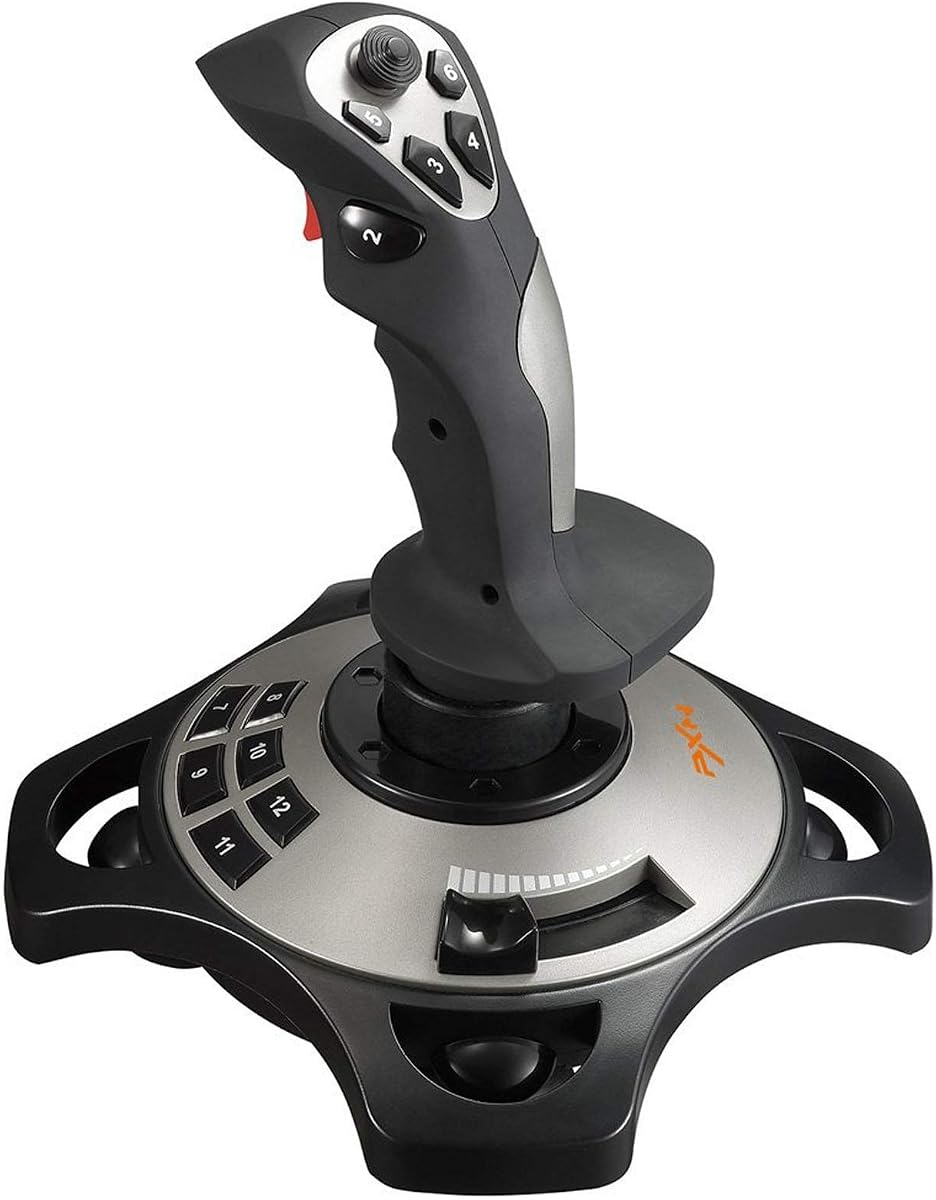
The PXN 2113PRO is an entry-level joystick offering basic functionality for flight simulation at a very low cost. It provides the essential sticks and buttons needed for casual flying experiences.
We may earn a commission when you buy through this link, at no additional cost to you.
It features a vibration switch and multiple buttons for mapping different functions. The ergonomic design helps reduce hand fatigue during shorter flights and the lightweight construction makes it easy to move.
Users should expect a simpler build and fewer advanced features compared to premium brands. The vibration is mild but works well for feedback and the stick remains stable on flat surfaces.
We suggest this for those on a strict budget or students trying out simulators for the first time. It is a functional tool for learning basics without a significant financial commitment.
Vibration alerts can be switched on to give tactile cues during flight events like turbulence or landing.
The handle is shaped to fit comfortably in your hand allowing for steady control during manual maneuvers.
We may earn a commission when you buy through this link, at no additional cost to you.
The Thrustmaster TFRP Rudder Pedals add a crucial layer of realism to flight simulators by allowing foot controlled steering. They are designed for stability and smooth movement during long training sessions.
We may earn a commission when you buy through this link, at no additional cost to you.
Featuring a SMART rail system the pedals move smoothly without friction which helps maintain consistent inputs. The self-centering axis ensures that the pedals return to a neutral position naturally after use.
They are compatible with PC and consoles making them versatile for different setups. While they do occupy floor space their stability prevents unwanted movement during takeoff and landing simulations.
We recommend these for anyone looking to complete their cockpit setup with realistic control. They are a strong investment for pilots who want to practice proper foot control techniques effectively.
Four aluminum rails allow the pedals to slide effortlessly for precise control during coordinated turns.
The ergonomic design keeps your feet comfortable and steady during extended flights improving accuracy and endurance.
We may earn a commission when you buy through this link, at no additional cost to you.
Microsoft Flight Simulator 2004 remains a classic choice for those who prefer a simpler and more accessible simulation experience. It focuses on core flight mechanics rather than demanding ultra high fidelity graphics.
We may earn a commission when you buy through this link, at no additional cost to you.
The dynamic weather and worldwide scenery offer a broad environment for exploration. Interactive air traffic control adds realism by providing communications that mimic real world airport interactions.
While the graphics are dated compared to modern titles it runs smoothly on older hardware. This makes it a great option for older machines or users who want to focus on flying basics.
We suggest this for retro enthusiasts or budget-conscious users with less powerful systems. It offers a proven and enjoyable path to learning aviation without needing expensive new equipment.
The simplified physics make the simulator forgiving for beginners while still teaching fundamental flight principles.
Worldwide scenery allows you to explore real world locations making practice flights feel authentic and engaging.
We may earn a commission when you buy through this link, at no additional cost to you.
Selecting the right device involves understanding the specific demands of simulation software and balancing them with your available budget and space constraints.
The GPU is responsible for rendering detailed environments weather systems and cockpit textures. A dedicated graphics card ensures that these visuals remain smooth during complex maneuvers.
Look for modern RTX series cards to get the best balance of performance and value.
Flight simulators rely heavily on CPU power to calculate flight dynamics and AI traffic. A strong processor prevents stuttering when multiple applications run simultaneously.
Choose Intel Core i7 or i9 or AMD Ryzen equivalent chips for reliable speed.
RAM allows your system to store data temporarily for quick access. Insufficient memory can lead to crashes or lag when loading large worlds.
We recommend a minimum of 16GB but 32GB is preferred for heavy modding.
A high resolution screen helps you read instruments accurately. Refresh rate also matters for smooth visuals during high speed flight.
Prioritize panels with good color accuracy and a 120Hz refresh rate or higher.
Sustained simulation sessions generate significant heat. Efficient cooling systems prevent the computer from slowing down over time.
Check for models with advanced cooling like vapor chambers or liquid metal.
Flight simulators often require connections for external joysticks or headsets. Sufficient ports ensure you can connect all your peripherals.
Verify you have enough USB ports and a stable Ethernet connection for online features.
Laptops offer freedom but performance can vary compared to desktops. Consider where you will use the device most often.
Select a lighter unit if you travel or a heavier one for maximum power at home.
Large simulation files load faster from SSDs compared to traditional hard drives. This reduces wait times before starting a flight.
Ensure you have at least 1TB of SSD storage for your game library.
Start by adjusting your graphics settings to balance quality with performance. Use the control panel to map your joystick or throttle inputs to the correct functions for a smoother experience.
Keep your system cool by ensuring vents are not blocked during use. Regularly clean dust from fans to maintain optimal temperatures and extend the hardware lifespan.
Update your drivers periodically to benefit from performance improvements and bug fixes. This ensures that your simulation software runs as efficiently as possible on your system.
The most important specs are a dedicated GPU for rendering and a strong CPU for physics calculations. High refresh rates help with smooth visuals and ample RAM ensures stable performance.
While you can use a keyboard and mouse a dedicated joystick or yoke provides more realistic control. External controls help you learn proper flying techniques effectively.
Older laptops may struggle with modern high-fidelity simulations but can run lighter versions or classic titles. Lowering settings helps older hardware manage the workload better.
You should aim for at least 16GB of RAM to ensure smooth operation. Many modern packages benefit from 32GB especially if you use add-ons or multiple apps.
Yes a high refresh rate reduces motion blur and makes movement look smoother. This is particularly helpful during fast flight segments or aerobatic maneuvers.
High-end laptops can serve as basic training tools but professional certification often requires specific hardware. Check with your training program for exact requirements before investing.
The ASUS ROG Strix G16 stands out as a top choice for its balance of performance and thermal management. It offers a solid foundation for both casual and serious flight simulation enthusiasts.
Consider your specific needs when deciding on specs. If you prioritize visuals go for a higher-end GPU but if you need reliability focus on cooling and processor speed.
Remember that prices change regularly so check current deals before purchasing to get the best value. Verify specs match your requirements to ensure a satisfying simulation experience.