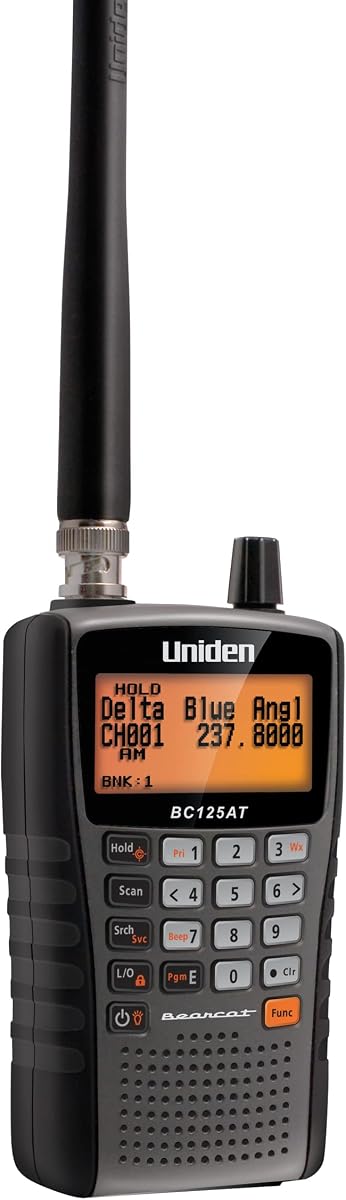
Uniden Bearcat BC125AT
4.0Editor score
500 Alpha-Tagged Channels
Close Call RF Capture
Compact Portable Design
This guide compares the top ten handheld police scanners for 2026, evaluating digital support, range, battery life, and ease of use for serious monitoring.
Handheld police scanners allow you to monitor public safety communications and emergency broadcasts from anywhere. Choosing the right model depends on your location, budget, and whether you need digital trunking support or analog coverage.
We evaluated ten leading handheld scanners based on reception quality, digital decoding capabilities, battery life, and user interface design. Our analysis includes both budget-friendly analog options and advanced digital radio receivers for enthusiasts.
Each pick highlights key features, pros, cons, and ideal use cases to help you find the best device for your needs. Please note that availability and pricing may change over time, so check current listings before purchasing.
4.0Editor score

4.2Editor score

4.2Editor score
The following table provides a side-by-side comparison of the top ten handheld police scanners available in 2026, highlighting their core specifications and unique capabilities.


The Uniden Bearcat BC125AT offers an affordable entry into scanning with its 500 analog channels and intuitive design. It features Close Call technology to find nearby signals quickly and includes alpha tagging for easy organization of your favorite channels.
We may earn a commission when you buy through this link, at no additional cost to you.
Its standout quality is the ease of use for beginners. The preloaded search banks cover popular services like police, fire, marine, and aviation, allowing you to start listening right away without complex setup. The orange backlight ensures readability in low light.
The main limitation is that it does not support digital systems like P25 or DMR, which many agencies now use. However, for rural areas still using analog or for hobbyists interested in aviation or marine bands, this trade-off is acceptable given the price.
This model is ideal for first-time buyers who want to try scanning without a large investment. If you live in a rural area or just want to monitor local emergency services that have not switched to digital, this is a strong recommendation.
This feature tunes to signals from nearby transmitters automatically, helping you locate active frequencies without manual searching.
Assign names to channels so you can quickly identify who you are listening to without remembering frequencies.
We may earn a commission when you buy through this link, at no additional cost to you.
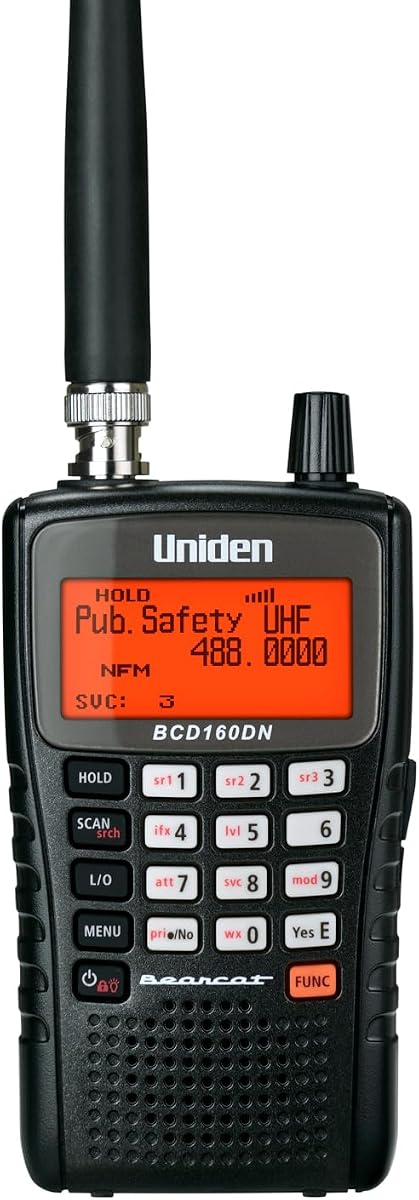
The Uniden BCD160DN focuses on DMR and NXDN digital protocols, making it suitable for areas using these systems. It comes preloaded with support so you can start using it immediately. The Band Scope feature helps visualize signals faster than ever before.
We may earn a commission when you buy through this link, at no additional cost to you.
Its strength lies in the ease of accessing digital channels without a PC. The included rechargeable AA batteries can be charged via USB while they remain in the scanner, offering convenient field operation. Search features allow custom starts for finding elusive signals.
However, it does not support P25 trunking, which limits its use in major urban centers where that standard dominates. The rating suggests mixed user experiences, possibly due to firmware quirks or battery life variability in real-world conditions.
Consider this if you specifically need DMR or NXDN decoding on a budget and do not require trunking. It is a niche device that fills a gap between analog scanners and full-featured digital trunking radios.
Built-in decoding for DMR and NXDN allows monitoring of digital systems that analog scanners miss.
Charge rechargeable AA batteries directly in the unit without removing them, simplifying field use.
We may earn a commission when you buy through this link, at no additional cost to you.
The Uniden SDS100 is a top-tier digital handheld scanner known for its True I/Q receiver, which excels in weak-signal and simulcast environments. It includes a HomePatrol database with all known systems in the US and Canada, updated weekly.
We may earn a commission when you buy through this link, at no additional cost to you.
Its key strength is signal recovery in challenging RF conditions. The customizable color display lets you set colors for each field, and location-based scanning allows you to set your zip code for instant local reception. It is also weather resistant to JIS 4.
The main trade-off is the high price point and the complexity of setup compared to zip-code-only models. While the performance is superior, casual users might find the features overwhelming. However, serious enthusiasts value the reliability in simulcast zones.
This model is best for users living in areas with difficult terrain or heavy interference who need reliable P25 Phase II coverage. If you prioritize performance and durability over cost, it is a highly recommended investment.
Captures complete signal waveforms for better error correction and digital recovery in tough RF areas.
Set your location by zip code for instant reception of local systems without manual frequency entry.
We may earn a commission when you buy through this link, at no additional cost to you.
The Uniden BCD325P2 is a popular digital handheld scanner that supports P25 Phase II systems and includes Uniden's exclusive Close Call technology. It allows rapid access to systems using Quick-Key keys and offers GPS location-based scanning when connected to an external receiver.
We may earn a commission when you buy through this link, at no additional cost to you.
Its main strengths are the large dynamic channel count and the ability to track nearby signals automatically. The S.A.M.E. weather alert function provides specific alerts for your area, which is useful for emergency preparedness. It balances features and portability well.
However, it does not include a GPS receiver, so you must buy one separately to enable location-based scanning. Additionally, while it is easier to program than older models, it still requires some setup knowledge compared to zip-code-only devices.
This model is a solid choice for users who need trunking capabilities but want to avoid the high cost of SDR models. If you value Close Call technology and reliable P25 monitoring in a portable package, it is a strong contender.
Automatically tunes to signals nearest you, keeping track of what is happening in your immediate area.
Press simple keys to enable or disable specific systems, allowing quick access to the ones you use most.
We may earn a commission when you buy through this link, at no additional cost to you.
The Uniden Bearcat SR30C is an affordable compact handheld scanner that includes Close Call RF capture technology and a triple-conversion design for excellent performance. It comes with 500 channels and preloaded service banks for police, fire, aviation, and marine.
We may earn a commission when you buy through this link, at no additional cost to you.
Its key strength is the flexibility in power options; you can power it via USB from a computer or charger, or use AA batteries. The Turbo Search function helps you find signals faster, and the delay function prevents missed replies during conversations.
The limitation is that it is analog only and does not support digital communications like P25 or DMR. This makes it unsuitable for areas that have switched to digital trunking systems. However, for hobbyists or rural users, it remains a practical tool.
This scanner is ideal for beginners or as a travel backup. If you want a lightweight, affordable device to monitor local analog broadcasts or aviation without spending much, the SR30C fits the bill perfectly.
Power the scanner via USB from a computer or smartphone charger, offering flexibility without batteries.
Scan frequencies at higher speeds to detect signals faster than standard search modes.
We may earn a commission when you buy through this link, at no additional cost to you.
The Uniden BCD436HP brings the ease of the HomePatrol-1 to a traditional handheld with TrunkTracker V. Simply enter your zip code and it automatically begins receiving nearby Public Safety, Police, Fire, and more. It includes Close Call RF capture and GPS connectivity.
We may earn a commission when you buy through this link, at no additional cost to you.
Its standout feature is the simplicity; no programming or database updates are needed. You can replay up to 240 seconds of transmissions and set custom alerts for specific IDs or tones. The Extra-Large Display makes it easy to read information clearly.
While it is an excellent all-rounder, it does not include a GPS receiver. You must purchase one separately for location-based scanning. It is also more expensive than analog options, but the convenience and digital coverage justify the cost for many users.
This model is best for users who want digital monitoring without the hassle of programming. If you value ease of use and reliable P25 coverage in a user-friendly format, this is a top recommendation.
Simply turn it on, enter your zip code, and TrunkTracker V does the rest of the system selection.
Plays back up to 240 seconds of recent transmissions so you never miss a critical detail.
We may earn a commission when you buy through this link, at no additional cost to you.
The Uniden SDS150 is the most advanced digital scanner from Uniden, featuring Software Defined Radio (SDR) technology for exceptional performance in simulcast and weak-signal environments. It includes a built-in GPS receiver, improved sensitivity, and JIS4 water resistance.
We may earn a commission when you buy through this link, at no additional cost to you.
Its strengths include the ability to handle difficult RF conditions better than older models. The new interface is simplified for operation, and it supports the U/AWARE app for connectivity. The optimized power management extends field use for longer periods.
The main trade-off is the price; it is one of the most expensive handheld scanners available. Additionally, the charger comes with an extra battery slot, but you must buy a second battery separately. This limits portability for some users.
This model is for serious enthusiasts who need the best performance available. If you are frequently in areas with interference or simulcast issues and want built-in GPS, this is the premium choice.
First handheld to incorporate SDR for better filtering and reception in challenging environments.
Built tough for real-world use with resistance to water splashes and dust.
We may earn a commission when you buy through this link, at no additional cost to you.
The Whistler WS1040 is a digital scanner that supports P25 Phase I trunking and includes features like Skywarn Storm Spotter functionality for easy access to storm networks. It uses menu-driven programming with context-sensitive help text to assist with setup.
We may earn a commission when you buy through this link, at no additional cost to you.
Its key strength is the Free Form Memory Organization, which allocates memory dynamically rather than using rigid banks. This makes it efficient for storing systems. It also provides LED and audio alerts to notify you of transmissions.
As an older model, it may not have the latest features of modern scanners, but it remains functional for users familiar with Whistler. The setup can be more complex than zip-code-only models, requiring patience and reference guides.
This model is a good option for users who need P25 Phase I support and want a device with extensive memory flexibility. If you enjoy programming and customizing your system, it offers a robust platform.
Dynamically allocates memory as needed, differing from older scanners with rigid memory banks.
Instant access to frequencies used by storm spotter networks for weather monitoring.
We may earn a commission when you buy through this link, at no additional cost to you.
The Baofeng BF-F8HP PRO is primarily a ham radio but includes Airband and NOAA reception, making it useful for scanning weather and aviation bands. It features 1,000 memories, clear English menus, and USB-C charging for convenience.
We may earn a commission when you buy through this link, at no additional cost to you.
Its strengths lie in the organization and memory management. You can group channels into named zones and scan specific ones. The USB-C port makes charging easy compared to older battery chargers. The firmware is updatable via PC software.
However, it is not a dedicated trunking scanner and cannot decode DMR or trunked systems. For police/fire monitoring in urban areas, it is limited. But for hams or weather enthusiasts needing a compact multi-band receiver, it is versatile.
This device is best for amateur radio operators who also want to monitor weather and aviation. If you need a lightweight, rechargeable radio with good memory and receive capabilities, it is a solid budget option.
Choose which named zones scan together and temporarily skip busy channels without changing saved lists.
Use modern USB-C to charge the battery, making it convenient for travel and home use.
We may earn a commission when you buy through this link, at no additional cost to you.
The Baofeng K5PLUS is a tri-band amateur radio with 10W output power and supports multi-band reception including VHF, UHF, FM, and NOAA weather. It comes with a high gain antenna and speaker mic, making it a robust communication tool.
We may earn a commission when you buy through this link, at no additional cost to you.
Its standout quality is the adjustable power output and the included accessories. Chirp programming allows easy configuration of frequencies and tones via PC. The 2500mAh battery supports all-day use, and USB-C charging simplifies recharging.
It is important to note that this is a ham radio, not a dedicated scanner. It cannot decode trunked systems or P25 protocols used by many public safety agencies. It is best for amateur bands and simple analog monitoring.
This model is ideal for ham operators needing high power and portable features. If you require strong transmission capabilities and basic receive options for weather or aviation, it offers great value with its included antenna.
Adjustable power up to 10W ensures clear communication over longer distances in challenging terrain.
Configure frequencies and tones easily using Chirp software on your PC for enhanced versatility.
We may earn a commission when you buy through this link, at no additional cost to you.
Selecting the right handheld police scanner involves understanding your local radio environment and your specific monitoring needs. This guide breaks down the key factors to consider.
Many police and fire agencies have switched to digital trunking systems like P25, DMR, or NXDN. Ensure the scanner you choose supports the specific digital protocol used in your area. Older analog-only models will not decode these signals.
Always check for digital compatibility before buying if you need to monitor public safety communications in urban or suburban areas.
Trunking systems manage multiple channels efficiently. TrunkTracker V and similar features allow the scanner to follow conversations as they switch frequencies. This is essential for accurate monitoring on modern systems.
Look for TrunkTracker V or equivalent features to ensure the device can handle dynamic frequency hopping.
Channel capacity determines how many frequencies you can store. Scanners range from 500 channels to over 25,000. More channels allow you to store systems from a larger geographic area or different regions.
Choose a model with enough memory to store all systems you plan to monitor.
Close Call RF capture technology helps you find nearby active transmissions without manual searching. It detects signals from nearby transmitters and tunes in automatically. This is useful for travelers or those unfamiliar with local frequencies.
Prioritize models with Close Call if you value quick signal discovery.
GPS allows you to set your location so the scanner selects relevant systems automatically. This is convenient for traveling as it limits scanning to local frequencies. Some models require an external GPS unit, while others have it built-in.
Opt for GPS compatibility if you plan to use the scanner in different areas.
Battery life affects how long you can use the device in the field. Look for models that support rechargeable AA batteries or have USB charging options. Some high-end models come with cradles for extended use.
Consider your power needs and choose a model with easy charging options for your lifestyle.
Programming can be complex on some scanners. Zip-code-based setup simplifies this process significantly, while others require PC software. Decide if you prefer a plug-and-play experience or are comfortable with detailed setup.
Choose zip-code setup for the simplest user experience.
If you use the scanner outdoors or in harsh conditions, look for models with weather resistance ratings like JIS 4. Rugged construction ensures the device can withstand drops and moisture during field operations.
Select models with protective features if you work in challenging environments.
To get started with your new scanner, insert the batteries or connect the USB charger and turn it on. If your model supports zip-code setup, enter your postal code to automatically configure local systems. Otherwise, refer to the manual for manual frequency entry.
Regular maintenance includes keeping the device clean and storing it in a dry place. If you use rechargeable batteries, charge them fully before extended use. Ensure you keep the firmware updated to benefit from the latest performance improvements and bug fixes.
When traveling, use the GPS feature if available to update your location automatically. This ensures you only scan local signals and avoid irrelevant channels. Always check the battery level before heading out, and keep a spare set if possible.
In the United States, handheld police scanners are generally legal for anyone to own and use for listening purposes. However, laws vary by country and region. Some states restrict using them while driving or for criminal activity. Always check your local regulations to stay compliant.
Analog scanners can only receive older analog radio signals, while digital scanners decode newer digital protocols like P25 or DMR. Many public safety agencies have transitioned to digital systems, so a digital scanner is often necessary to monitor them effectively.
Coverage depends on the frequencies and systems used in your area. If your local agencies use digital trunking, you need a compatible scanner. Some models include databases that automatically select local systems based on your zip code, improving usability.
PC programming allows for more detailed control over frequencies, zones, and features. Models that offer zip-code setup simplify this by using databases to select local systems automatically. Choose based on your comfort with technology and customization needs.
Battery life varies by usage and model. Some scanners can last for several hours on a single charge or a set of alkaline batteries. Using rechargeable AA batteries can save money and reduce waste. Check the manual for specific runtime estimates.
Many scanners include preloaded banks for aviation and marine frequencies. However, always verify the specific model covers the bands you are interested in. Some models are optimized for public safety but still offer hobby coverage.
Close Call technology detects nearby active transmissions and tunes the scanner to them automatically. This helps you find local signals without manually entering frequencies. It is a useful feature for travelers and casual listeners.
Our top picks highlight the best options for different needs, from budget-friendly analog models to advanced digital receivers like the Uniden SDS150. Whether you need a simple zip-code setup or professional-grade SDR technology, there is a scanner for you.
Prioritize digital support and trunking capabilities if you want to monitor public safety in urban areas. For hobbyists or rural users, analog models might suffice. Always consider battery life and ease of use when selecting a device.
Keep in mind that availability and pricing can change. Before making a purchase, check current listings to ensure you are getting the best value for your specific needs. We hope this guide helps you find the perfect scanner.