
Estes 1427 Alpha III Rocket-Building Kit
4.4Editor score
Includes launch pad and controller
Classic beginner design
Up to 1150 ft altitude
Explore our expert guide to the best DIY Model Rocket Kits for 2026. We compare top kits for beginners and enthusiasts to help you choose the right flight
Selecting the right DIY Model Rocket Kit can transform a casual interest in aerospace into a fulfilling hobby. These kits offer a hands-on way to learn about aerodynamics, engineering, and physics while enjoying the thrill of flight. Whether you are a parent looking for a weekend project or a hobbyist seeking performance, the right kit matches your skill level.
We evaluated the top models available today based on build quality, flight stability, ease of assembly, and included accessories. Our analysis considers safety features, recovery systems, and compatibility with standard engines to ensure a reliable launch experience. Each product on this list has been selected for its reputation among enthusiasts and educational value.
Each pick showcases unique strengths, from dual-launch sets to advanced high-power designs. You will find options that include launch controllers and pads for convenience. Please note that availability and pricing can change frequently, so checking the latest details before purchasing is always recommended for the best value.
4.4Editor score

4.5Editor score

4.7Editor score
This side-by-side comparison highlights the key differences between the top ten kits. You will see variations in size, assembly time, altitude potential, and included hardware. Use this table to quickly identify which kit aligns with your experience level and launch goals.



The Estes 1469 Tandem X offers a comprehensive solution for beginners. It includes two distinct rocket models, the Amazon and Crossfire ISX, allowing for multiple launch experiences. This kit is designed to ignite imaginations by providing a hands-on aerospace education.
We may earn a commission when you buy through this link, at no additional cost to you.
A key strength is the inclusion of the launch pad and controller, which simplifies the setup process. The Amazon model features pre-colored plastic fins while the Crossfire ISX uses laser-cut wood fins for stability. Both models are compatible with a variety of standard engines for flexibility.
Trade-offs include the need to purchase engines, starters, and batteries separately. This ensures safety but adds to the initial cost. However, the variety of rockets provided justifies the setup effort for most new enthusiasts.
This kit is ideal for families or groups wanting shared learning. Its high rating reflects its reliability and educational focus. It remains a top choice for those seeking a complete launch experience.
Having two rockets allows for comparative flight experiments and extended enjoyment.
The included launch system ensures you can fly immediately after assembly.
We may earn a commission when you buy through this link, at no additional cost to you.
The Estes 1427 Alpha III is an iconic entry point for model rocketry. It balances cost and performance effectively. This kit includes all necessary parts to build and launch a reliable rocket with minimal complexity.
We may earn a commission when you buy through this link, at no additional cost to you.
The Alpha III is known for its stability and consistent flight performance. It comes with the Porta Pad II Launch Pad and Electron Beam Launch Controller. This makes it an excellent value for beginners who need a complete system.
Like most kits, you must buy engines and batteries separately. The recovery system is functional but simple. These trade-offs are acceptable given the low entry cost and reliability.
This is the best choice for budget-conscious buyers. It is a classic kit trusted by educators and hobbyists alike. Its simplicity ensures a successful first launch experience.
The Alpha III has been a staple in rocketry education for decades.
Everything needed for flight is included except engines and batteries.
We may earn a commission when you buy through this link, at no additional cost to you.
The Estes 2452 Athena provides a ready-to-fly experience. It eliminates assembly time, making it perfect for impromptu launches. This rocket is designed for those who prioritize flight over construction.
We may earn a commission when you buy through this link, at no additional cost to you.
The Athena comes fully assembled with a bright 12-inch parachute for safe recovery. It reaches up to 1,125 feet with compatible engines. This height is impressive for a prebuilt model.
The main trade-off is missing the assembly educational aspect. Launch hardware is also sold separately. However, the convenience factor outweighs these issues for many users.
Ideal for events or classrooms needing immediate launches. It ensures high success rates for flights. This kit is great for quick action.
Skip the glue and build time for immediate fun.
The large parachute ensures gentle landings.
We may earn a commission when you buy through this link, at no additional cost to you.
The Estes 1441 Journey offers a space-like adventure for beginners. It includes a launch pad and controller for a complete experience. This kit is designed to inspire a love for science and outer space.
We may earn a commission when you buy through this link, at no additional cost to you.
Journey reaches up to 1,100 feet with compatible engines. The build process takes about one hour. It comes with decals for decoration and personalization.
As with most kits, engines and batteries are extra. The flight is stable and predictable. These trade-offs are standard for beginner kits.
Great for STEM education and inspiring young minds. It balances ease of use with performance. This kit is a solid choice.
Designed to engage aspiring rocketeers.
Electron Beam Launch Controller included for ease.
We may earn a commission when you buy through this link, at no additional cost to you.
The Estes Celestial Explorer features a sleek, elongated body for stable flight. It offers precision-cut fins for better aerodynamics. This kit is ideal for beginners interested in design and engineering.
We may earn a commission when you buy through this link, at no additional cost to you.
It reaches up to 1,000 feet with compatible engines. Assembly takes about one hour. The design focuses on stability and visual appeal.
Launch pads and controllers are sold separately. The rating reflects some assembly variance. However, the design quality is high.
Ideal for those valuing aesthetics and precision. It offers a rewarding build experience. This kit is a great starter.
Elongated body and fins ensure stability.
Decals add a polished look.
We may earn a commission when you buy through this link, at no additional cost to you.
This set offers two fully assembled rockets, the Rascal and Hijinks. It is designed for immediate use without build time. Perfect for those prioritizing flight over construction.
We may earn a commission when you buy through this link, at no additional cost to you.
Both models reach 1,100 feet with compatible engines. The launch pad system is included. This convenience is unmatched for quick outings.
Building skills are not utilized here. Engines are sold separately. This trade-off is worth it for speed.
Great for parties or classrooms needing fast results. It ensures successful flights. This is a top pick for speed.
Two models mean more launches per session.
No glue or drying time needed.
We may earn a commission when you buy through this link, at no additional cost to you.
The Big Bertha is an intermediate kit with a realistic slow liftoff. It uses laser-cut balsa fins for stability. This kit is a classic original from Estes.
We may earn a commission when you buy through this link, at no additional cost to you.
It reaches 500 feet with compatible engines. Build time is about one hour. The design focuses on classic aesthetics and durability.
Lower altitude may limit thrill seeking. Requires intermediate skill. However, the build is rewarding.
Best for those wanting a classic intermediate challenge. It offers a realistic flight experience. This kit is a solid choice.
Original design with balsa fins.
Realistic liftoff for observation.
We may earn a commission when you buy through this link, at no additional cost to you.
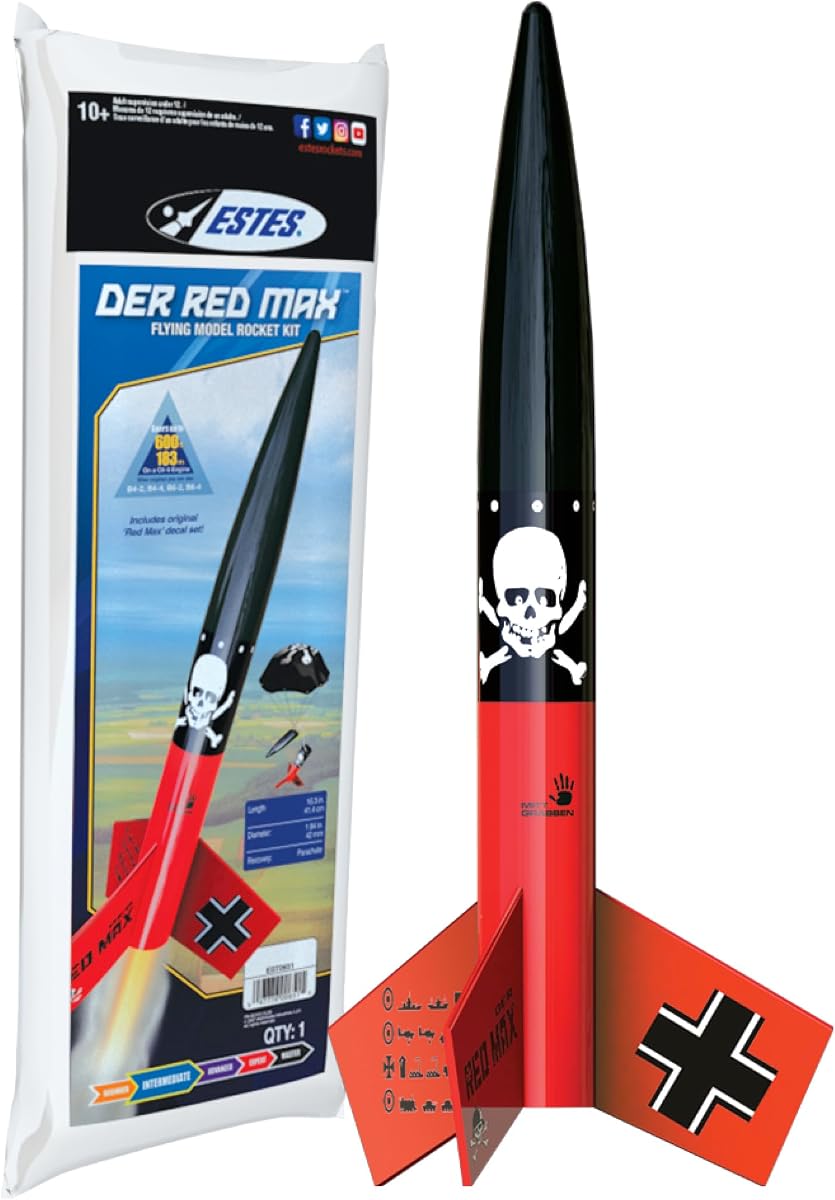
The Der Red Max offers a classic design with large stable fins. It is an intermediate kit for engineering enthusiasts. This model features wood fins for improved performance.
We may earn a commission when you buy through this link, at no additional cost to you.
It reaches 600 feet with compatible engines. Assembly takes about two hours. This time is spent on precision and stability.
Longer build requires patience. Intermediate skill needed. This trade-off ensures quality flight.
Ideal for serious hobbyists. It is a rewarding challenge. This kit offers high durability.
Laser cut wood for aerodynamic stability.
Traditional design that stands out.
We may earn a commission when you buy through this link, at no additional cost to you.
The Pathfinder set includes two flying model rockets for a dual launch experience. It provides a launch pad and controller. This is a great start for aspiring rocketeers.
We may earn a commission when you buy through this link, at no additional cost to you.
Each rocket reaches 1,000 feet with compatible engines. Build time is one hour or less. It includes parachutes for safe recovery.
Requires buying engines separately. Rating is slightly lower. However, value is high.
Best for beginners wanting multiple flights. It offers good value. This kit is a reliable starter.
Two rockets mean more fun.
Includes pad and controller.
We may earn a commission when you buy through this link, at no additional cost to you.
The Mean Machine is an advanced 80-inch rocket for thrilling flights. It features twist-lock connectors for easy assembly. This kit requires advanced building skills and patience.
We may earn a commission when you buy through this link, at no additional cost to you.
It reaches 700 feet with high-power engines. Build time is 3+ hours. The height and complexity offer a premium experience.
Requires advanced skills. Long assembly time. These trade-offs are acceptable for the challenge.
Ideal for advanced enthusiasts. It is a top-tier option. This kit delivers impressive performance.
Complex build for experienced modelers.
Easy assembly with twist-lock connectors.
We may earn a commission when you buy through this link, at no additional cost to you.
Choosing the right kit depends on skill level, available time, and flight goals. Consider these factors to find a kit that fits your needs.
Beginner kits offer simple parts and quick assembly. Advanced kits require more time and technical skills. Assess your experience before selecting.
Choose a kit matching your current ability to ensure success.
Some kits take one hour while others take three or more. Consider your schedule and patience level. Shorter builds are better for quick fun.
Select assembly time that fits your available time.
Altitude depends on the rocket design and engine compatibility. Higher flights require more powerful engines. Consider launch site size restrictions.
Check altitude limits to ensure safe flying conditions.
Some kits include launch pads and controllers. Others require separate purchase. Hardware inclusions save money and setup time.
Verify what is included to avoid extra costs.
Kits support specific engine types like A, B, C, or E. Ensure engines are easily available locally. Different engines affect flight power.
Choose a kit with compatible engine availability.
Look for kits following safety codes like NAR. Recovery systems are crucial for safe landings. Proper safety measures prevent accidents.
Prioritize safety features and proper recovery.
Dual sets offer multiple flights in one purchase. Single kits focus on one build experience. Decide if variety or depth is preferred.
Consider if you need multiple rockets.
Quality materials ensure the rocket survives multiple flights. Balsa or plastic fins vary in durability. Stronger parts mean longer use.
Choose durable parts for lasting use.
Assemble parts carefully following instructions. Glue parts securely and let them dry fully. Check for any misaligned fins before flying.
Launch in open areas away from trees and buildings. Use a launch pad for stability. Always have a clear flight path.
Store rockets in a dry place after flight. Replace damaged parachutes. Clean engines from debris before reuse.
In many areas, a permit is not required for small model rockets. However, check local regulations. Large events may need specific approvals. Always prioritize safety guidelines.
Most kits use standard Estes A, B, C, or E engines. Check compatibility on the packaging. Each engine provides different power. Always follow safety codes.
Stand at least 15 feet away from the launch pad. This ensures safety for observers. Use a safety key for control. Always issue a countdown.
Yes, rockets can be reused if undamaged. Inspect fins and parachutes before each flight. Clean engine mounts regularly. Proper care extends lifespan.
Yes, most kits are designed for ages 10 and up. Adult supervision is recommended. Follow all safety instructions. Ensure safe launch sites.
If the parachute fails, the rocket may fall hard. This can damage the rocket. Inspect the parachute for wear. Always use wadding.
We reviewed ten top kits ranging from beginners to advanced builders. Each offers unique benefits like dual launches or prebuilt options.
Prioritize skill level and safety when selecting. Ensure you have the right engines and launch site.
Remember to check current availability and details. Prices and stock vary frequently.