
AMD Ryzen 9 9950X
4.8Editor score
16 cores and 32 threads
Zen 5 architecture efficiency
80 MB cache capacity
This guide compares the top ten central processing units optimized for spreadsheet calculations and data analytics workflows to help you choose the right
Choosing the right central processing unit is critical for anyone who relies heavily on spreadsheet applications and data analytics tools for daily productivity and professional tasks.
We evaluated ten leading desktop processors based on core counts, cache sizes, clock speeds, and overall efficiency to determine which models deliver the most value for analytical workloads.
Each selection highlights specific strengths and potential limitations so you can match hardware capabilities with your specific data processing needs while keeping in mind that availability fluctuates.
4.8Editor score

4.2Editor score
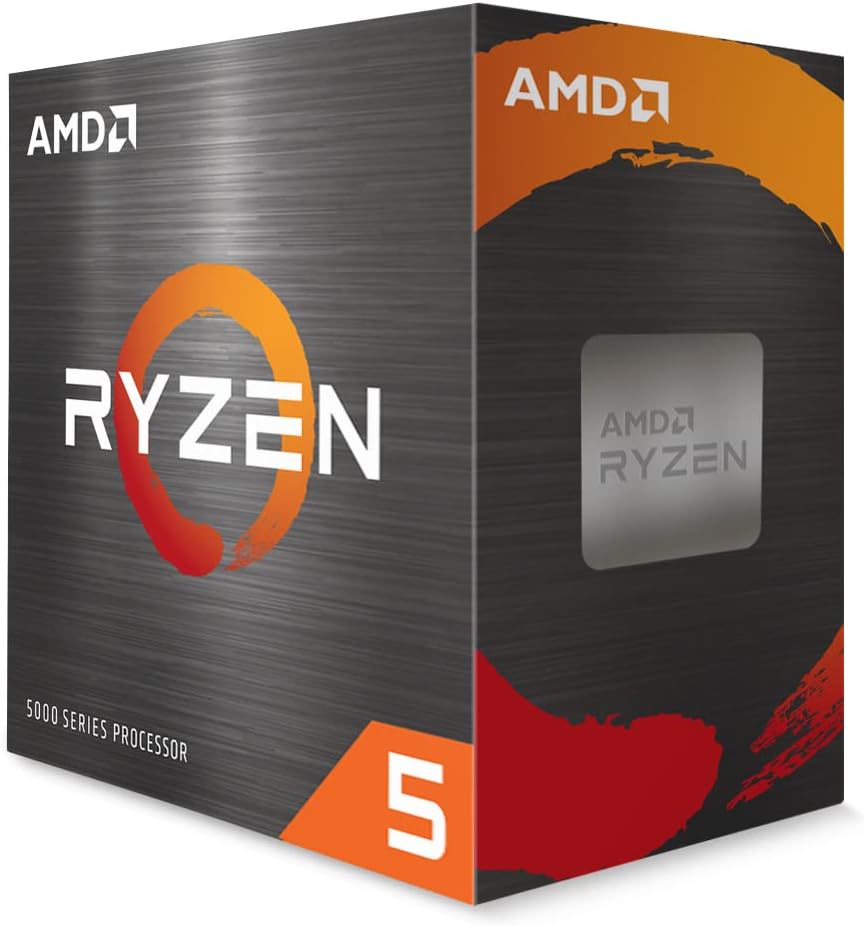
4.7Editor score
The following table presents a side-by-side overview of technical specifications and performance metrics for each processor to facilitate quick comparison and informed selection.


This processor stands out for its leading clock speeds and robust core configuration which directly translate to faster formula calculations and data processing times.
We may earn a commission when you buy through this link, at no additional cost to you.
The combination of performance and efficiency cores ensures that complex workloads are handled smoothly while idle tasks remain power efficient and cool.
While the high power draw demands attention to cooling and power supply selection the performance gains for data heavy tasks justify the additional hardware investment.
Professional analysts and power users who need rapid spreadsheet recalculation and large dataset handling will find this CPU delivers consistent and reliable throughput.
Higher clock speeds reduce the time required to complete iterative calculations across millions of rows in complex spreadsheets.
Hybrid architecture allows background data synchronization processes to run without interrupting primary analytical workflows in the foreground.
We may earn a commission when you buy through this link, at no additional cost to you.
This high end processor offers an outstanding balance of core count and cache capacity making it ideal for complex data transformations and extensive scripting tasks.
We may earn a commission when you buy through this link, at no additional cost to you.
The Zen 5 architecture provides significant improvements in instructions per clock allowing more work to be completed in each processing cycle without extra power cost.
Users should ensure adequate cooling is in place as sustained workloads can generate substantial heat requiring a dedicated liquid cooling solution for optimal stability.
Enterprise users and researchers dealing with massive datasets will appreciate the robust threading capabilities that keep analysis pipelines running efficiently throughout long sessions.
The expansive cache memory allows frequently accessed data sets to remain close to the cores reducing memory access latency significantly.
AM5 socket support ensures that users can upgrade to newer processors in coming years without replacing the entire motherboard assembly.
We may earn a commission when you buy through this link, at no additional cost to you.
This processor represents an excellent entry point for users needing reliable performance for standard spreadsheet tasks without breaking the budget on hardware components.
We may earn a commission when you buy through this link, at no additional cost to you.
The included stock cooler simplifies initial setup and ensures thermal stability during moderate workloads which is suitable for most office and home analysis scenarios.
Although it uses an older platform architecture the six cores and twelve threads provide sufficient headroom for daily reporting and standard data manipulation tasks.
Students and casual analysts who prioritize cost efficiency over peak performance will find this CPU meets all essential requirements for effective spreadsheet management.
The low price point allows users to allocate more of their budget toward additional RAM or storage for better overall system configuration.
Sufficient core count ensures that basic pivot tables and lookups execute quickly even when other applications are running simultaneously in background.
We may earn a commission when you buy through this link, at no additional cost to you.
This latest Intel offering brings a refined hybrid architecture that prioritizes workload distribution to maximize efficiency across diverse analytical and productivity tasks simultaneously.
We may earn a commission when you buy through this link, at no additional cost to you.
The integration of advanced thermal management features helps maintain sustained clock speeds under load ensuring that long processing jobs finish without unnecessary throttling delays.
Users transitioning to the new socket type should verify motherboard compatibility and cooling requirements as the high performance envelope demands careful system planning and setup.
Professionals seeking the absolute latest technology and maximum headroom for upcoming software features will appreciate the forward looking design and performance capabilities of this unit.
The performance and efficiency core split allows background maintenance tasks to run silently while primary analytical workloads utilize maximum compute resources.
Support for faster DDR5 memory speeds improves data throughput which is critical when working with large in-memory datasets and complex formulas.
We may earn a commission when you buy through this link, at no additional cost to you.
This processor offers a compelling middle ground for users who need more power than budget options provide without investing in flagship tier hardware or cooling.
We may earn a commission when you buy through this link, at no additional cost to you.
The twelve core configuration handles parallel data extraction tasks with ease while the high boost clocks ensure responsive interaction during manual spreadsheet navigation and editing.
Investment in a dedicated cooler is necessary for optimal performance but the platform longevity through AM5 support makes this a smart long term hardware choice.
Small business owners and data enthusiasts looking for a versatile system that can grow with their needs will find this CPU meets current and near future demands.
The core count provides enough parallelism for simultaneous data exports and report generation without noticeable delays in primary user tasks.
Support for future Ryzen processor generations means this motherboard investment remains valid for several hardware cycles reducing future upgrade costs.
We may earn a commission when you buy through this link, at no additional cost to you.
This model brings advanced architecture features to a broader segment providing significant performance advantages for complex formula calculations and data manipulation tasks.
We may earn a commission when you buy through this link, at no additional cost to you.
The hybrid core design ensures that routine background processes do not interfere with intensive analytical workloads keeping the system responsive during critical operations.
Prospective buyers should consider the cost of compatible motherboards and cooling as the new socket type requires a fresh hardware platform for full functionality.
Power users who need robust multitasking capabilities alongside high single core performance will appreciate the versatility and efficiency of this processor configuration.
Intelligent workload distribution ensures that heavy computational tasks use performance cores while background applications utilize efficiency cores effectively.
Compatibility with high speed DDR5 modules reduces latency when accessing large datasets which accelerates pivot table refreshes and complex queries.
We may earn a commission when you buy through this link, at no additional cost to you.
The large cache memory on this processor significantly benefits workloads that repeatedly access the same datasets which is common in iterative spreadsheet calculations.
We may earn a commission when you buy through this link, at no additional cost to you.
While core count is lower than other high end options the exceptional instructions per clock performance ensures rapid processing of complex operations and queries.
Users focused on tasks that fit within cache boundaries will see remarkable speed improvements compared to models relying more heavily on system memory access.
Specialized analysts and researchers needing minimal latency for repetitive computational loops will find this processor delivers unparalleled responsiveness in specific workloads.
Expanded L3 cache means frequently used intermediate calculation results stay on the chip reducing wait times for memory fetch operations.
Zen 5 technology delivers more computational power per clock cycle ensuring efficient processing even with fewer total physical cores.
We may earn a commission when you buy through this link, at no additional cost to you.
This processor offers a compelling blend of high clock speeds and modern platform features making it suitable for users needing responsive performance on a budget.
We may earn a commission when you buy through this link, at no additional cost to you.
The six core design handles standard analytical tasks efficiently while the high boost frequency ensures that single threaded operations complete rapidly during interactive use.
Buyers should account for the cost of a separate cooling solution which is required to maintain optimal performance during sustained high load periods.
Entry level professionals and enthusiasts looking for future proof performance without high costs will find this model an excellent starting point for a new system.
The strong maximum boost frequency ensures quick response times for interactive data exploration and real-time formula recalculations.
AM5 socket compatibility allows for future CPU upgrades without changing the motherboard extending the useful life of the entire system.
We may earn a commission when you buy through this link, at no additional cost to you.
A well established performer this processor delivers robust multi-threaded performance that supports efficient data processing and complex spreadsheet management tasks effectively.
We may earn a commission when you buy through this link, at no additional cost to you.
The hybrid core approach manages background and foreground tasks intelligently ensuring that analytical applications receive priority compute resources when needed most.
Although newer platforms offer advanced features this model provides a stable and cost effective solution for users upgrading existing systems with available components.
Analysts seeking reliable performance without latest generation premiums will find this processor offers a balanced mix of speed and efficiency for daily workflows.
Performance and efficiency cores work together to maintain high throughput for complex tasks while minimizing power usage during lighter operations.
Wide compatibility with existing motherboards allows for straightforward upgrades without the need for immediate chipset or memory changes.
We may earn a commission when you buy through this link, at no additional cost to you.
This model provides ten cores and solid multi-threaded performance at an attractive price point making it accessible for users building cost effective analysis workstations.
We may earn a commission when you buy through this link, at no additional cost to you.
The inclusion of a thermal solution simplifies the build process while providing adequate cooling for standard analytical workflows without additional component purchases.
Users must pair this processor with a discrete graphics card as the F suffix indicates integrated graphics are not present for display output tasks.
Home office users and students needing solid daily performance for spreadsheets and moderate data work will find this processor meets their needs efficiently.
Support for both DDR4 and DDR5 memory allows builders to choose cost effective or high speed RAM depending on their specific budget needs.
The included stock cooler reduces initial setup costs and provides sufficient cooling for typical office and light analysis usage scenarios.
We may earn a commission when you buy through this link, at no additional cost to you.
Selecting the right processor requires understanding how core count cache size and clock speeds influence spreadsheet performance and data processing speeds.
Higher core counts allow more simultaneous tasks which benefits complex data extraction and large dataset processing without slowing down other applications.
Look for at least six cores for basic needs and twelve or more for heavy multi-threaded analytical workloads.
Larger cache stores frequently accessed data closer to the cores reducing memory latency during complex calculations and iterative formula evaluations.
Prioritize processors with larger cache pools if your workloads involve repetitive queries or large in-memory datasets.
Higher boost frequencies ensure that single-threaded operations and interactive spreadsheet navigation respond quickly without noticeable delays.
Choose models with strong maximum boost speeds for responsive user interaction and rapid calculation completion.
Ensure the processor socket matches your current motherboard and that the chipset supports the memory type required for your workflow.
Opt for platforms with upgrade paths like AM5 to protect your investment for future processor generations.
Efficient processors draw less power while delivering performance reducing electricity costs and heat generation in work environments.
Look for strong instructions per clock metrics to balance raw speed with thermal and power management needs.
High performance models often require robust cooling solutions to maintain sustained speeds under load preventing thermal throttling during long tasks.
Verify whether a stock cooler is included or if an aftermarket solution is necessary for stable operation.
Balance performance needs with total system cost by selecting a processor that meets minimum requirements without unnecessary over-provisioning.
Consider older generation models that offer significant performance at lower price points for cost-effective builds.
Integrated graphics reduce costs and simplify setups if multiple displays are not required for the workstation.
Verify if the model includes graphics or if a discrete card is mandatory for video output.
Install the processor carefully according to motherboard specifications and apply thermal paste evenly before securing the cooling solution to ensure optimal thermal transfer.
Keep the system vents clear of dust and debris to maintain adequate airflow and prevent overheating during extended data processing sessions.
Update BIOS firmware regularly to ensure compatibility with new features and improve system stability across different workloads.
For standard spreadsheets a moderate core count is sufficient but large datasets and complex formulas benefit significantly from additional threads for parallel processing.
Both manufacturers offer excellent options with Intel providing strong single core speeds while AMD often leads in multi-threaded efficiency and cache performance.
High performance models generate significant heat under load and liquid cooling is recommended for sustained processing while air cooling may suffice for lighter use.
Eight GB is the minimum but sixteen or thirty-two gigabytes are recommended for handling large datasets without performance bottlenecks.
Previous generation processors often deliver ample performance for standard spreadsheet work at lower prices making them cost effective choices for basic needs.
This depends on socket compatibility so check the motherboard manufacturer list to ensure the new processor fits without requiring a platform change.
The selections highlighted provide options across price points and performance tiers ensuring users can find a processor that matches their specific analytical needs.
Prioritize core count and cache size if you work with large datasets while high boost clocks benefit users who need rapid interactive spreadsheet performance.
Always check current availability and pricing before purchasing to ensure you get the best value for your budget and requirements.