
Lenovo Business Laptop Linux Mint
4.6Editor score
Intel Core i5-1335U
16GB RAM 256GB SSD
Linux Mint Cinnamon OS
Choosing the right laptop for Linux can be challenging due to varying hardware support and pre-installed operating systems. This guide highlights ten exceptional models that run Ubuntu or Mint seamlessly. They offer powerful processors, ample memory, and robust build quality tailored for open-source enthusiasts.
We evaluated each device based on CPU performance, graphics capabilities, and long-term reliability. Our team prioritized machines with native Linux support to avoid driver headaches. Every entry here meets strict criteria for multitasking efficiency, display quality, and connectivity options suitable for diverse workflows.
Each pick showcases specific strengths like gaming potential, developer tools, or battery life. You will find options ranging from budget-friendly workstations to high-end AI rigs. Prices fluctuate frequently, so check current listings before purchasing to ensure you get the best deal available today.
4.6Editor score

4.3Editor score
5.0Editor score
As an Amazon Associate we earn from qualifying purchases.
The following table provides a side-by-side comparison of all ten models. Review each specification carefully to determine which device aligns with your specific computing needs and budget constraints for seamless Linux usage.




This laptop stands out as a top choice for Linux users seeking reliability and performance. It ships with Ubuntu Linux pre-installed, saving you the hassle of manual installation. The hardware is well-optimized for open-source environments.
We may earn a commission when you buy through this link, at no additional cost to you.
The AMD Ryzen 7 5825U processor provides eight cores and sixteen threads for smooth multitasking. You can run multiple virtual machines or compile code without significant lag. The Radeon graphics support basic video editing and casual gaming effectively.
While the 512GB SSD is decent, some users may want more storage space. The bundle includes a portable SSD which helps mitigate this limitation. Connectivity is strong with USB A and C ports plus HDMI for external monitors.
Developers and students will appreciate the balance of power and price. The included Stylus Pen and SD card reader add versatility for creative workflows. Consider this model if you need a ready-to-use Linux workstation.
The pre-installed Ubuntu OS ensures drivers work out of the box.
Military-grade testing ensures the chassis withstands daily wear.
We may earn a commission when you buy through this link, at no additional cost to you.
Budget-conscious buyers will find this option incredibly appealing due to its performance-to-cost ratio. It runs Linux Mint Cinnamon which is known for stability and ease of use. The Intel Core i5 processor is surprisingly capable for office tasks.
We may earn a commission when you buy through this link, at no additional cost to you.
With 16GB of RAM, you can keep many browser tabs open without slowing down. The fast charging feature ensures you stay productive even if you forget your charger. The full numberpad is a nice touch for data entry tasks.
The 256GB SSD fills up quickly with large media files or heavy software. However, it is fast and sufficient for a dedicated coding machine. The anti-glare display reduces eye strain during long coding sessions.
This machine is ideal for students or entry-level professionals needing a reliable daily driver. Its affordability makes it easy to recommend for general Linux adoption. Just be aware you might need external storage later.
Cinnamon interface offers a familiar desktop environment for new users.
Latest Intel i5 generation balances speed with energy consumption.
We may earn a commission when you buy through this link, at no additional cost to you.
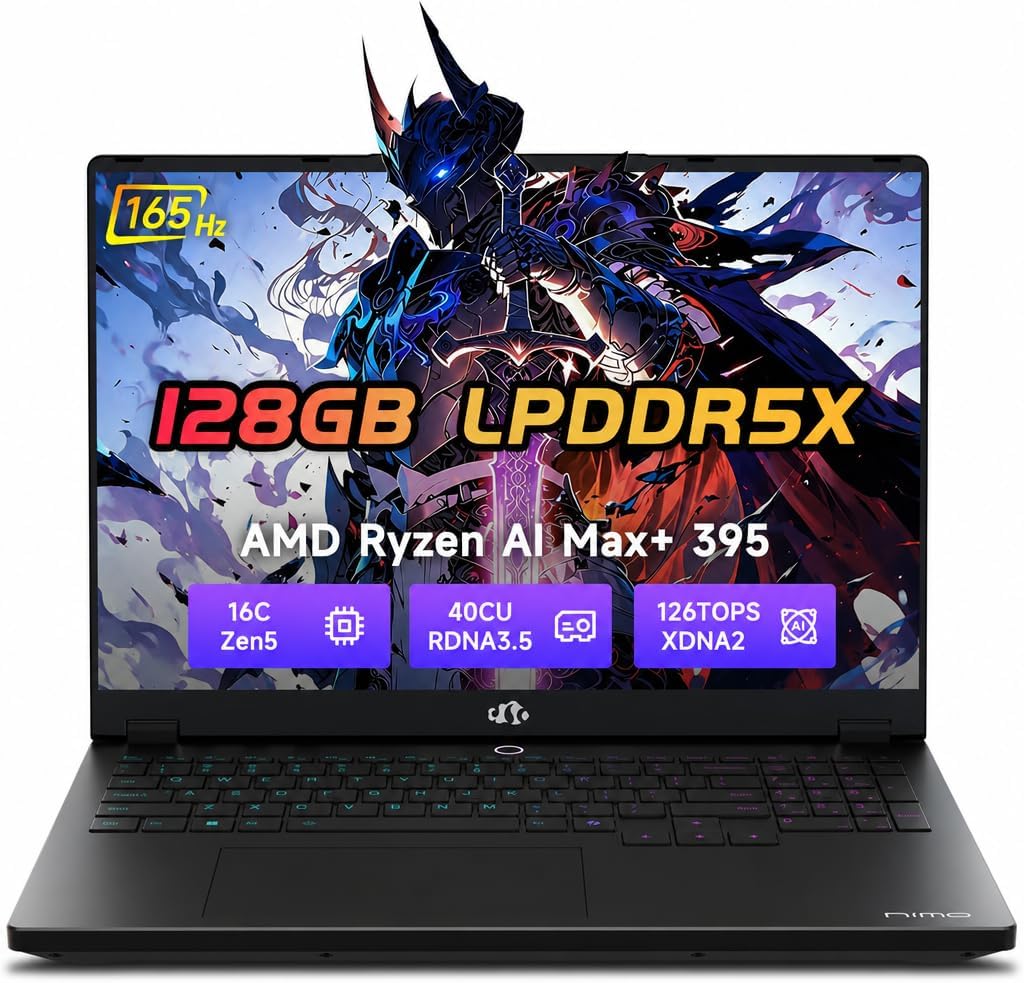
This is the ultimate machine for AI researchers and heavy-duty developers. It boasts an AMD Ryzen Max+ 395 processor designed for local model fine-tuning. Linux runs natively without any compatibility issues thanks to careful engineering.
We may earn a commission when you buy through this link, at no additional cost to you.
The 128GB of RAM allows you to run dozens of containers or virtual machines simultaneously. You can train large language models locally without relying on expensive cloud services. The battery life is optimized for flight restrictions too.
The 16-inch display supports high refresh rates making it great for graphics work. However, the size and weight make it less portable than other options. The price reflects these high-end specifications clearly.
Consider this if you need a desktop replacement that can handle intense workloads. It removes the friction of setting up Linux drivers or compilers. It is a powerhouse for those who demand raw performance.
Run and fine-tune large language models on your own desk.
LPDDR5x memory ensures zero bottlenecks during heavy processing.
We may earn a commission when you buy through this link, at no additional cost to you.
This variation of the IdeaPad offers significantly more storage for the user. You get a full 1TB SSD which is perfect for storing large datasets. The touchscreen allows for intuitive interaction with Linux desktop environments.
We may earn a commission when you buy through this link, at no additional cost to you.
The included Stylus Pen is great for taking notes or sketching diagrams. It runs Ubuntu smoothly, providing a stable base for development work. The 8-core processor ensures that file transfers and compilations remain fast.
Reviewers note that battery life might be shorter with touch enabled. The fan noise can also be noticeable when pushing the CPU hard. However, the storage upgrade alone makes it a strong contender for media workers.
If you need plenty of space for media files alongside your Linux tools, this is a great choice. It simplifies setup with the pre-installed OS. Check current deals to see if it fits your budget.
One terabyte allows for extensive local project storage.
Supports gesture controls for a modern Linux desktop feel.
We may earn a commission when you buy through this link, at no additional cost to you.
This laptop is a desktop replacement designed for users who need screen real estate. The 17.3-inch display makes it easy to split windows for coding and documentation. It runs Linux Mint Cinnamon which is stable and lightweight.
We may earn a commission when you buy through this link, at no additional cost to you.
Having 32GB of RAM ensures that memory-intensive applications run smoothly. The mix of SSD and HDD gives you speed for OS and massive space for archives. This setup is ideal for video editors or data analysts.
The processor is older but sufficient for steady workflow tasks. It does not excel in burst performance like newer chips. The weight makes it less suitable for daily commuting to an office.
Choose this if you prioritize RAM and storage over portability. It offers a complete workstation experience without the price of a server. Ensure you are comfortable with the weight before buying.
Thirty-two gigabytes of RAM support heavy multitasking loads.
Large screen allows for dual-window productivity layouts.
We may earn a commission when you buy through this link, at no additional cost to you.
This model provides a straightforward approach to Linux computing. It focuses on core performance with the Ryzen 7 processor and Ubuntu OS. There are no complex bundles to worry about during setup.
We may earn a commission when you buy through this link, at no additional cost to you.
The touchscreen adds a layer of convenience for navigating file managers. Military-grade durability ensures it can handle being tossed in a backpack. It is a clean slate for installing your favorite tools.
Without additional accessories like the stylus or extra SSD, it is simpler. You might need to buy external accessories separately. However, the core machine remains robust and reliable for daily tasks.
This is a good option for those who prefer to customize their setup. You get the hardware without the bulk of bundled extras. Check the availability and current price before purchasing online.
Focuses on essential computing power without unnecessary add-ons.
Starts immediately with a standard Linux installation.
We may earn a commission when you buy through this link, at no additional cost to you.
This laptop is an ultra-budget option often considered for low-power tasks. It runs Windows 11 which you can replace with Linux manually. The processor is efficient but not designed for heavy workloads.
We may earn a commission when you buy through this link, at no additional cost to you.
The 4GB of RAM limits multitasking capability significantly. You may experience slowness with many open browser tabs. The 128GB SSD is small but fast for basic system operations.
It includes cloud storage which can compensate for limited local space. However, for local development, you would need external drives. It is more of a web-browsing device than a coding tool.
If you want to install Linux to save money, this is a potential candidate. You should check Linux compatibility before buying. It is better suited for casual users than power users.
One terabyte of cloud space expands your file storage.
Slim profile makes it easy to slip into a bag.
We may earn a commission when you buy through this link, at no additional cost to you.
This machine is perfect for those who need absolute maximum performance. The Ryzen Max+ processor is one of the fastest mobile chips available. It runs a native Linux environment optimized for speed and stability.
We may earn a commission when you buy through this link, at no additional cost to you.
You can run massive IDE compilations or Docker containers without lag. The 100% sRGB display ensures colors are accurate for design work. It is built to handle professional engineering tasks efficiently.
The thermal system keeps the device cool even under full load. This prevents throttling during long rendering sessions. The only downside is the high price and weight.
For professionals who rely on their laptop for critical work, this is the best option. It eliminates the need for a desktop workstation. Ensure you have the budget before committing to this model.
Handles CAD and complex rendering tasks with ease.
Advanced cooling ensures peak performance during extended use.
We may earn a commission when you buy through this link, at no additional cost to you.
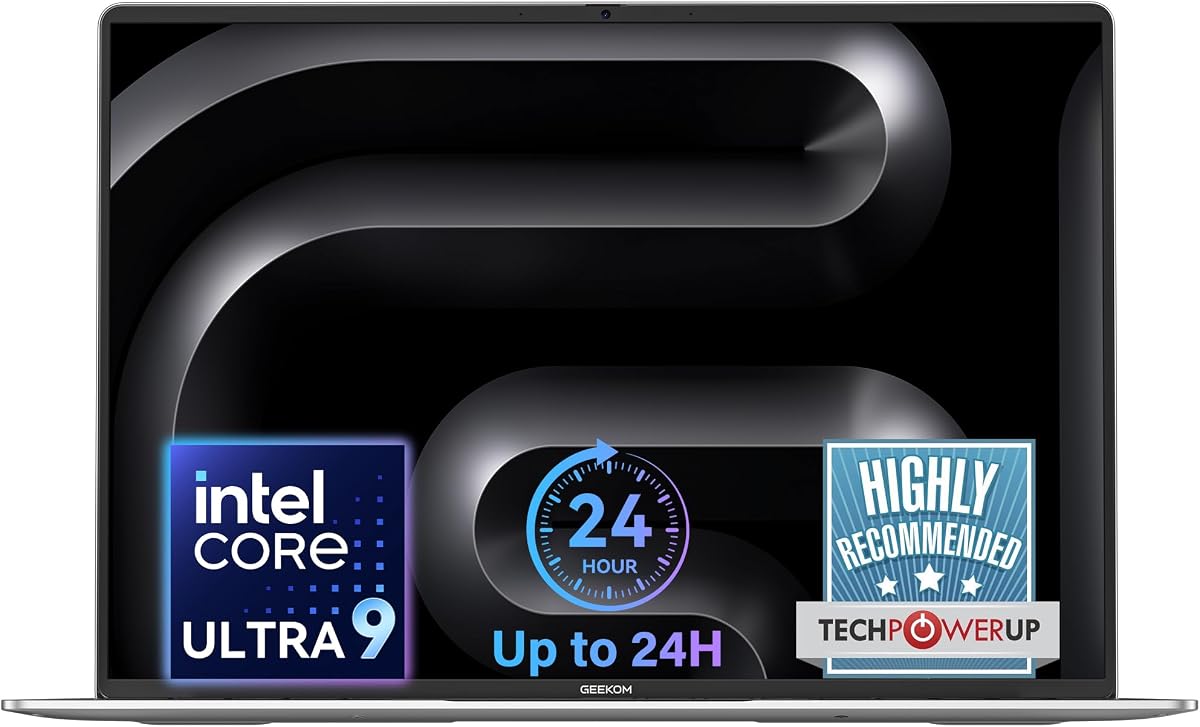
This laptop is a powerhouse for endurance and raw processing capability. It can run for hours without needing a charger. The Intel Core Ultra 9 delivers excellent performance for productivity tasks.
We may earn a commission when you buy through this link, at no additional cost to you.
The large battery supports sustained high performance without draining quickly. It is great for travel or working in locations with limited power access. The chassis is built from durable materials to last.
Since it comes with Windows, you must install Linux manually. This is straightforward for experienced users but adds a step. The display offers good color accuracy for creative work.
Choose this if you value battery life above all else. It bridges the gap between a mobile phone and a desktop computer. Verify Linux driver support before making the switch.
The battery allows for a full work day on one charge.
Keeps cool and fast even during intensive computing.
We may earn a commission when you buy through this link, at no additional cost to you.
This device offers a balance of modern features and a competitive price. It comes with Windows 11 but can easily run Linux after install. The AMD Ryzen 5 processor is efficient and fast for office work.
We may earn a commission when you buy through this link, at no additional cost to you.
The IPS display provides good viewing angles for presentations or shared screens. Wi-Fi 6 ensures you stay connected to the network quickly. The 512GB SSD offers standard storage for daily documents.
You may need to reconfigure settings to switch to Linux smoothly. However the hardware supports Linux distributions well. It is a cost-effective solution for general business needs.
It is a good choice for buyers who want a large screen at a lower cost. The performance is adequate for most web and office tasks. Check current prices to confirm it fits your budget.
Wi-Fi 6 ensures fast and stable wireless internet.
Priced reasonably for its screen size and speed.
We may earn a commission when you buy through this link, at no additional cost to you.
This ThinkPad is a classic business laptop with solid Linux support. It ships with a vanilla Linux system which is clean and efficient. The keyboard is widely praised for its tactile feedback and durability.
We may earn a commission when you buy through this link, at no additional cost to you.
The WUXGA display offers more vertical space than standard HD screens. This is helpful for viewing code editors or long documents. The fingerprint reader adds a layer of security to your login.
It may require stickers to fix the keyboard layout as it is French. This is a minor inconvenience for a powerful machine. The DDR5 RAM ensures fast data access speeds.
If you prefer a standard business device that supports Linux well, this is a great pick. It is rugged and reliable for daily use. Check the keyboard layout details before purchasing.
Clean system setup without manufacturer bloatware.
Classic ThinkPad keyboard offers excellent typing feel.
We may earn a commission when you buy through this link, at no additional cost to you.
Selecting the right Linux laptop requires evaluating hardware compatibility, processor power, and build quality. This section details the key factors to consider before making your purchase decision for optimal performance.
Ensure the laptop supports Linux distributions out of the box. Many modern models come with Ubuntu or Mint pre-installed to avoid driver conflicts. If you install manually, check community support for your hardware components.
Verify that the manufacturer provides Linux drivers or if there are known issues with your specific model. This step saves time and prevents frustration after you start using the device.
Look for processors with multiple cores and threads to handle multitasking. AMD Ryzen and Intel Core series are both excellent choices for compiling code or running virtual machines. Higher clock speeds improve responsiveness for general tasks.
Prioritize processors that balance speed with power efficiency. This ensures you get a responsive device without sacrificing battery life during daily use.
Aim for at least 16GB of RAM to keep multiple applications running smoothly. Linux tools often require significant memory when managing multiple containers or heavy IDEs. Faster RAM speeds also improve overall system responsiveness.
Choose a laptop with an SSD rather than an HDD for faster boot and load times. If you work with large datasets, ensure the drive capacity is sufficient for your needs.
Integrated graphics are usually sufficient for coding and office work. If you do video editing or 3D modeling, look for models with strong integrated graphics or dedicated GPUs. Ensure the GPU has open-source driver support.
Check if the display supports high refresh rates and accurate colors. A good screen reduces eye strain and improves the visual experience for long sessions.
Consider the weight and size if you plan to carry the laptop daily. A compact design is easier to handle but may sacrifice screen real estate. Look for sturdy builds that can withstand travel wear.
Pay attention to the keyboard quality and trackpad precision. A comfortable input device is crucial for productivity and long typing sessions.
Ensure the laptop has enough ports for your workflow like USB A, USB C, and HDMI. This reduces the need for dongles and adapters when connecting peripherals. Wireless connectivity standards like Wi-Fi 6 improve internet speed.
Check for Thunderbolt or USB4 support if you need high-speed data transfer or external displays. These features are essential for professional workflows and development environments.
Aim for a battery that lasts at least 8 hours under typical usage. This ensures you can work away from a power source without interruption. Efficient processors contribute to longer battery life significantly.
Check if the charger supports fast charging for quick top-ups between meetings. Having a reliable power source is critical for maintaining productivity on the go.
Select a brand with reliable customer support and a solid warranty policy. Linux specific support is a bonus if you encounter driver issues or configuration problems. Read user reviews to gauge long-term reliability.
Ensure there is an active community for the model to help troubleshoot issues. This community support can be invaluable for solving specific Linux compatibility challenges.
Install your preferred Linux distribution and update all system packages immediately. Use the terminal to verify that hardware components like Wi-Fi and graphics are detected correctly. Configure your system settings to match your workflow needs.
Clean the screen and keyboard regularly using a microfiber cloth to maintain visibility. Avoid placing heavy objects on the closed laptop to prevent screen pressure damage. Keep vents clear of dust to ensure proper airflow and cooling.
Manage storage space by organizing files and removing unnecessary applications. Use cloud storage or external drives for backups to protect your data. Schedule regular system updates to keep security patches current and maintain stability.
Not all laptops are officially certified for Linux but most modern Intel or AMD devices work well. Look for models that come with Linux pre-installed to avoid driver issues. Check community forums for specific compatibility reports before buying.
Ubuntu and Linux Mint are popular choices because they are user-friendly and have large communities. Both offer excellent hardware support and pre-installed drivers for common components. They simplify the installation process for new users.
Yes you can run many Windows applications using Wine or virtual machines. Some specialized tools may require configuration to run smoothly on Linux. However native Linux applications are generally more stable and efficient.
For development work you should have at least 16GB of RAM. This allows you to run IDEs, browsers, and local servers simultaneously. 32GB or more is recommended for heavy virtualization or container usage.
Some Linux laptops are competitively priced but high-end models can cost more. Pre-installed Linux systems often reduce costs by saving on Windows licenses. Compare specs and pricing to find the best value.
This often happens if the WiFi card needs specific drivers. Check the manufacturer support pages or use a USB WiFi adapter temporarily. Most modern Linux kernels include drivers for common WiFi chips.
We reviewed ten top laptops for Linux to help you find the perfect device for your needs. Each model offers unique benefits ranging from budget friendly options to high performance AI machines. The Lenovo IdeaPad Slim 3 stands out as a balanced choice for most users.
Consider your specific tasks when making a decision. If you need raw power for development, go for the NIMO AI model. For casual use, the Lenovo Business Laptop provides great value and performance.
Prices change frequently so check the latest listings before you buy. You can find great deals by comparing different sellers online. Choose the one that fits your budget and performance requirements today.