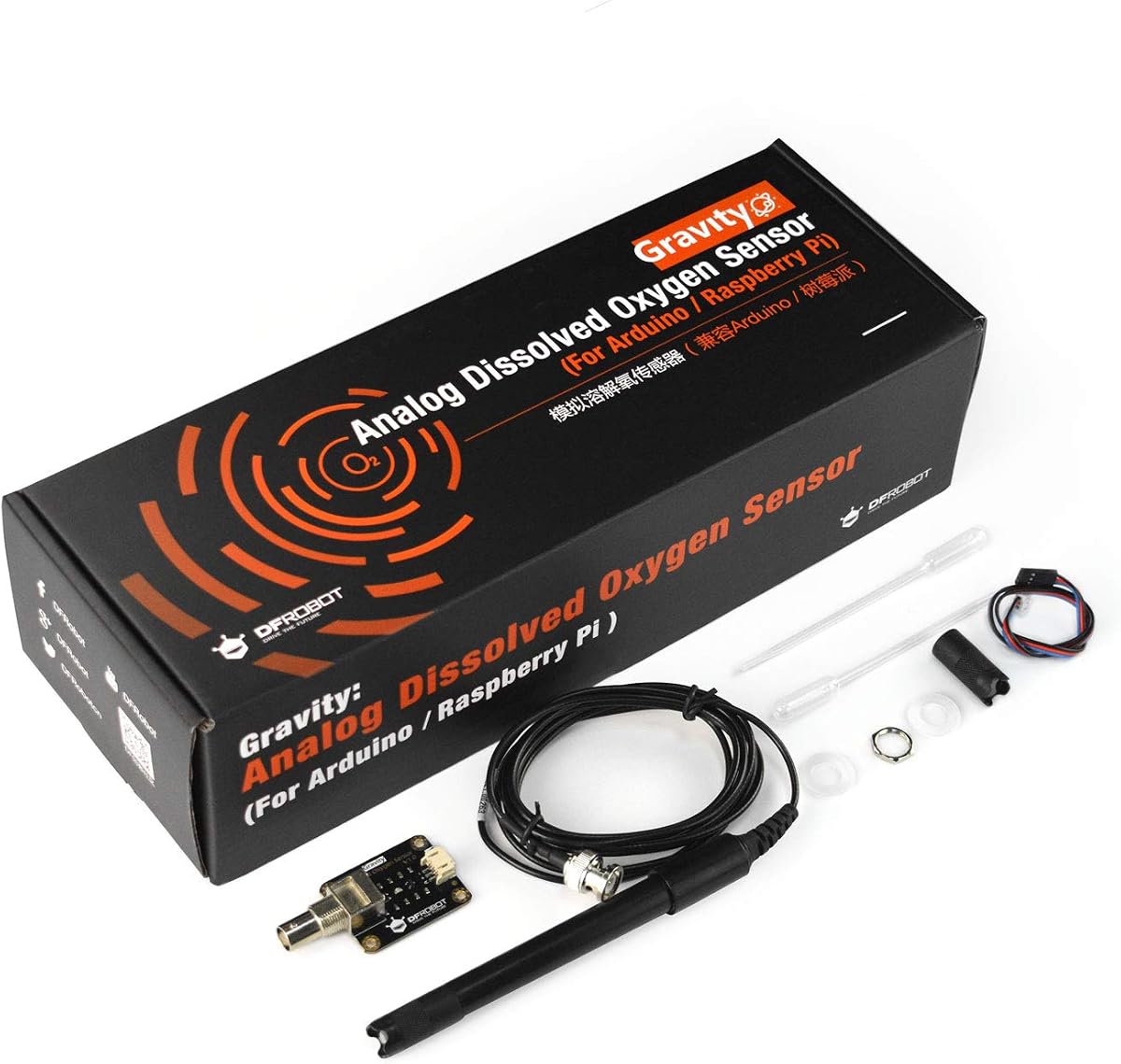
Gravity: Analog Dissolved Oxygen Sensor Kit
4.4Editor score
No polarization required
Compatible with Arduino
Low maintenance design
This guide compares the top 10 dissolved oxygen sensors for aquaculture, labs, and industry, reviewing accuracy, calibration, and ease of use for water quality
Dissolved oxygen sensors are critical tools for maintaining water quality in aquaculture, environmental monitoring, and industrial processes. Choosing the right device ensures accurate readings and reliable performance over time.
We evaluated ten top-rated sensors based on accuracy, ease of calibration, durability, and compatibility with various systems. Our analysis covers both handheld meters and modular probes for diverse applications.
Each pick highlights key features, pros, and cons to help you find the ideal sensor. Note that specifications and availability may change, so verify details before purchasing your equipment.
4.4Editor score
4.4Editor score

4.8Editor score
This side-by-side comparison highlights the key specifications and capabilities of the top dissolved oxygen sensors available today. Use this table to quickly identify which model fits your specific monitoring needs.


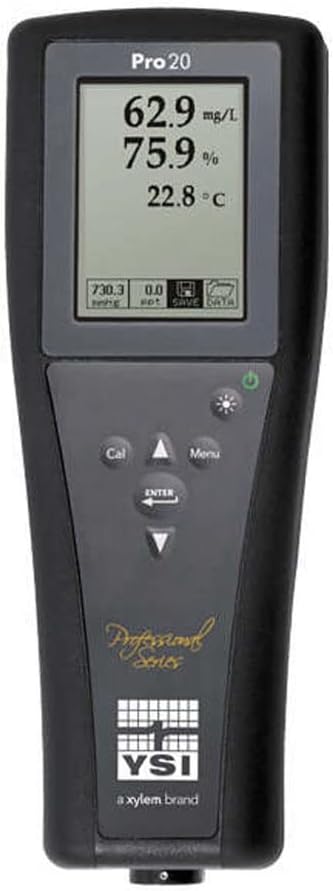
The YSI 6050020 Pro20 stands out as a reliable handheld dissolved oxygen meter designed for professionals and serious hobbyists. With a strong rating, it delivers consistent performance in field conditions. Its standout quality is the ability to calibrate quickly and store data efficiently.
We may earn a commission when you buy through this link, at no additional cost to you.
This meter features One Touch Cal, which simplifies the calibration process significantly. It stores up to 50 data sets, eliminating the need for manual recording. The automatic barometric pressure compensation ensures accuracy regardless of altitude changes, making it ideal for fieldwork.
While the meter is excellent, it is sold separately, meaning probes must be purchased if not already owned. The price point is higher than basic models, but the reliability and data management features justify the investment for frequent users.
Anyone needing a rugged, accurate meter for environmental monitoring or aquaculture should consider this model. Its combination of ease of use and robust features makes it a top recommendation for those who value efficiency and data tracking.
The One Touch Cal feature allows users to complete DO calibrations within seconds, saving valuable time during field surveys.
Built-in storage for 50 data sets ensures you never lose critical readings, allowing for seamless record keeping without extra notebooks.
We may earn a commission when you buy through this link, at no additional cost to you.
The Gravity Analog Dissolved Oxygen Sensor Kit is an excellent choice for DIY enthusiasts and IoT developers. Rated highly by users, it offers a cost-effective way to monitor water quality. Its galvanic probe allows for instant readings without pre-heating or polarization time.
We may earn a commission when you buy through this link, at no additional cost to you.
This kit includes a signal converter board with hardware filtering for stable signals, simplifying the coding process. It is compatible with Arduino, ESP32, and Raspberry Pi, making it versatile for various projects. The spare membrane cap ensures long-term usability without expensive replacements.
Users must note that the filling solution is not included due to shipping restrictions, which adds a small step to setup. However, the open-source documentation and tutorials make deployment straightforward even for those with limited technical experience.
This sensor is perfect for hydroponics, aquaculture automation, or educational projects where budget and connectivity matter. It provides reliable data for intermittent power supplies, offering a practical solution for continuous water quality monitoring.
Designed specifically for microcontrollers, this kit integrates easily into smart water quality systems using standard 3-pin interfaces.
Replaceable caps and solutions reduce long-term costs significantly compared to sensors that require full probe replacement when consumables expire.
We may earn a commission when you buy through this link, at no additional cost to you.
The Apera Instruments AI480 DO850 represents the pinnacle of modern dissolved oxygen technology with its optical sensor. Boasting a high rating, it offers a hassle-free experience by eliminating the need for frequent membrane changes or solution refills. This design ensures continuous operation with minimal downtime.
We may earn a commission when you buy through this link, at no additional cost to you.
Its IP67 waterproof and dust-proof structure makes it ideal for harsh environments, from industrial plants to outdoor field sites. The optical sensor technology provides reliable and effortless measurements without the degradation issues common in older electrochemical sensors.
While the investment is significant, the durability and reduced maintenance costs offset the initial expense over time. The 10 ft optical probe allows for deep water testing or remote sampling, adding versatility to laboratory or field workflows.
Professionals seeking the highest accuracy and convenience should choose this kit. It is an excellent fit for environmental agencies, aquariums, and facilities where long-term reliability is critical. The complete kit ensures you can start testing immediately upon unboxing.
Optical sensors measure oxygen based on luminescence, providing stable readings that do not require oxygen consumption or polarizing time.
The IP67 rating protects the device from water and dust ingress, ensuring it survives drops or exposure to splashes during outdoor work.
We may earn a commission when you buy through this link, at no additional cost to you.
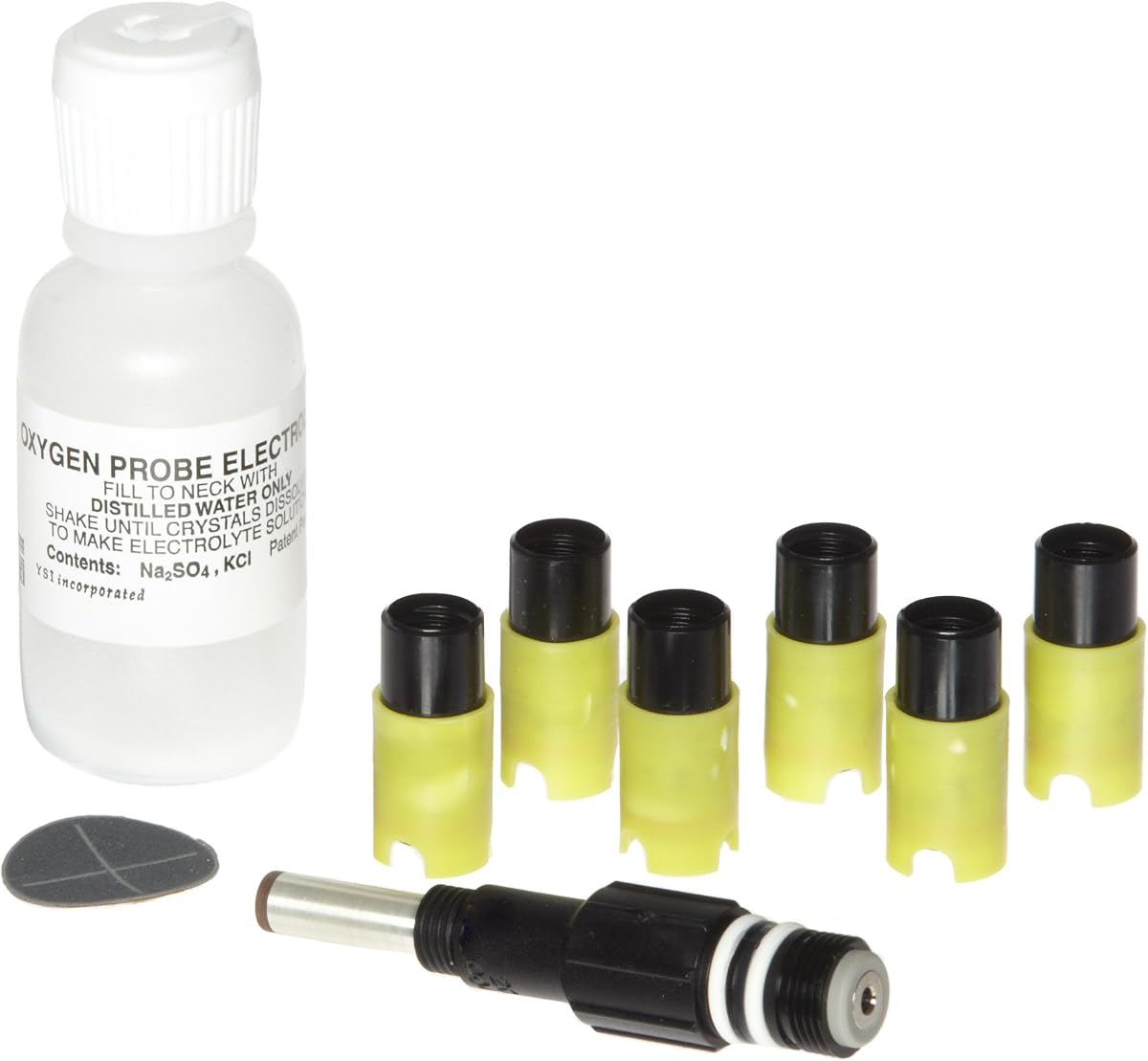
The YSI-605202 Pro Series is a galvanic sensor designed for users who value simplicity and reliability. Its high rating reflects consistent performance in monitoring applications. The sensor is easy to replace without tools, making maintenance straightforward for field technicians.
We may earn a commission when you buy through this link, at no additional cost to you.
The screw-on cap membranes simplify the replacement process significantly. Users can quickly change membranes without complex disassembly. The package includes multiple membrane caps and solution, ensuring you are prepared for regular maintenance cycles without ordering extra parts.
As a standalone sensor, it requires a compatible YSI meter, which may increase the total cost if you do not own one. However, the ease of use and durability make it a solid choice for those already invested in the YSI ecosystem.
This sensor is best suited for continuous monitoring systems or labs where quick swaps are necessary. It delivers consistent results with minimal fuss, supporting accurate water quality data for research or environmental compliance purposes.
The design eliminates the need for wrenches or screwdrivers during sensor swaps, reducing downtime during critical monitoring periods.
Included spare parts ensure you never run out of essentials during field deployments, keeping your project on schedule.
We may earn a commission when you buy through this link, at no additional cost to you.
The YSI 6900 ProDSS ODO sensor uses optical technology to deliver precise dissolved oxygen measurements. While rated, it is a trusted component for the YSI ProDSS multi-parameter system. It ensures stable readings over extended periods, making it suitable for long-term deployments.
We may earn a commission when you buy through this link, at no additional cost to you.
Its optical design reduces maintenance needs compared to traditional sensors, as it does not consume oxygen during measurement. This feature is particularly useful for monitoring environments where sensor fouling or frequent maintenance is a challenge. It integrates seamlessly with existing YSI infrastructure.
As a single item purchase, users must ensure they have the correct host system for operation. It is not a standalone handheld meter but a sensor module, which limits its use to specific YSI platforms. However, the performance benefits are significant for professionals.
This sensor is ideal for water quality stations that require high precision and durability. It supports accurate monitoring for regulatory compliance or research projects, offering a reliable upgrade from older polarographic technologies.
Designed specifically for the YSI ProDSS platform, this sensor ensures seamless data logging and multi-parameter analysis capabilities.
The luminescence-based optical method provides stable readings that are unaffected by flow rates or stirring speeds.
We may earn a commission when you buy through this link, at no additional cost to you.
This Dissolved Oxygen Meter offers an extended measurement range of 0.0-40.0 mg/L, surpassing standard models. With a solid rating, it is designed for practical use in aquariums and aquaculture. The automatic temperature compensation ensures accurate results even when water temperatures fluctuate.
We may earn a commission when you buy through this link, at no additional cost to you.
The package includes anaerobic water calibration powder and filling fluid, making it ready to use out of the box. This convenience saves time and money compared to buying separate calibration solutions. The clear LCD screen provides easy-to-read results at a glance.
The device lacks a backlight, which can make readings difficult in dimly lit environments like indoor tanks or night monitoring. Despite this limitation, the auto power-off feature helps preserve battery life for extended use in remote locations.
This meter is perfect for hobbyists or small farms needing reliable monitoring without complexity. It balances cost and functionality well, offering a comprehensive kit that supports consistent water quality checks for various aquatic environments.
Inclusion of calibration powder and filling fluid ensures you can begin testing immediately without searching for additional supplies.
The expanded 40 mg/L range covers extreme conditions, making it versatile for industrial uses where standard 20 mg/L sensors might fall short.
We may earn a commission when you buy through this link, at no additional cost to you.
This Dissolved Oxygen Meter for Pond is designed specifically for monitoring small fish ponds and hydroponic systems. It offers a 3.6-foot electrode cable, allowing you to reach deeper water without getting wet. The digital display is backlit, enabling easy reading in low-light conditions.
We may earn a commission when you buy through this link, at no additional cost to you.
The meter supports two units: mg/L and percentage saturation, providing flexibility in how you view data. Calibration is straightforward with a two-point process, ensuring reasonable accuracy for general monitoring. The auto shutoff feature helps extend battery life during storage.
While it is a versatile tool, the accuracy may not meet rigorous laboratory standards compared to higher-end models. However, for hobbyists managing koi ponds or hydroponic nutrients, it provides sufficient data to maintain healthy aquatic life.
This meter is an affordable entry point for pond owners or gardeners. Its portability and ease of use make it a practical choice for routine checks, ensuring your plants and fish have the oxygen levels they need to thrive.
Ideal for deep water systems like NFT or RDWC, it helps monitor nutrient solution oxygen content to support healthy plant roots.
Regular monitoring prevents oxygen depletion events that can harm fish, allowing you to take action before water quality drops critically.
We may earn a commission when you buy through this link, at no additional cost to you.
This Dissolved Oxygen Meter stands out with its 11.48-foot cable, making it ideal for deep tanks or reservoirs. It includes a 99-data memory, allowing you to track trends over time. The unit measures temperature, salinity, and barometric pressure alongside oxygen levels.
We may earn a commission when you buy through this link, at no additional cost to you.
The high-precision measurement provides detailed data for serious aquaculture or environmental work. An IRDA port facilitates data transfer to computers, though manual calibration is required. The sturdy carrying case ensures protection during transport to remote field sites.
Users may find the menu system complex due to the multiple parameters supported. Manual calibration requires patience to ensure accuracy, but the results are reliable. The auto power-off settings allow for customizable battery management based on usage needs.
This meter is best for professionals or enthusiasts who need detailed data logging. The combination of a long cable and multi-parameter support makes it a versatile tool for comprehensive water quality analysis in varied environments.
The 11.48-foot cable allows you to reach the bottom of deep ponds or industrial tanks without specialized lifting equipment.
Storing 99 readings directly on the device ensures you do not lose data in the field, supporting better long-term analysis.
We may earn a commission when you buy through this link, at no additional cost to you.
The Milwaukee MW600 is an economical portable meter suited for educational and environmental analysis. It features a polarographic probe with a 3-meter cable, offering flexibility in sampling. The two-point manual calibration ensures accuracy for classroom or field tests.
We may earn a commission when you buy through this link, at no additional cost to you.
Its LCD screen displays readings clearly, and the automatic temperature compensation adjusts for water temperature changes. The 0.1 mg/L resolution provides sufficient detail for most general testing needs. It is designed to be rugged and portable for field work.
While it is not a high-end research instrument, it performs consistently for standard aquaculture and water quality tasks. Users should note that calibration must be done manually, which may take more time than auto-calibrating models.
This meter is a solid choice for schools, labs, or budget-conscious users needing reliable performance. It offers a balance of affordability and functionality, ensuring that accurate dissolved oxygen monitoring remains accessible for diverse applications.
Its simplicity and durability make it an excellent tool for teaching students about water quality and environmental science principles.
The portable design and included cable make it easy to transport to remote streams or ponds for sampling without extra gear.
We may earn a commission when you buy through this link, at no additional cost to you.
The YSI-605203 Pro Series uses polarographic technology, a traditional method known for reliability in lab settings. It has a strong rating, reflecting its consistent performance in professional environments. This sensor is compatible with standard YSI meters, making it a versatile replacement option.
We may earn a commission when you buy through this link, at no additional cost to you.
Its polarographic design offers stable readings when maintained correctly. The packaging ensures safe transport, and the unit arrives ready for integration into existing setups. It is a practical choice for laboratories that prefer proven sensor technologies over newer optical options.
Maintenance involves membrane and electrolyte changes, which adds to the operational routine. Polarization time may be required before use, unlike galvanic or optical sensors. However, for users already equipped with YSI systems, this sensor offers dependable data.
This sensor is ideal for labs seeking cost-effective reliability. It supports accurate dissolved oxygen measurement for research or compliance, maintaining the high standards associated with the YSI brand in professional water quality monitoring.
Polarographic sensors have been a standard for decades, offering predictable performance that many labs prefer over newer technologies.
Compatible with standard YSI systems, it integrates easily into existing lab workflows without requiring expensive hardware upgrades.
We may earn a commission when you buy through this link, at no additional cost to you.
Selecting the right dissolved oxygen sensor involves balancing accuracy, maintenance, and cost. This guide outlines key factors to consider before making your decision.
Dissolved oxygen sensors generally fall into polarographic, galvanic, or optical categories. Polarographic sensors require polarization and are cost-effective. Galvanic sensors provide instant readings without pre-heating. Optical sensors offer high accuracy with minimal maintenance but often come at a higher price.
Choose optical for low maintenance, galvanic for quick response, or polarographic for budget-friendly lab applications.
Ensure the sensor covers your required range. Most standard units measure up to 20 mg/L. Some models support up to 40 mg/L for industrial or high-salinity environments. Selecting the wrong range can lead to inaccurate readings or sensor damage.
Verify the maximum capacity matches your water quality requirements before purchasing.
Calibration frequency varies by technology. Optical sensors typically require less frequent calibration. Polarographic and galvanic sensors need regular calibration with solutions or air. Some handheld meters feature one-touch calibration for ease.
Opt for models with simple calibration processes if you lack technical staff or time.
Field use demands durability. Look for IP ratings like IP67 to protect against water and dust. Rugged probes and protective cases extend sensor life. Consider environmental factors like temperature range and mechanical stress.
Choose a model with protective features if you operate in harsh outdoor conditions.
Modern sensors may offer connectivity for data logging. Some include USB, IRDA, or Bluetooth interfaces. This is vital for long-term monitoring or compliance reporting. Basic models require manual recording.
Select digital interfaces if you need to store or share data regularly.
Regular maintenance ensures accuracy. Optical sensors have the lowest maintenance needs. Polarographic and galvanic probes require membrane and electrolyte changes. Factor in the cost of replacement parts when budgeting.
Evaluate long-term maintenance costs alongside the initial purchase price.
If you already own a meter, ensure sensor compatibility. Some brands like YSI use proprietary connectors. Modular kits for Arduino or IoT platforms offer flexibility but may need technical setup.
Check connector types and protocol support before buying a new sensor.
User interfaces range from simple LCDs to complex menus. Look for backlit displays for low-light conditions. Features like auto temperature compensation simplify use. Training time varies with complexity.
Prioritize user-friendly models if staff training is limited.
Before first use, prepare the sensor by filling it with the correct electrolyte solution if required. Ensure the membrane is intact and free from air bubbles, as these can cause erroneous readings. Allow the sensor to polarize if it is a polarographic type.
For calibration, immerse the sensor in a zero-oxygen solution and then in air or a saturated solution. Follow the manufacturer's steps to set the baseline. Repeat this process regularly to maintain accuracy, especially after membrane changes.
Store the sensor with the protective cap and moist sponge when not in use. Avoid direct sunlight or extreme temperatures. Replace membranes and electrolytes as recommended to extend the sensor's lifespan and ensure reliable measurements.
Fluctuating readings often result from unstable flow or air bubbles under the membrane. Ensure the water is agitated gently but consistently. Check the membrane for damage and verify the calibration. Temperature changes can also affect stability without proper compensation.
Calibrate your sensor before every use for critical applications. For less intensive use, weekly or monthly calibration may suffice. Optical sensors typically require less frequent calibration than polarographic models. Always calibrate after replacing the membrane or electrolyte.
Yes, but ensure the sensor supports high salinity levels. Saltwater affects oxygen solubility, so salinity compensation is crucial. Some models are specifically designed for marine environments. Check the manufacturer's specifications for salinity range compatibility.
Galvanic sensors produce current naturally and require no polarization time, making them ideal for intermittent use. Polarographic sensors need an external voltage and polarization time before they stabilize. Both measure oxygen but differ in response time and maintenance needs.
Check the batteries or power source first. Ensure connections are secure and the probe is properly attached. If using an Arduino kit, verify the voltage supply. For handhelds, check for power switches or low battery indicators that may disable operation.
Gently wipe the membrane with a soft cloth and mild soap. Rinse with distilled water and avoid scratching the surface. Do not use abrasive materials. After cleaning, ensure the membrane is dry before reassembly unless instructed otherwise for wet storage.
We reviewed ten top dissolved oxygen sensors ranging from DIY kits to professional handheld meters. The YSI 6050020 Pro20, Gravity Analog Kit, and Apera Instruments AI480 lead in performance, cost, and durability respectively.
Prioritize technology type based on your maintenance needs. Optical sensors save time but cost more. Galvanic and polarographic sensors are cost-effective but require more upkeep. Ensure your choice matches the environment and application scope.
Always verify current availability and specifications before purchasing. Specifications and pricing may change. Use the provided links to explore detailed product pages and confirm that the sensor fits your specific monitoring requirements.