
AENBUSLM 40W Module
4.6Editor score
5500mW optical output
High speed fan cooling
Engraves stainless steel
This guide compares the top ten diode laser modules for engraving and cutting, evaluating power, wavelength, and compatibility for diverse DIY applications.
Diode laser modules have revolutionized the way hobbyists and professionals approach engraving and cutting tasks. These compact devices offer precise control over light output, enabling intricate designs on various materials. Choosing the right module depends heavily on your specific project requirements and budget constraints.
We have evaluated ten distinct diode laser modules available in the market today. Our analysis focuses on optical power, wavelength stability, ease of installation, and compatibility with common CNC machines. We also consider safety features and customer support to ensure a reliable user experience.
Each pick in this list highlights specific strengths and potential limitations for different user scenarios. You will find options ranging from low power indicators to high output engraving solutions. Please note that product availability and pricing can change frequently, so verify details before purchasing.
4.6Editor score

4.4Editor score

4.3Editor score
This side-by-side comparison highlights the key specifications and capabilities of the ten selected diode laser modules to help you make an informed decision for your specific needs.
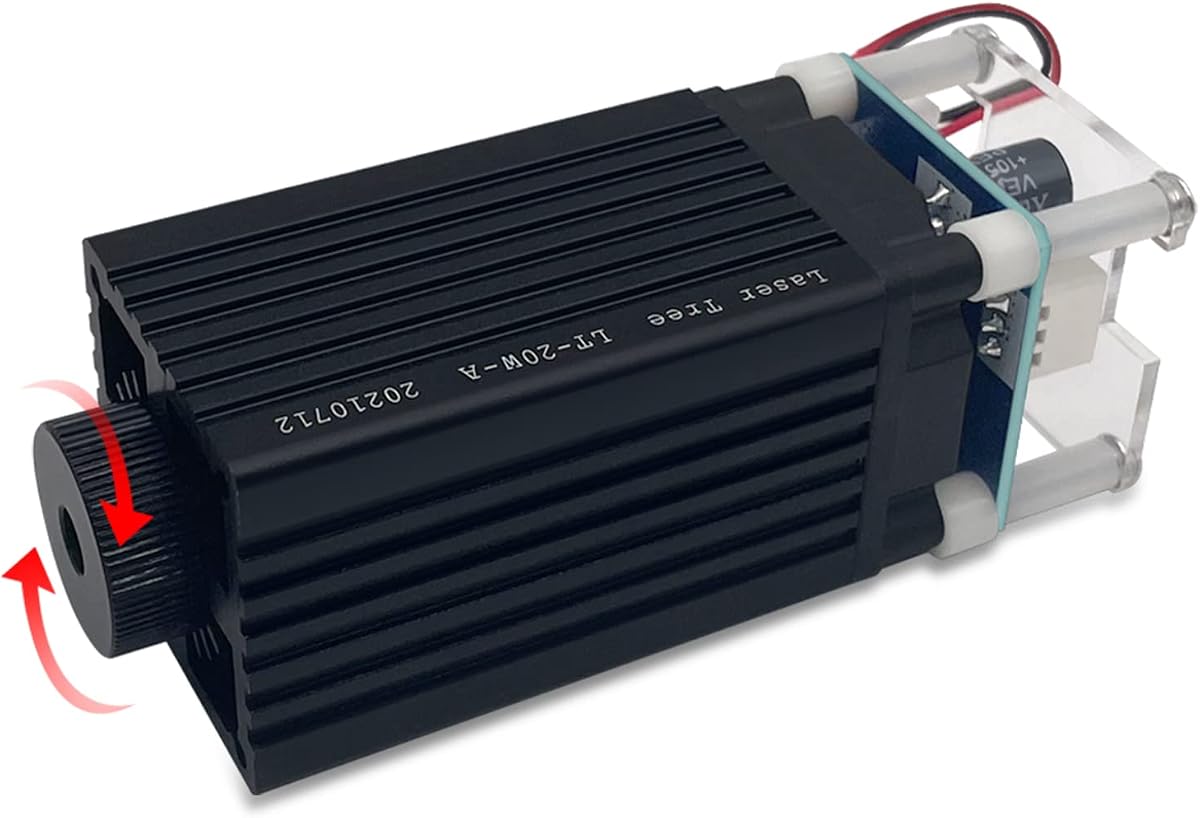


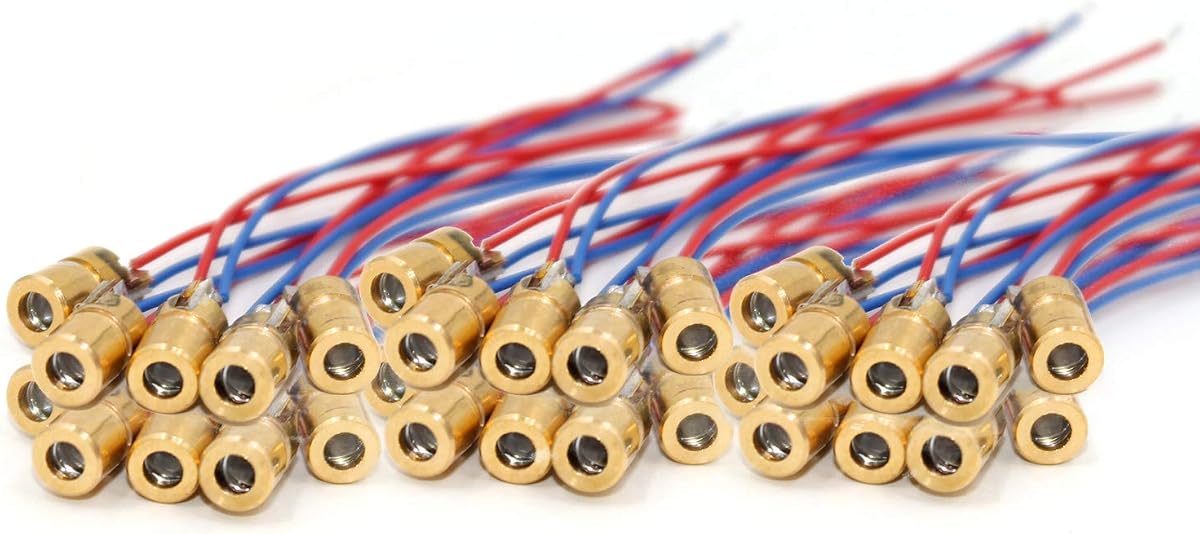


This diode laser module stands out for its impressive 10000mW optical output which enables significant cutting and engraving capabilities. With a high rating of 4.4 stars users appreciate its reliability and power efficiency. The built-in air assist system is a standout feature that improves cut quality significantly.
We may earn a commission when you buy through this link, at no additional cost to you.
The module features an original diode with a focusing aspherical lens which helps in achieving a smaller beam size at focus. This increases power density and engraving speed by up to five times compared to standard modules. It can directly engrave stainless steel without paint and cut through eight millimeters of plywood in one pass.
While it offers high performance it does require a specific voltage input of 12 volts which users must ensure their machines support. The module also demands proper cooling and ventilation to maintain optimal performance over extended periods. These are acceptable trade-offs for the level of precision and power provided.
Anyone looking to upgrade their DIY CNC machine or 3D printer with professional grade cutting capabilities should consider this module. It is particularly suitable for those who need to cut thicker woods or engrave metals efficiently. We highly recommend it for serious hobbyists and small business owners.
The 10000mW output allows for cutting through materials like 8mm plywood in a single pass which is rare at this price point.
Built-in FAC lens technology reduces beam size at focus increasing power density and allowing for finer detail in engraving tasks.
We may earn a commission when you buy through this link, at no additional cost to you.
The AENBUSLM 40W module offers a robust solution for advanced engraving needs with its 5500mW optical output. It holds an impressive 4.6 rating reflecting high user satisfaction with its performance and build quality. The integrated air assist is a key feature that ensures cleaner edges during cutting operations.
We may earn a commission when you buy through this link, at no additional cost to you.
This module is designed with a high speed fan cooling system that maintains stability during prolonged use. It claims to engrave 304 stainless steel at speeds up to 800mm per second without needing black paint. The original diode with FAC technology ensures a compact focus spot for superior precision.
While the performance is premium the cost is higher than basic modules which might be a barrier for some entry level users. Additionally it requires a stable external power supply either 12V or 24V depending on your setup configuration. These factors are justified by the industrial level capabilities it delivers.
This module is ideal for users who need to work with metals or require high speed processing for commercial or hobby projects. It fits well into existing DIY laser cutter frames with its versatile mounting holes. We recommend it for those prioritizing speed and material versatility.
The built-in fan runs at 12000 RPM ensuring the diode stays cool during intense cutting sessions to prevent overheating.
Directly engraves smooth stainless steel and ceramics without pre-coating which saves time and improves the final aesthetic.
We may earn a commission when you buy through this link, at no additional cost to you.
The HiLetgo red diode laser is an excellent budget option for beginners and electronic hobbyists. It features a 5mW output with a 650nm wavelength which is standard for red laser pointers. With a 4.3 star rating users find it reliable for simple indicator or low power projects.
We may earn a commission when you buy through this link, at no additional cost to you.
This product includes ten individual laser heads which makes it perfect for group projects or replacement needs. The 5V operation voltage allows it to run directly off standard USB or Arduino power sources without complex drivers. The small diameter of 6mm makes it easy to integrate into tight spaces.
Its low power means it cannot cut or engrave materials significantly but it serves well as a pointer or level instrument. Users should note it is not suitable for high intensity work or long duration exposure without proper safety measures. This limitation aligns with its budget friendly price tag.
Anyone starting with electronics or looking for a simple light source for alignment will find this product valuable. It is compatible with a wide range of microcontrollers like Arduino and Raspberry Pi. We recommend it for educational use or low risk prototyping tasks.
The 10 pack quantity makes it ideal for classrooms or maker spaces where multiple units are needed for demonstrations.
Operating at 5V means no complex power supply is required making it accessible for beginners with basic soldering skills.
We may earn a commission when you buy through this link, at no additional cost to you.
The LASER TREE 4W module provides a balanced entry into laser engraving for DIY enthusiasts. With 4000mW optical power it can cut through 1 to 2mm plywood efficiently. It holds a 4.3 rating indicating consistent performance for basic engraving tasks and small upgrades.
We may earn a commission when you buy through this link, at no additional cost to you.
The adjustable focus head allows users to tune the beam between 20mm and 50mm for different depths and material types. It uses original diodes with FAC lenses to maintain beam quality and stability during operation. The compact size makes it easy to mount on various CNC frames without bulky modifications.
While it is capable of cutting thin wood it lacks the power for engraving metals or thick materials like the 10W version. Users must ensure their driver supports 5V PWM modulation for speed control which is common but not universal. This is a reasonable limit for its size and cost.
This module is perfect for hobbyists who want to upgrade a 3D printer or mini CNC router with engraving capability. It is safer as a Class 1 module during use but still requires eye protection during alignment. We suggest it for those focused on wood and paper crafts.
The adjustable focus range allows you to optimize the spot size for different thicknesses of wood or paper materials.
Support for 5V PWM modulation enables fine control over laser power which is essential for detailed engraving work.
We may earn a commission when you buy through this link, at no additional cost to you.
This module offers a line output format which is useful for alignment and leveling tasks. It emits a 650nm red laser with 5mW power which is visible but not powerful. With a 4.1 rating it is suitable for general purpose tasks and non critical applications.
We may earn a commission when you buy through this link, at no additional cost to you.
The 2 pack packaging allows for dual use in different projects or as spare replacements. It is designed as a simple diode module without complex electronics making it easy to wire. The line shape is fixed so it cannot be adjusted to a dot without physical modification.
Its low power limits it to non cutting applications so it is best for level instruments or ground instruments. Users should be aware that it may not work well in bright ambient light due to the low output. This is typical for this price class of laser diodes.
Anyone needing a simple line laser for basic construction or DIY alignment will find this product adequate. It pairs well with Arduino or simple battery setups for portable use. We recommend it for budget friendly level projects.
The line format is ideal for setting up straight lines on floors or walls for tiling or painting projects.
The 650nm wavelength provides a standard red beam that is visible in most lighting conditions without being too bright.
We may earn a commission when you buy through this link, at no additional cost to you.
These green modules use a 532nm wavelength which is generally brighter and more visible to the human eye than red. They offer 5mW output in a dot format which is suitable for pointing or simple signaling. With a 4.2 rating they are reliable for short term use in various projects.
We may earn a commission when you buy through this link, at no additional cost to you.
The 2 pack allows for having spares or using both in a single project for redundancy. They include solder wires which means you need to solder them into your circuit yourself. The green light is particularly useful for long distance laser wireless communication or indicators.
One note is that in colder temperatures below 15 degrees Celsius the module needs a preheat time of 2 to 10 seconds. This is a common characteristic of green diodes and users should account for it in cold environments. Also they do not come with a protective housing which requires careful handling.
These modules are best for DIY laser projects where visibility is more important than cutting power. They are compatible with simple low voltage setups and are easy to integrate with custom electronics. We recommend them for signaling or optical experiments.
Green light at 532nm is perceived as brighter than red light allowing for better visibility in daylight conditions.
Solder wires allow you to integrate the diode directly into custom circuits without needing a prebuilt module housing.
We may earn a commission when you buy through this link, at no additional cost to you.
This pack offers an impressive 30 mini diode lasers which is great for bulk projects or teaching. Each unit has a 5mW output at 650nm which is standard for red laser pointers. It holds a 4.6 rating reflecting excellent quality control and user satisfaction with the quantity.
We may earn a commission when you buy through this link, at no additional cost to you.
The compact 6mm diameter makes them ideal for small projects or embedding into devices. They operate at 5V making them easy to connect to Arduino or similar microcontrollers directly. The copper plastic material ensures decent durability for low cost components.
Since they are raw diodes you will need to solder wires or use a socket to power them safely. They do not come with lenses or housings which limits their use to custom enclosures or experiments. This is a trade-off for the low price and high quantity.
For educational institutions or makers who need many light sources for robotics or sensors this is a top choice. It provides a cost effective solution for bulk needs without sacrificing basic optical performance. We highly recommend it for group projects or large scale prototypes.
With 30 units this pack provides excellent value for money when compared to buying individual diodes or modules.
The 5V voltage matches most development boards allowing direct connection without complex voltage regulators or drivers.
We may earn a commission when you buy through this link, at no additional cost to you.
This module emits violet purple light at 405nm which is distinct from standard red or green lasers. It offers 5mW output in a dot shape that is focusable for better precision. With a 3.8 rating it is suitable for users who need violet light for specific applications.
We may earn a commission when you buy through this link, at no additional cost to you.
The module allows you to adjust the front cap to get a dot shape at different distances which adds flexibility. It operates on DC 3 to 5V which makes it versatile for various low voltage sources. The industrial dot design is simple but effective for general use.
Users may need to adjust the focus cap upon arrival to get the ideal spot shape which requires patience. The lower rating suggests some variability in quality or ease of use compared to premium brands. This is common with budget modules that require manual tuning.
Violet lasers are often used for curing resins or fluorescence projects so this module is a good starter for such tasks. It is affordable and allows experimentation with different wavelengths without high investment. We recommend it for those interested in violet specific projects.
The focusable front cap allows you to tune the spot size to match your specific distance and application needs.
The 405nm wavelength is useful for specialized tasks like resin curing or UV reactive material detection.
We may earn a commission when you buy through this link, at no additional cost to you.
This module provides a simple red dot laser at 650nm with 5mW power. It comes in a 2 pack which is convenient for having a spare. With a 3.8 rating it is a basic unit suitable for general DIY needs or low priority tasks.
We may earn a commission when you buy through this link, at no additional cost to you.
The module allows you to adjust the front of the laser head to get an ideal dot laser shape. It operates on 3V to 5V which covers most common battery or USB power sources. The dot format is fixed but the focus can be tuned manually.
It is best for tools like laser test tools or concentric locating where precision is less critical. Users should be prepared to adjust the head to get the best spot which may take time. This is a trade-off for the low cost and simplicity.
Anyone needing a budget friendly red laser for alignment or signaling will find this useful. It is easy to mount and use in standard electronic projects. We suggest it for occasional use or backup options in your toolkit.
The adjustable front allows you to customize the dot size to ensure the best visibility for your specific setup.
Operating between 3V and 5V means you can power it with standard batteries or USB ports without extra circuitry.
We may earn a commission when you buy through this link, at no additional cost to you.
This single green module uses 532nm light which is more visible than red for similar power. It delivers 5mW in a dot format with solder wires for easy connection. With a 3.9 rating it is a standard unit for basic green laser needs.
We may earn a commission when you buy through this link, at no additional cost to you.
The module includes solder wires which allow you to integrate it into custom circuits quickly. It is brighter than 520nm variants which makes it stand out in various lighting conditions. This is useful for applications needing clear visual indicators.
In cold conditions below 15 degrees Celsius it requires a preheat time of 2 to 10 seconds to stabilize. This is a known trait of green diodes so plan for warm up time if used outdoors. The single pack is convenient for specific single device upgrades.
For users who need just one green laser source for a project this is a solid option. It offers better visibility than red without the bulk of a full power module. We recommend it for single use signaling or optical experiments.
The 532nm wavelength is brighter than 520nm making the green dot easier to see in daylight or bright indoor settings.
Allow a short warm up period in cold weather to ensure the laser operates at full stability and brightness.
We may earn a commission when you buy through this link, at no additional cost to you.
Selecting the right diode laser module requires understanding key factors like power, wavelength, and compatibility. This guide breaks down what matters most for your project.
Optical output power determines what materials you can cut or engrave. Modules with 4000mW to 5000mW can handle thin wood and paper, while those with 10000mW can cut thicker wood or engrave metals. Always check the optical power and not just the machine power rating.
Higher power means faster cutting but requires more cooling and safety measures. Choose a power level that matches your thickest material needs.
Wavelength affects visibility and material absorption. Blue 450nm is best for engraving organic materials. Green 532nm and Red 650nm are more visible to the human eye. Violet 405nm is used for UV applications. Choose based on your visual needs and material types.
Ensure the wavelength matches your application needs. Blue is ideal for wood and leather, while green is better for visual signaling.
Modules operate on different voltages like 5V, 12V, or 24V. Ensure your machine or power supply matches the module voltage. Using the wrong voltage can damage the module. Check your driver board specs before buying.
12V is standard for most engravers. 5V is common for small projects and Arduino. Verify your power supply compatibility.
A better lens like FAC reduces beam size for higher precision. Adjustable focus allows you to tune for different materials. Fixed focus is simpler but less flexible. Good optics improve cut quality and speed.
Look for FAC lenses for precision work. Adjustable focus is useful for varying material thicknesses.
Air assist helps clear debris and cools the material, improving cut quality. Built-in fans prevent the diode from overheating. Without these, the module may burn out faster. Check for integrated cooling systems in high power modules.
High power modules need air assist and cooling. This ensures long life and consistent performance during cutting.
Lasers are classified by safety risk. Class 1 modules are safer when enclosed. Class 4 are powerful and require protective glasses. Always wear appropriate safety glasses. Check the class rating to understand safety needs.
Protective gear is mandatory for higher classes. Choose based on safety comfort and enclosure options.
Ensure the module fits your machine frame. Multi-hole positions allow versatile mounting. Adapter boards help with pin differences. Check connector types to ensure plug-and-play compatibility.
Universal mounting is best for upgrades. Verify the connector matches your machine's input.
Reliable support helps if the module fails. Check for warranty periods and response times. Good after-sales service is crucial for long term use. Ensure the vendor offers technical help.
Strong support ensures peace of mind. Look for vendors with active communities or contact options.
Always wear protective eyewear matching the laser wavelength to prevent eye damage. Ensure the area is well ventilated and free of flammable materials. Secure the module firmly to avoid vibration during operation.
Connect the power supply to the correct voltage as specified. Use PWM for speed control if supported. Start with low power to test alignment and focus. Avoid prolonged exposure to the beam.
Clean the lens with a soft cloth to maintain beam quality. Keep the fan vents clear of dust for cooling. Store in a dry place when not in use. Regular checks prevent unexpected failures.
Yes high power blue diode modules with FAC lenses can engrave stainless steel without paint. Look for modules with 5000mW or more for best results. Lower power red or green modules generally cannot engrave metals.
Most engraving modules use 12V or 24V. Small indicator modules often use 5V. Check your machine driver board to confirm compatible voltage. Using the wrong voltage can damage the diode.
Check the mounting holes and dimensions of the module. Most are standard size but verify with your machine specs. Some come with adapter boards to ensure compatibility with various drivers.
Air assist helps clear debris and keeps the cut edge clean. It is highly recommended for cutting wood or thicker materials. Some modules come with built-in air assist systems.
Green and some other diodes need warm up in cold conditions. This stabilizes the beam output and ensures consistent power. Allow 2 to 10 seconds below 15 degrees Celsius.
Choose glasses rated for the specific wavelength like 450nm for blue lasers. Ensure they block at least OD4 or more. Always wear them during operation to protect your eyes.
We have reviewed the top ten diode laser modules ranging from basic indicators to high power engravers. The LASER TREE 10W and AENBUSLM 40W lead for professional cutting while HiLetgo serves entry level needs.
Prioritize optical power and voltage compatibility when choosing a module. Ensure the warranty support matches your expectations for long term use. Safety features and cooling systems are essential for higher power units.
Verify current availability and pricing before finalizing your purchase as these details can change. Our guide aims to simplify the selection process for your DIY or commercial projects. Choose based on your specific material and performance requirements.