
TP-Link AXE5400 Tri-Band
4.3Editor score
Tri-Band WiFi 6E with 6 GHz band
Near-zero latency for responsive gaming
EasyMesh-compatible for whole home coverage
This guide compares the top low latency WiFi routers for gaming and streaming, evaluating speed, coverage, and features to help you choose the perfect network
Finding a low latency WiFi router is essential for gamers and streamers who demand instant response times. High ping can ruin competitive play and cause buffering during critical moments. Choosing the right device ensures your connection remains stable and responsive under heavy load.
We compared ten leading routers based on real-world performance metrics and technical specifications. Our analysis focuses on Wi-Fi generation, bandwidth capacity, and proprietary features that reduce lag. Each model offers unique strengths tailored to different home sizes and usage patterns.
Every pick highlights key specifications and practical benefits for your specific needs. Prices fluctuate frequently so verify current deals before purchasing to save money. These recommendations cover budget friendly options to high end systems for ultimate performance.
4.3Editor score

4.6Editor score

4.3Editor score
This side-by-side comparison evaluates ten top routers across key performance categories to help you find the ideal match for your network demands and budget constraints in 2026.
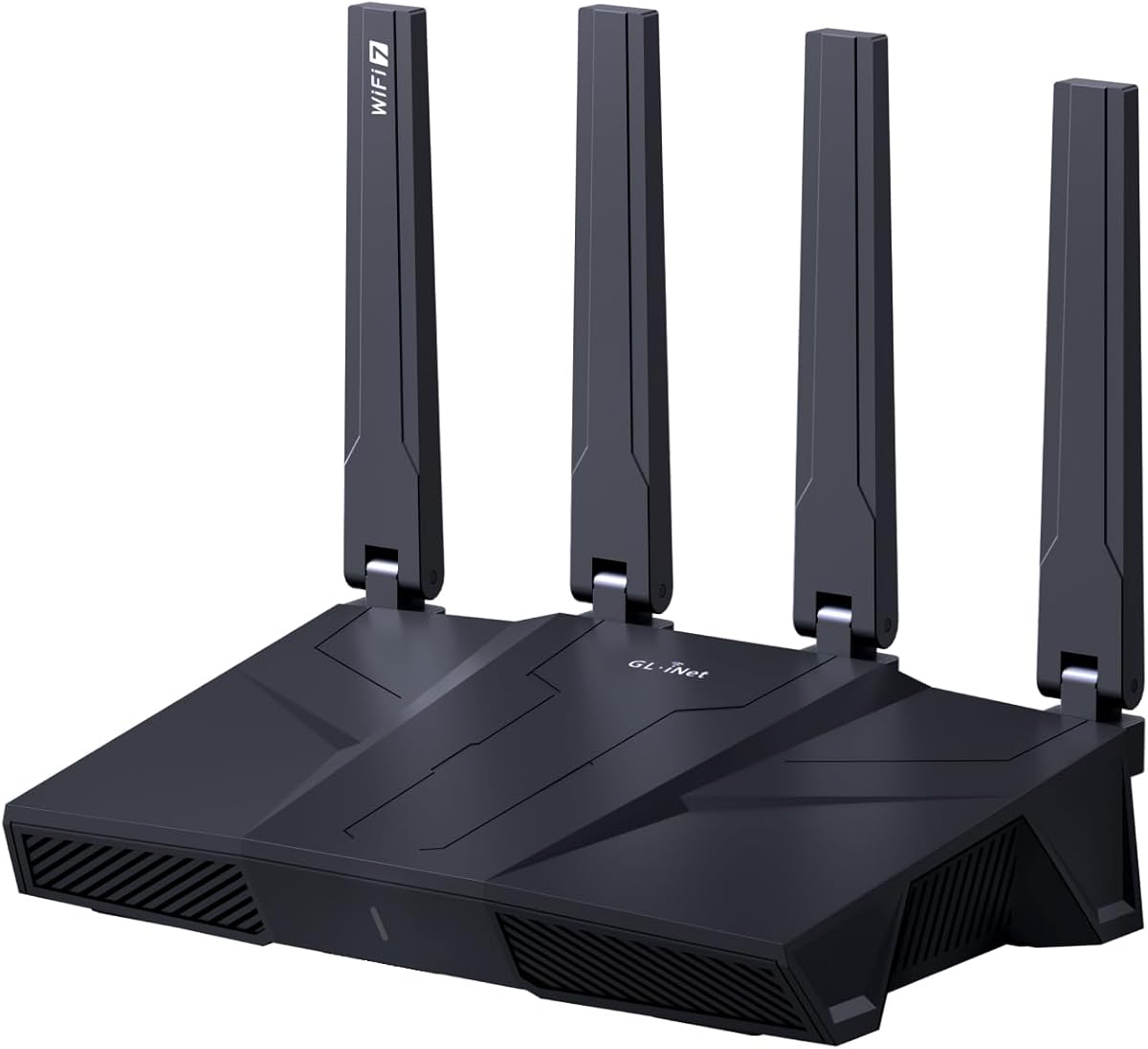



The GL.iNet GL-MT6000 Flint 2 stands out as a powerful Wi-Fi 6 gaming router delivering ultra-low latency performance. With a 4.6 rating it combines speed and stability for streaming and competitive play.
We may earn a commission when you buy through this link, at no additional cost to you.
Its 8-stream Wi-Fi 6 technology ensures blazing speeds up to 6 Gbps while dual 2.5G ports prevent bottlenecks. Rapid Wireguard and OpenVPN speeds keep encrypted traffic flowing smoothly without sacrificing connection quality.
Users should note firmware updates are crucial for optimal performance upon initial setup. The advanced features may overwhelm beginners but power users will appreciate the control over DNS filtering and plugins.
This router is ideal for tech-savvy households needing robust security and high capacity connectivity. Its balance of speed and customization makes it a top recommendation for demanding home networks.
The 8-stream technology and dual 2.5G ports ensure your gaming rig gets the bandwidth it needs without latency spikes during intense sessions.
Support for custom plugins and AdGuard Home gives you granular control over network traffic and security without relying on proprietary software.
We may earn a commission when you buy through this link, at no additional cost to you.
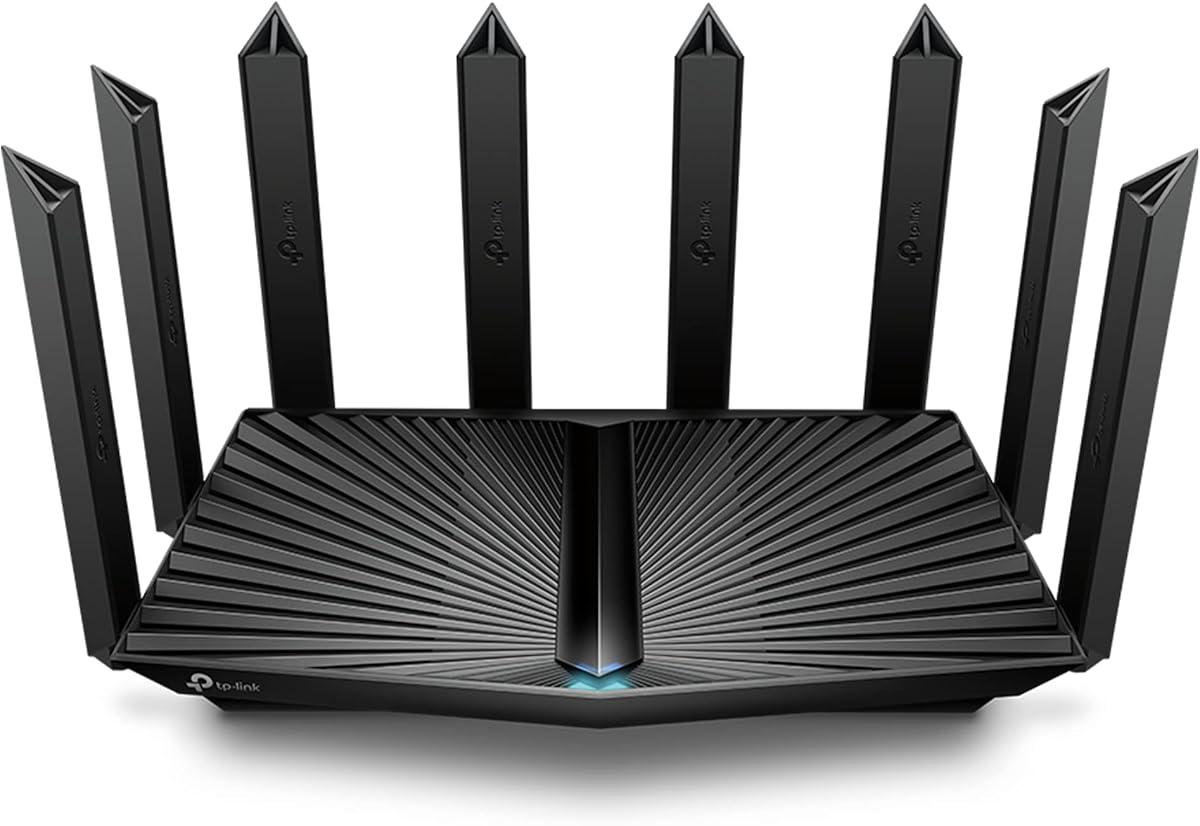
The TP-Link AXE5400 offers exceptional value as a tri-band Wi-Fi 6E router designed for fast responsive connectivity. It earns a 4.3 rating by balancing performance and price effectively for average homes.
We may earn a commission when you buy through this link, at no additional cost to you.
The dedicated 6 GHz band unlocks near-zero latency essential for gaming and video calls. Its unique housing design aids heat dissipation ensuring long-term reliability even during heavy data transmission periods.
While it lacks multi-gig ports the router handles typical broadband speeds well. Users relying on VPNs may find throughput limited compared to premium models but standard browsing remains smooth.
This model is perfect for households seeking modern Wi-Fi 6E features without breaking the bank. Its compatibility with EasyMesh extenders makes it easy to scale coverage as needed over time.
By utilizing the 6 GHz band you avoid interference from older devices ensuring a cleaner and faster connection path for your most latency-sensitive applications.
EasyMesh compatibility allows you to add extenders later to eliminate dead zones without replacing your main router creating a flexible whole home system.
We may earn a commission when you buy through this link, at no additional cost to you.
The NETGEAR Nighthawk WiFi 7 router delivers future-proof performance with speeds up to 9.3 Gbps across three bands. It holds a 4.3 rating and is built to handle growing smart home demands effortlessly.
We may earn a commission when you buy through this link, at no additional cost to you.
Its dedicated high-speed band ensures your fastest devices never slow down due to congestion. The 2.5 Gig WAN and LAN ports unlock multi-gig internet plans for wired gaming rigs and NAS drives.
Investment in this model requires compatible Wi-Fi 7 devices to realize full potential. Security tools are robust but may require a subscription after the trial period for advanced protection.
This router is best for tech enthusiasts who want the absolute latest wireless standard. Its wide coverage and multi-gig readiness make it a strong long-term investment for large homes.
With Wi-Fi 7 you gain access to faster speeds and improved capacity ensuring your network remains relevant as internet plans and device counts increase.
Delivering strong signal across 2500 square feet ensures every room maintains high speeds reducing the need for multiple mesh nodes in large properties.
We may earn a commission when you buy through this link, at no additional cost to you.
The GL.iNet GL-BE9300 Flint 3 leverages Wi-Fi 7 and Multi-Link Operation for ultra-fast speeds and reduced latency. Its 4.3 rating reflects strong connectivity in high-density environments.
We may earn a commission when you buy through this link, at no additional cost to you.
With five 2.5G ports it eliminates wired bottlenecks completely. MLO technology allows simultaneous band usage for better throughput and stability during peak hours without dropping connections.
DIY users will appreciate the high storage capacity for installing additional plugins and extensions. However basic users should be prepared to follow setup tutorials carefully for optimal performance.
This router fits tech enthusiasts needing extensive wired connectivity and future-proof wireless standards. Its combination of MLO and multiple high-speed ports makes it a unique choice for power users.
MLO connects devices to multiple frequency bands simultaneously improving reliability and reducing latency by avoiding congested channels dynamically.
Five 2.5G ports ensure every wired device gets maximum bandwidth without compromising wireless performance for other family members.
We may earn a commission when you buy through this link, at no additional cost to you.
The NETGEAR Nighthawk RS90 brings Wi-Fi 7 to mid-range households with up to 3.6 Gbps speeds. It carries a 4.3 rating and supports up to 50 devices seamlessly.
We may earn a commission when you buy through this link, at no additional cost to you.
Its 2.5 Gig WAN port unlocks multi-gig plans while four 1 Gig LAN ports connect essential devices. MU-MIMO and OFDMA keep data streams efficient during heavy simultaneous usage periods.
As a dual-band model it lacks the 6 GHz band found in tri-band options. This might affect performance in very crowded wireless environments compared to higher-end models.
This router suits families needing modern standards without excessive cost. The easy app interface and solid coverage make it a practical choice for upgrading existing networks quickly.
MU-MIMO and OFDMA ensure your devices communicate effectively with the router reducing wait times and improving overall network efficiency significantly.
The Nighthawk app simplifies network management allowing you to run speed tests and manage guest networks easily from your smartphone device.
We may earn a commission when you buy through this link, at no additional cost to you.
The TP-Link Archer BE230 provides an accessible entry into Wi-Fi 7 technology with dual 2.5G ports. Its 4.2 rating suggests strong performance for streaming and gaming tasks reliably.
We may earn a commission when you buy through this link, at no additional cost to you.
Dual 2.5G ports allow one for WAN and one for LAN multi-gig speeds. The quad-core processor manages high throughput efficiently eliminating lag even during heavy data transmissions.
Without the 6 GHz band it shares spectrum with legacy devices which may increase interference. Basic users will find setup simple via the Tether app with minimal technical knowledge.
This model is ideal for first-time Wi-Fi 7 adopters on a budget. Its wired capabilities and processor power provide a solid foundation for a modern high-speed home network.
The advanced processor ensures high throughput and minimal latency by efficiently managing data packets for all connected devices simultaneously.
Having two 2.5G ports allows you to connect your modem and a wired gaming rig directly for maximum speed without bottlenecks.
We may earn a commission when you buy through this link, at no additional cost to you.
The GL.iNet GL-BE6500 Flint 3e combines Wi-Fi 7 with exceptional VPN performance for secure low-latency connections. It achieves a 4.2 rating with strong signal reliability across 2500 sq ft.
We may earn a commission when you buy through this link, at no additional cost to you.
Wireguard VPN delivers speeds up to 1100 Mbps maintaining high performance even with encryption active. MLO and 4K-QAM boost speeds and reduce latency in dense network environments effectively.
The extensive coverage and capacity support many connected devices without congestion. Users need to manage setup carefully and update firmware regularly to ensure optimal performance standards.
This router suits tech-savvy households prioritizing security and speed. Its VPN capabilities and wireless performance make it a top choice for secure gaming and streaming activities.
Achieving 1100 Mbps on Wireguard VPN ensures your privacy without sacrificing game speeds during your online activities.
Designed for 2500 square feet this router ensures consistent signal strength throughout large homes reducing dead zones significantly.
We may earn a commission when you buy through this link, at no additional cost to you.
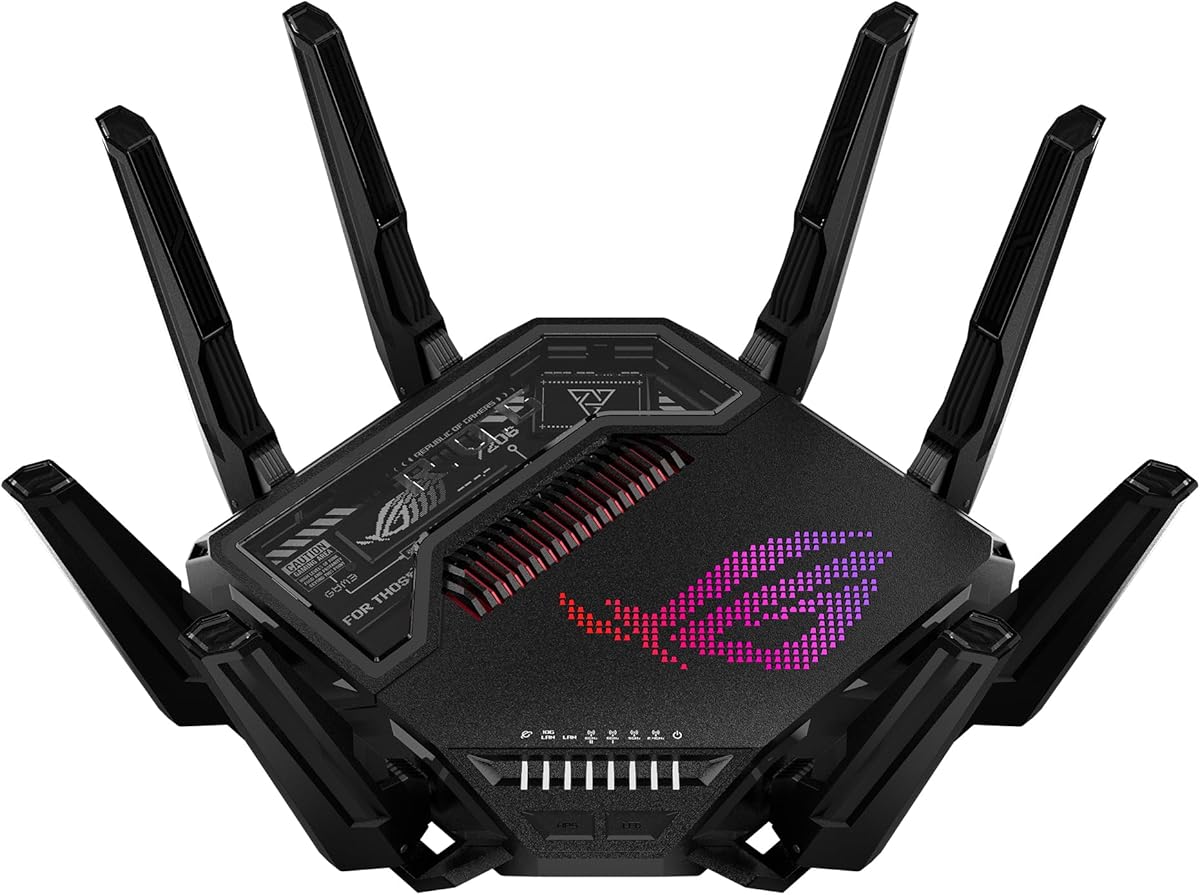
The ASUS ROG Rapture GT-BE98 Pro is a powerhouse designed for ultimate gaming performance with up to 30 Gbps speeds. It earns a 4.3 rating and features triple-level game acceleration.
We may earn a commission when you buy through this link, at no additional cost to you.
Dual 10G ports ensure wired devices never become a bottleneck for your internet connection. Multi-link Operation links multiple bands simultaneously for stable transfers even during peak usage times.
This premium router is expensive and best suited for enthusiasts with multi-gig internet and high-end setups. Casual users may not justify the cost but the performance is unmatched in class.
It is ideal for serious gamers and streamers needing zero compromise. The combination of speed and wired flexibility makes it a top choice for competitive environments.
This feature optimizes traffic from your PC to the game server ensuring minimal latency and smooth performance.
Dual 10G ports allow future-proof wired connections for your NAS and gaming rigs without worrying about bandwidth limits.
We may earn a commission when you buy through this link, at no additional cost to you.
The TP-Link AX6000 delivers efficient Wi-Fi 6 performance with up to 5952 Mbps and a 2.5G port. It holds a 4.4 rating and features MU-MIMO for better device handling.
We may earn a commission when you buy through this link, at no additional cost to you.
Its 2.5G port breaks the 1G barrier for wired multi-gig speeds while MU-MIMO and OFDMA enhance efficiency. VPN client support allows devices to access remote servers without local installation.
It lacks the newer Wi-Fi 6E or 7 bands but remains strong for current needs. Parental controls and OneMesh support extend functionality without adding extra hardware costs.
This router fits households needing a balance of speed and affordability. Its wired capability and strong Wi-Fi 6 support make it a reliable choice for modern homes.
MU-MIMO and OFDMA boost network efficiency allowing multiple devices to communicate simultaneously without significant performance drops.
Flexibly create whole-home Wi-Fi by adding OneMesh extenders to eliminate dead zones without replacing your main router.
We may earn a commission when you buy through this link, at no additional cost to you.
The Asus ROG GT-AXE11000 was the world's first Wi-Fi 6E tri-band router offering 11 Gbps speeds and dedicated 6 GHz spectrum. It holds a 4.1 rating and includes triple-level game acceleration.
We may earn a commission when you buy through this link, at no additional cost to you.
Wider channels on 6 GHz deliver lower latency and less interference for gaming. The 2.5G port prioritizes traffic ensuring high-performance connections for demanding wired devices.
While newer standards exist this model remains powerful for high-end setups. Its robust cooling system supports long-term reliability during extended gaming or streaming sessions.
This router is suitable for users who value brand-specific gaming features. Its 6 GHz capabilities still provide low latency performance for competitive gaming and streaming.
The dedicated 6 GHz band provides wider channels and higher capacity ensuring higher performance and lower latency.
All traffic through the 2.5G port is given top priority unlocking the full potential of your high-speed internet.
We may earn a commission when you buy through this link, at no additional cost to you.
Choosing the best low latency router requires understanding technical specs and how they affect your daily use.
Wi-Fi 7 offers the lowest latency with Multi-Link Operation and 320MHz channels but requires compatible devices. Wi-Fi 6E adds 6 GHz for clean lanes while Wi-Fi 6 is still solid for standard tasks.
Look for Wi-Fi 7 if you have future devices or Wi-Fi 6E for immediate low latency gains.
Higher total speeds ensure your network won't bottleneck during peak usage. 9 Gbps or more means you can stream 8K video while others game on the same network without lag.
Choose routers with 9 Gbps+ speeds for large households to ensure all devices get sufficient bandwidth.
Multi-gig ports like 2.5G or 10G are vital for wired devices like gaming PCs or NAS drives. Wired connections always offer the lowest latency so having fast ports is key.
Ensure your router has at least one 2.5G port for your main gaming rig.
Your home size dictates how much coverage you need. A router covering 2500 sq ft reduces the need for extenders which can add latency if mesh backhaul isn't efficient.
Select a router matching your square footage to avoid adding unnecessary hops to your signal path.
Some brands like ASUS offer Triple-Level Game Acceleration to prioritize game traffic. This optimizes traffic from your PC to the game server ensuring minimal latency.
Check for specific gaming features if competitive play is your top priority.
Built-in firewalls and parental controls protect your network from external threats without slowing it down. Security features like Armor or HomeShield keep devices safe while maintaining performance.
Ensure the router includes robust security tools to prevent malware that could consume bandwidth.
Simple mobile apps guide you through setup and management. A clear interface helps you configure QoS to prioritize gaming traffic over downloads.
Look for a router with a user-friendly app to simplify network management daily.
If you use a VPN for privacy ensure the router supports high throughput protocols like Wireguard. High speeds on VPN ensure encryption doesn't add significant latency to your connection.
Check VPN speed specs if you rely on encrypted connections for your online activities.
Start by placing your router in a central location away from walls and metal objects. Elevate it off the floor and keep it clear of obstructions for best signal propagation.
Update the firmware immediately after setup using the manufacturer's app. Regular updates ensure you have the latest security patches and performance improvements for low latency.
Use Quality of Service settings to prioritize gaming or streaming devices over background downloads. This ensures your most critical activities always get the bandwidth they need.
Yes Wi-Fi 7 introduces Multi-Link Operation which allows devices to use multiple bands simultaneously reducing congestion and latency. It also uses wider channels to provide faster data rates.
Enable Quality of Service (QoS) to prioritize gaming traffic. Place your router centrally and use wired connections for stationary devices to reduce wireless interference and latency.
Not always but a 2.5G port ensures your gaming rig won't be bottlenecked by standard Gigabit ports. It is recommended if you have multi-gig internet plans for maximum speed.
Multi-Link Operation (MLO) is a Wi-Fi 7 feature that lets devices connect to multiple frequency bands at once. This increases speed and reliability while reducing latency significantly.
Yes if the router has weak VPN processing power. Look for routers with high VPN throughput speeds to ensure encryption does not impact your gaming ping negatively.
Mesh systems are great for coverage but wired backhaul is preferred for lowest latency. If using wireless backhaul ensure it supports Wi-Fi 6E or 7 for dedicated backhaul channels.
The 6 GHz band provides cleaner spectrum with less interference from older devices. This results in more consistent performance and lower latency for gaming and streaming.
Yes physical barriers like walls and metal reduce signal strength causing packet retransmissions. Placing the router centrally and elevated helps maintain a strong low latency connection.
We have reviewed ten routers ranging from budget-friendly Wi-Fi 6E to cutting-edge Wi-Fi 7 models. Each pick offers distinct advantages for different home sizes and gaming requirements.
Prioritize Wi-Fi 7 if you have future devices or Wi-Fi 6E for immediate gains. Ensure your router has multi-gig ports and a robust security suite to maintain performance.
Check current prices as deals fluctuate frequently. Investing in the right router ensures your network remains fast stable and ready for the bandwidth demands of tomorrow.