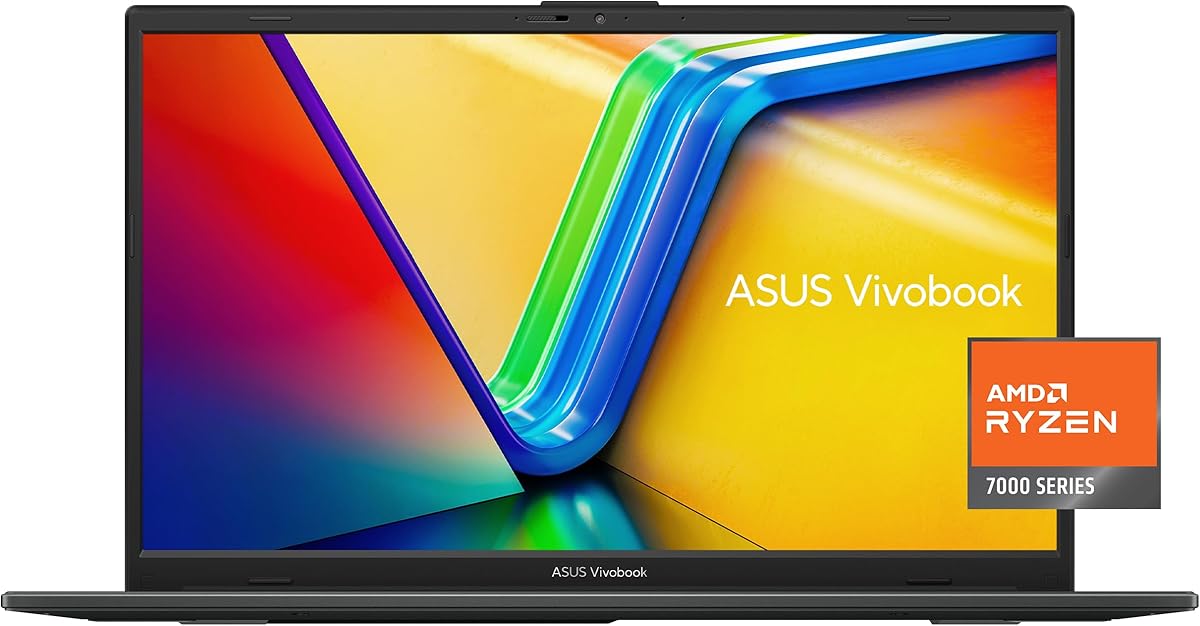
ASUS Vivobook Go 15
4.3Editor score
AMD Ryzen 3 7320U Processor
8GB DDR5 RAM Included
128GB SSD Storage
Finding the right computing device is crucial for academic success. Students need reliable machines that handle coursework, research, and entertainment without breaking the bank. ASUS offers a wide range of options tailored to different budgets and performance requirements.
We evaluated ten distinct models to help you make an informed decision. Our analysis focuses on processor speed, memory capacity, storage options, display quality, and overall build durability. We also consider battery life and connectivity features essential for campus life.
Each pick highlights specific strengths like budget friendliness or premium performance. Note that availability and offers may shift over time. Always verify current specifications before purchasing to ensure the device meets your specific academic and personal needs.
4.3Editor score

4.8Editor score

4.5Editor score
As an Amazon Associate we earn from qualifying purchases.
The following table provides a side by side comparison of all ten selected models. It highlights key specifications to help you quickly identify which device aligns best with your specific academic and creative requirements.


This laptop stands out as an excellent entry level option for students needing basic computing power. It holds a solid rating of 4.3 stars reflecting user satisfaction with its core functionality. The AMD Ryzen 3 processor ensures smooth browsing and document editing for daily assignments.
We may earn a commission when you buy through this link, at no additional cost to you.
The inclusion of 8GB DDR5 RAM is a significant advantage for multitasking. You can run multiple browser tabs and word processors simultaneously without significant lag. The military grade durability ensures it can withstand the daily rigors of being carried in a backpack.
The limited 128GB storage is a trade-off to keep costs low. You may need to rely on cloud storage solutions or external drives for large media files. However for this limitation is acceptable for users focusing primarily on web based work and document storage.
Budget conscious students looking for a reliable machine should consider this model. It offers essential features like a privacy shutter and fast charging which are vital for campus life. The compact design makes it easy to carry between classes and study sessions.
The chassis meets US military grade standards ensuring longevity even with frequent transport. This reliability is crucial for students who need their device to last throughout their academic years.
Fast charging capabilities allow you to top up the battery quickly between classes. This feature minimizes downtime and ensures you have power when you need it most during long study days.
We may earn a commission when you buy through this link, at no additional cost to you.
This model builds on the base series with improved storage and processing power. The Ryzen 5 7520U offers better performance for demanding applications and smoother workflow experiences. Users appreciate the generous 512GB SSD which eliminates storage worries for most coursework.
We may earn a commission when you buy through this link, at no additional cost to you.
The IceCool thermal technology keeps the device cool even under load. This is important for students who run multiple apps or engage in light creative tasks. The fast charging feature ensures you can get back to work quickly after a battery depletion.
While the 8GB RAM is sufficient for most tasks it might limit heavy multitasking. Advanced users running virtual machines or heavy software suites might find this restrictive. The display is functional but lacks the brightness of premium screens for outdoor use.
Students needing more storage without breaking the budget will find this ideal. It strikes a balance between performance and affordability making it a strong contender for general academic use. The Wi-Fi 6E ensures stable connectivity in busy campus environments.
The 512GB SSD provides plenty of room for files documents and applications. You will not need to constantly manage storage space or rely heavily on external drives for everyday tasks.
Wi-Fi 6E support provides faster and more stable internet connections. This is essential for streaming lectures video conferencing and downloading large research materials without interruptions.
We may earn a commission when you buy through this link, at no additional cost to you.
This model represents the top choice for students seeking a balance of power and portability. It boasts a high rating of 4.8 stars indicating strong user satisfaction across various use cases. The Snapdragon X processor brings AI capabilities and efficient performance for modern workflows.
We may earn a commission when you buy through this link, at no additional cost to you.
The 16GB RAM ensures smooth multitasking even with heavy browser usage and creative apps. The 14 inch form factor makes it highly portable for carrying around campus all day. The Copilot+ PC features offer advanced AI tools that can assist with research and writing.
Being a newer platform it may have some driver compatibility quirks initially. Most applications will run well but you might encounter edge cases with legacy software. These trade-offs are acceptable given the performance benefits and efficiency gains of the new chip.
Students looking for a future proof device should consider this model. It offers the best mix of performance battery life and features available for general use. The slim design and high quality display make it a joy to use for long study sessions.
Integrated AI capabilities allow for advanced features like recall and live captions. These tools can significantly enhance productivity and accessibility for students with diverse needs.
The Snapdragon processor delivers strong performance while maintaining excellent battery life. This efficiency means you can study all day without needing to carry a charger everywhere.
We may earn a commission when you buy through this link, at no additional cost to you.
This model is the most affordable option on the list making it accessible for tight budgets. It holds a 3.9 rating suggesting it meets basic needs but may struggle with heavier tasks. The Intel N4500 processor is suitable for web browsing and word processing.
We may earn a commission when you buy through this link, at no additional cost to you.
The compact and lightweight design makes it easy to carry in any bag. Fast charging technology ensures you can get back to work quickly when power is low. The USB-C port adds versatility for connecting to modern peripherals and displays.
The 4GB RAM is a significant limitation for modern computing standards. Multitasking will be restricted and heavy applications may cause slowdowns. The 128GB storage is also minimal requiring frequent management of files and apps.
Students with very basic needs and strict budgets might consider this option. It serves well as a second device or for light tasks like email and research. However those needing more power should look at models with higher specifications.
This is one of the most affordable laptops available from ASUS. It provides a functional solution for students who primarily use web based applications and do not need heavy processing power.
The slim profile reduces weight making it easy to transport. This is a key feature for students who walk across campus or travel frequently for studies.
We may earn a commission when you buy through this link, at no additional cost to you.
This laptop offers a larger 16 inch screen which is great for multitasking. The Snapdragon X processor provides efficient performance for AI enhanced workloads. Users appreciate the high resolution display that delivers crisp visuals for media and documents.
We may earn a commission when you buy through this link, at no additional cost to you.
The 16GB RAM allows for smooth operation of multiple applications simultaneously. The battery life is a strong point enabling long study sessions without needing a charger. The integrated GPU handles graphics tasks better than standard integrated graphics.
The larger size makes it less portable than 14 inch models. It may be cumbersome for students who carry their laptop everywhere. The weight is higher which could be a factor for those with back issues or limited carrying capacity.
Students who prioritize screen real estate and power efficiency will enjoy this model. It is ideal for those who work mostly at a desk or in libraries. The balance of performance and battery life makes it a strong choice for daily use.
The 16 inch WUXGA screen offers more space for open windows and documents. This layout helps in organizing research materials and writing drafts efficiently during study sessions.
The Snapdragon X processor includes dedicated NPU for AI tasks. This ensures faster processing of machine learning workloads and intelligent features built into the operating system.
We may earn a commission when you buy through this link, at no additional cost to you.
This model stands out with a massive 1TB SSD which is rare at this price point. The Core 5 120U processor offers reliable performance for daily tasks and light creative work. The inclusion of a docking hub adds significant value for connectivity options.
We may earn a commission when you buy through this link, at no additional cost to you.
Windows 11 Pro provides additional features for business and advanced users. The 12GB RAM is a unique configuration that offers a middle ground between 8GB and 16GB. Wi-Fi 6 support ensures fast and stable internet connections for online learning.
The display is standard FHD which is functional but not exceptional. You might find it less vibrant compared to higher end models. The specific RAM configuration may limit some upgradability options for future enhancements.
Students needing large storage for media files or extensive data sets will find this beneficial. It is a practical choice for those who value connectivity and storage over display quality. The docking hub makes it easier to connect to peripherals and external monitors.
The 1TB SSD provides ample room for large video files and datasets. This is ideal for students in fields that require handling extensive local media without relying on cloud storage.
Included docking hub simplifies connection to multiple peripherals. This streamlines your workstation setup and reduces the need for separate adapters or dongles.
We may earn a commission when you buy through this link, at no additional cost to you.
This model offers a solid balance of performance and features for students. The 16GB RAM ensures smooth multitasking without the need for upgrades. The Core 5 processor is capable enough for most academic and light creative workloads.
We may earn a commission when you buy through this link, at no additional cost to you.
The 15.6 inch FHD IPS display provides good color accuracy and viewing angles. This makes it pleasant for media consumption and long hours of reading on screen. The build quality is reliable offering a sturdy feel for daily campus use.
Battery life is average and might require charging during long days. It lacks some of the specialized features found in higher end models. However it remains a reliable workhorse for general computing needs.
Students looking for a reliable and well balanced machine will appreciate this model. It avoids extreme compromises and provides a consistent experience. It is a safe choice for those who want standard performance without specific niche features.
The Core 5 processor combined with 16GB RAM ensures smooth operations. You can run multiple tabs and apps without significant performance drops or system lag.
The IPS panel offers consistent colors and wide viewing angles. This is beneficial for collaborative work or sharing the screen with classmates during presentations.
We may earn a commission when you buy through this link, at no additional cost to you.
This is a powerhouse machine designed for demanding users and professionals. The Core i9 processor delivers elite level performance for complex simulations and AI tasks. It boasts a high user rating of 4.5 stars reflecting satisfaction with its capabilities.
We may earn a commission when you buy through this link, at no additional cost to you.
The 32GB RAM allows for heavy multitasking and running multiple virtual machines. Combined with 1TB SSD storage you have ample space for large projects and datasets. The fingerprint reader adds an extra layer of security for sensitive data.
The high performance hardware leads to significant power consumption. You may need to keep the device plugged in for heavy tasks. The PCO bundle cooler included helps manage heat during intense workloads ensuring stable performance.
Students in engineering or data science will find this model invaluable. It handles specialized software that standard laptops cannot run efficiently. While it is premium priced it offers a high level of capability for those who need it.
The i9 processor ensures you can handle complex computations without lag. This is essential for fields requiring heavy processing power like engineering or data analysis.
The fingerprint reader provides quick and secure access to your device. This helps protect your academic work and personal data from unauthorized access.
We may earn a commission when you buy through this link, at no additional cost to you.
This model combines productivity with gaming capabilities through its specialized hardware. The Ryzen AI 7 processor offers top level efficiency and AI processing. The Radeon graphics provide better visual performance for games and creative rendering.
We may earn a commission when you buy through this link, at no additional cost to you.
The WUXGA display offers sharper visuals than standard FHD screens. This makes content creation and media consumption more immersive. The battery life is impressive allowing for extended use without a charger.
The gaming capabilities make it stand out among standard student laptops. However this comes at a higher price point compared to basic models. Not all students need these specific features unless they game or edit video heavily.
Students who game or create content will find this laptop highly capable. It balances portability with the power needed for creative work. The integration of AI features ensures it remains relevant for future software requirements.
The WUXGA display provides higher resolution and sharper text. This reduces eye strain during long reading sessions and makes media look more detailed.
The Radeon GPU supports creative applications better than integrated graphics. This allows for smoother video editing and rendering without compromising portability.
We may earn a commission when you buy through this link, at no additional cost to you.
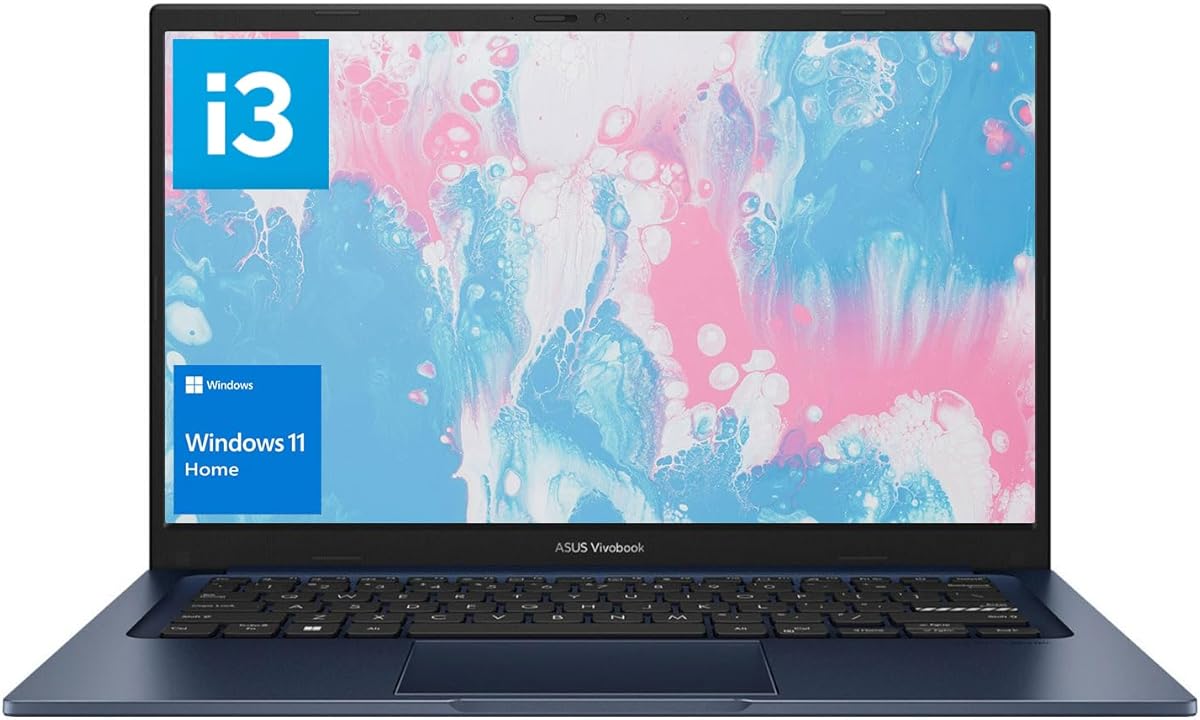
This model offers a practical configuration for everyday student tasks. The i3 processor is efficient for basic applications and web browsing. The generous 16GB RAM ensures smooth operation despite the entry level processor.
We may earn a commission when you buy through this link, at no additional cost to you.
The 14 inch form factor keeps it light and easy to carry. Wi-Fi 6 support ensures stable connectivity in crowded campus networks. The build quality is sturdy providing a reliable device for long term use.
The processor limits performance for heavy tasks or gaming. It is not ideal for those needing high compute power for specialized software. However for general education needs it performs admirably and efficiently.
Students needing a reliable daily driver for standard coursework will appreciate this. It avoids unnecessary bloat and focuses on core functionality. The combination of RAM and storage makes it a practical choice for most users.
The i3 processor consumes less power while handling standard tasks. This helps extend battery life and keeps the device cool during normal usage.
The 16GB RAM and 512GB SSD provide a solid base. This ensures you can work smoothly without immediate need for upgrades or external storage.
We may earn a commission when you buy through this link, at no additional cost to you.
Selecting the right laptop involves evaluating several technical factors against your academic needs. This guide outlines the key elements to consider before making a purchase.
The processor is the brain of your laptop and dictates how fast it runs tasks. For general students an Intel Core 5 or AMD Ryzen 5 is sufficient for multitasking and web browsing. If you plan to use engineering or data analysis software look for i7 or i9 options.
Prioritize a modern processor generation for better efficiency and future proofing.
RAM allows you to run multiple applications at once without slowdowns. A minimum of 8GB is recommended but 16GB is better for long term use. This ensures you can keep multiple tabs and apps open smoothly.
Higher RAM prevents lag during intensive study sessions and video calls.
Always choose an SSD over an HDD for faster boot times and file access. 512GB is a standard capacity that fits most documents and media. If you work with large video files consider 1TB or external drives.
Solid State Drives make the overall system feel much faster and responsive.
A sharp display reduces eye strain during long hours of reading. Look for FHD or higher resolution with IPS panels for better viewing angles. Matte finishes help reduce glare in bright lecture halls or outdoors.
Prioritize screen clarity and brightness for comfortable daily usage.
Students carry laptops frequently so weight and size matter. 14 inch models are generally lighter and easier to handle than 15 or 16 inch ones. Check dimensions to ensure it fits in your backpack comfortably.
Lighter devices reduce physical fatigue during daily campus commutes.
Battery life determines how long you can work away from a power outlet. Aim for models that offer all day power to avoid searching for outlets. Fast charging capabilities are a bonus for quick top ups between classes.
Long battery life ensures uninterrupted focus during study sessions.
Wi-Fi 6 support ensures stable and fast internet connections on campus. USB-C ports are essential for modern peripherals and charging. Ensure there are enough USB-A ports for older peripherals without dongles.
Good connectivity prevents frustration during online classes and uploads.
Students often transport devices rough so build quality is vital. Look for military grade durability or reinforced hinges for longevity. A sturdy chassis protects against drops and daily wear and tear.
Rugged construction ensures your device lasts through your entire academic career.
Keep your laptop clean by using a soft cloth to wipe the screen and keyboard regularly. Dust and grime can affect cooling and display quality over time. Avoid eating or drinking near the device to prevent accidental spills.
Manage your battery health by avoiding constant charging once it reaches 100 percent. Let the battery discharge occasionally to keep the chemical reaction active. This helps prolong the overall lifespan of your battery unit.
Store your laptop in a protective sleeve when carrying it in a backpack. This prevents scratches and minor impacts that could damage the chassis or screen. Regular maintenance ensures consistent performance throughout the year.
The ASUS Vivobook Go 15 offers the best value for students with limited funds. It provides essential features like a fast processor and durable build at a lower price point. It is sufficient for basic academic tasks and daily use.
For most college students 16GB of RAM is the ideal sweet spot. It ensures smooth multitasking between research and writing. 8GB is acceptable for very light use but 16GB offers better longevity.
Windows 11 Home is sufficient for most academic needs and coursework. It includes all the necessary tools for browsing document editing and communication. You only need Pro for advanced enterprise features like remote desktop.
Most students do not need a dedicated graphics card for standard coursework. Integrated graphics are capable of handling everyday tasks and media. You only need dedicated graphics for gaming or heavy video editing.
Many ASUS Vivobook models feature military grade durability for added protection. This ensures the device can withstand the bumps and vibrations of daily travel. Always use a protective case for extra safety.
Typical battery life ranges from 8 to 12 hours on these models. This allows for a full day of classes without needing a charger. Actual usage varies depending on brightness and active applications.
Some models allow RAM upgrades while others have soldered memory. Check specific model documentation before purchase to confirm upgradeability. It is safer to buy with enough RAM initially.
The Intel Core 5 and AMD Ryzen 5 offer the best balance for students. They provide enough power for multitasking without excessive cost. Avoid older processors for better longevity and efficiency.
We have covered ten top ASUS laptops ranging from budget friendly to high performance. Each model was selected for its reliability and suitability for academic work. The Vivobook series offers a wide variety to match specific student needs.
Prioritize performance and battery life to ensure a smooth educational experience. If you need heavy compute look to the i9 options. For general use the Ryzen and Core 5 models are excellent.
Prices and availability change frequently so check current offers before buying. Ensure the specific model you choose fits your budget and technical requirements. Investing in the right device now can save money and stress later.