
ALECPEA Upgrade T-7000 Black Adhesive Glue
4.6Editor score
High elasticity stretch
Precision dispenser tip
Waterproof protection
This guide compares the top adhesives for electronic components including thermal conductive sealants and precision glues for reliable repairs and protection.
Selecting the right adhesive for electronic components is critical for ensuring long-term durability and performance in modern devices.
We evaluated ten leading products based on conductivity, insulation strength, and ease of application to help you find the perfect match.
Each selection highlights unique benefits for different repair needs though product availability and costs may vary over time in the market.
4.6Editor score

4.4Editor score

4.8Editor score
The following table provides a side-by-side comparison of all ten selected products to help you quickly identify the best option for your specific electronic repair needs.


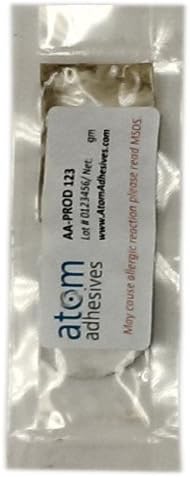
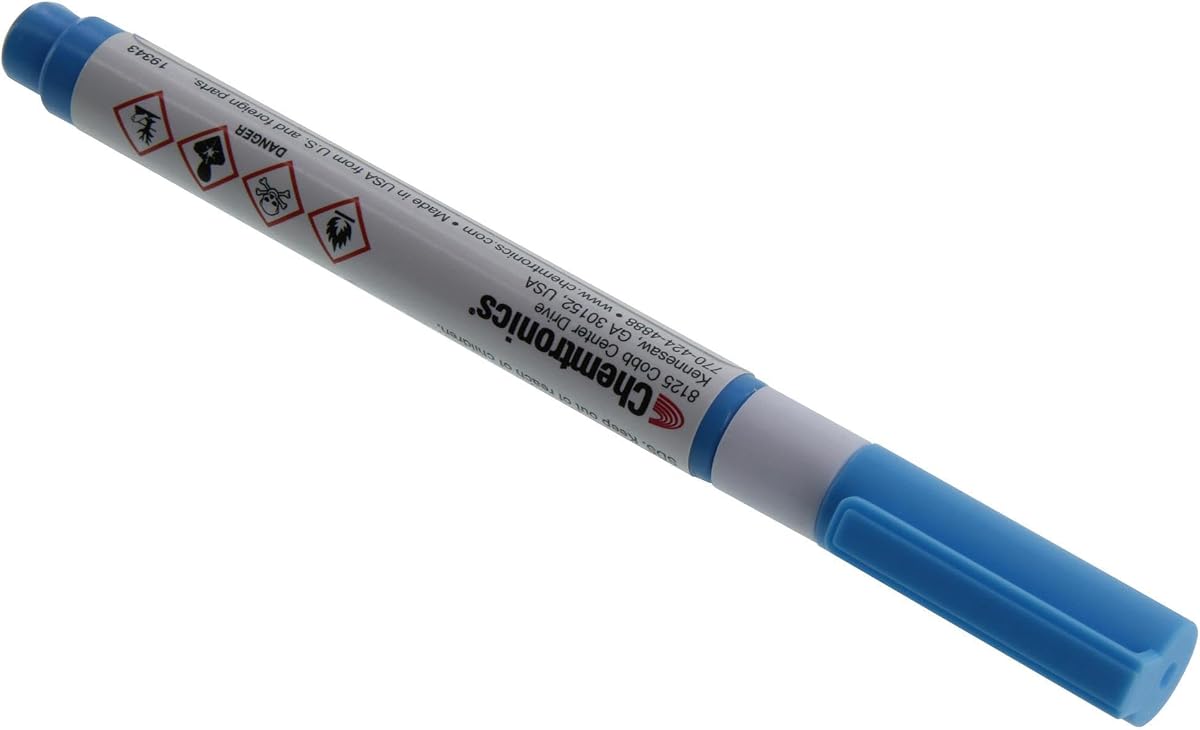
This electronic silicone adhesive sealant is designed to provide robust insulation and protection for delicate circuit boards and components.
We may earn a commission when you buy through this link, at no additional cost to you.
It features a high viscosity formula that forms a permanent waterproof barrier while maintaining transparency even after prolonged exposure to harsh conditions.
While it offers superior weather resistance and impact durability users should ensure surfaces are clean before application for optimal adhesion results.
It is an ideal choice for protecting transformers coils and household appliances where reliable sealing against moisture and temperature fluctuations is essential.
The adhesive creates a soft yet strong protective layer that withstands high and low temperatures effectively.
Suitable for circuit boards control boards and photovoltaic power supplies offering broad utility across devices.
We may earn a commission when you buy through this link, at no additional cost to you.
This black adhesive glue is engineered for professionals and DIY enthusiasts who need precise repairs on phones and electronic components.
We may earn a commission when you buy through this link, at no additional cost to you.
Its remarkable elasticity allows it to stretch up to 900 percent of its original length without breaking ensuring lasting results under stress.
Users should note that it requires at least 24 hours to cure fully and is not suitable for valuable or irreplaceable items without testing.
For budget-conscious repairers this glue offers professional grade adhesion with an easy application process that minimizes mess and waste.
The glue maintains integrity even when exposed to outdoor elements and stretching without breaking under pressure.
Comes with a needle dispenser and anti-clog cap to ensure airtight seals and controlled application.
We may earn a commission when you buy through this link, at no additional cost to you.
This thermal glue features a silicone-based formula designed to ensure rapid heat dissipation for high-stress components like GPUs and IC chips.
We may earn a commission when you buy through this link, at no additional cost to you.
It provides a non-electrically conductive and non-corrosive bond that stays permanent even when working at high temperatures safely.
While it is excellent for heatsinks and transistors users must avoid using it on standard CPU sockets where thermal paste is preferred.
For maintaining 3D printers or Peltier modules this glue is a must-have solution that prevents thermal throttling and extends hardware life.
High thermal conductivity ensures efficient dissipation away from critical components under heavy loads.
Non-corrosive properties protect delicate PCBs while providing a permanent strong adhesion over time.
We may earn a commission when you buy through this link, at no additional cost to you.
This thermal glue is formulated to help MOSFETs LEDs and ICs dissipate heat effectively when bonded directly to a heatsink.
We may earn a commission when you buy through this link, at no additional cost to you.
It is non-conductive and non-toxic ensuring safety for both users and electronic components during routine maintenance tasks and repairs.
The adhesive has a quick drying time of approximately 30 minutes at room temperature making it simple and easy to use.
Ideal for all heat sinks without retaining clips it offers a reliable and long-lasting connection with excellent results for various applications.
With conductivity of 0.975W/m-K it helps disperse heat effectively from chipset to heat sink.
Ensures long-term use will not damage the substrate due to non-expanding moisture-proof properties.
We may earn a commission when you buy through this link, at no additional cost to you.
The non-corrosive curing system of this electronic grade silicone makes it ideally suited for protecting corrosion-sensitive electrical materials.
We may earn a commission when you buy through this link, at no additional cost to you.
It emits no objectionable odors during the cure process which is ideal for use in confined areas during assembly or repair work.
While adequate ventilation is recommended for large-scale production it is specifically formulated for electrical and electronic production and assembly.
This product offers superior protection for copper brass and silver components ensuring long-term reliability and safety in electrical environments.
Protects sensitive materials like copper and brass from degradation over extended periods.
Emitting no objectionable odors makes it safe for use in confined assembly areas.
We may earn a commission when you buy through this link, at no additional cost to you.
This product offers an electronics grade silicone adhesive sealant specifically designed for precise applications on sensitive electronic components.
We may earn a commission when you buy through this link, at no additional cost to you.
It provides a clear finish that allows visibility of the underlying work while ensuring a robust seal against environmental factors.
The sealant is ideal for small repairs where accuracy is paramount to avoid damaging surrounding components or connectors.
For professionals who trust established brands this product delivers reliable performance for sealing and bonding delicate circuits.
Formulated specifically for electronics ensuring compatibility and safety for sensitive devices.
Packaged for precise application allowing controlled use on small and intricate parts.
We may earn a commission when you buy through this link, at no additional cost to you.
This complete kit includes two tubes of black adhesive glue and a handy pair of tweezers for efficient and clean repair work.
We may earn a commission when you buy through this link, at no additional cost to you.
The precision tip nozzle allows for controlled application making it ideal for phone screen repairs without creating unnecessary mess.
Its high elasticity allows it to absorb stress and vibration ensuring that repairs stay firmly in place even under daily wear.
Whether for smartphones or small connectors this glue is a reliable solution for professionals and DIY enthusiasts needing a strong bond.
Includes tweezers which are indispensable for picking up tiny components during repairs.
With very high elasticity it can stretch without breaking absorbing stress and vibration effectively.
We may earn a commission when you buy through this link, at no additional cost to you.
This premium kit offers four pieces of transparent glue in varying sizes along with a comprehensive repair tool set.
We may earn a commission when you buy through this link, at no additional cost to you.
The needle precision applicator tip allows for accurate control and medium viscosity ensuring professional results on LCDs and speakers.
It is widely used for mobile phone frame repair and crafting due to its low odor and superior solidification properties.
Ideal for those needing a versatile and durable adhesive solution this kit provides everything necessary for complex repair projects.
Applied needle opening precision applicator tip ensures precise and well controlled gluing points.
Used in many materials from cellphone repairing to jewelry beads and conductive foil car accessories.
We may earn a commission when you buy through this link, at no additional cost to you.
This electrically conductive silver epoxy adhesive is designed for applications where conductivity is a primary requirement.
We may earn a commission when you buy through this link, at no additional cost to you.
It comes in a single-use pouch that is easy to mix and provides unbeatable strength bonding to glass metals and wood.
While it hardens at room temperature in 24 hours users must ensure proper mixing within the one hour work time.
For specialized needs requiring conductivity and strong bonding this product offers a compliant and reliable solution for electronics.
Best for most electronics applications requiring electrical conductivity across bonded joints.
Bonds well to glass metals fabrics wood and many other substrates effectively.
We may earn a commission when you buy through this link, at no additional cost to you.
This specialized conductive adhesive features an acrylic formula with nickel for reliable electrical conductivity in sensitive applications.
We may earn a commission when you buy through this link, at no additional cost to you.
Its gray color helps users track application areas while the included dispenser ensures controlled usage without waste.
While it is a smaller quantity compared to other options it is a premium choice for specific industrial or repair needs.
For those requiring a trusted brand with high conductivity standards this product delivers precise performance for bonding components.
Acrylic adhesive with nickel provides reliable electrical conductivity for specialized tasks.
Includes a dispenser to ensure controlled application and minimize waste during use.
We may earn a commission when you buy through this link, at no additional cost to you.
Choosing the right adhesive involves understanding conductivity strength and environmental resistance to match the specific needs of your repair project.
Electronic repairs often demand adhesives that are either conductive for electrical connections or non-conductive to prevent short circuits. Always check the technical specifications to ensure the material matches the electrical needs of your project such as grounding or isolation. Conductive silver epoxies are typically used for EMI shielding while silicone glues are preferred for general bonding.
Verify whether you need an electrically conductive adhesive for EMI shielding or a non-conductive silicone for safe general bonding.
If you are attaching heatsinks to processors or LEDs thermal conductivity becomes a critical factor. Thermal glues help dissipate heat away from high-stress components preventing thermal throttling and hardware damage. Look for products with low thermal impedance to ensure maximum efficiency in your cooling solution. This is especially important for high-performance computing or lighting systems.
Prioritize thermal conductive adhesives with low impedance for maximum heat dissipation efficiency in cooling systems.
Electronic components often operate in environments with fluctuating temperatures so your adhesive must remain stable under those conditions. Some silicones can withstand ranges from -50°C to 200°C without losing their bonding properties or flexibility. Always check the operational temperature range to ensure the glue will not become brittle or melt in your specific use case. This is vital for outdoor electronics or high-temperature enclosures.
Confirm the operational temperature range matches your use case to avoid brittleness or melting under heat.
Different projects require different speeds of work depending on the complexity of the assembly. Some adhesives cure in minutes while others may require 24 to 48 hours for full strength. Fast drying options are great for quick repairs but slower curing glues allow more time for precise positioning. Balance your need for speed with the requirement for alignment accuracy before purchasing.
Balance your need for speed with the requirement for precise alignment by checking the recommended curing time.
Small electronic components require precise application to avoid damaging sensitive connectors or creating short circuits. Adhesives with needle dispensers or precision tips allow for controlled application in tight spaces. This feature is particularly useful when repairing phones or intricate circuit boards where excess glue can be problematic. Look for kits that include tools to aid in accurate dispensing.
Look for adhesives with needle dispensers or precision tips to ensure controlled application in tight spaces.
Some devices experience vibration or movement which can cause rigid adhesives to crack and fail over time. Glues with high elasticity can stretch and absorb stress preventing bond failure in dynamic environments. This is especially important for mobile devices or components exposed to shock and vibration. A flexible adhesive will maintain its integrity longer under physical stress.
Ensure the adhesive has high elasticity to absorb stress and prevent bond failure in dynamic environments.
Exposure to moisture can lead to corrosion and failure of electronic circuits if not properly sealed. Waterproof adhesives provide a protective barrier that shields components from humidity and liquid spills. For outdoor applications look for products with superior weather resistance to withstand rain or condensation. This protection extends the lifespan of your repairs significantly.
Choose waterproof and weather-resistant adhesives to shield components from moisture and extend repair lifespan.
Not all adhesives bond well to every material so compatibility is key for a lasting repair. Check if the glue is suitable for the surfaces you are joining such as metal glass plastic or ceramic. Some formulas may react negatively with certain substrates causing damage or poor adhesion. Always test a small area first if you are unsure about the material interaction.
Always test a small area first to ensure compatibility between the adhesive and the materials you are joining.
Ensure all surfaces are clean dry and free of dust before applying any adhesive to maximize bonding strength and longevity. Use is alcohol or a lint-free cloth to wipe down components and remove any residue that might interfere with the glue. Proper preparation is the foundation of a successful repair and prevents future bond failures. Taking the time to clean surfaces properly will save you time and frustration later.
Apply the adhesive carefully using a precision tip or dispenser to control the amount and location of the glue. Avoid spreading the adhesive too broadly as excess glue can seep into connectors or short circuit nearby components. Work in a well-ventilated area especially with products that emit odors during the curing process. Accurate application ensures a professional finish and reduces the risk of damage to surrounding parts.
Allow the adhesive to cure fully according to the manufacturer's instructions before testing or using the repaired device. Some glues may feel dry to the touch but still require hours to reach maximum strength. Store unused adhesive in a cool dry place with the cap tightly sealed to prevent it from drying out prematurely. Proper storage and curing ensure you get the best performance from every tube of product.
Electrically conductive adhesives are safe but only when used for specific applications like shielding or grounding. You must avoid them on sensitive components that require insulation to prevent short circuits. Always verify if your repair needs conductivity or insulation before applying a conductive formula.
Removing dried adhesive usually requires mechanical scraping or chemical solvents like alcohol. Be gentle to avoid damaging the component or the PCB underneath. For stubborn residue heat can sometimes soften the bond to make removal easier.
Thermal glue is more permanent than thermal paste and is best for heatsinks that will not be removed. Paste is preferred for CPUs where re-application might be needed later. Use glue for components like LEDs or memory chips where permanent bonding is required.
Silicone adhesives offer better flexibility and temperature resistance while acrylics tend to cure harder and stronger. Silicones are better for sealing against moisture whereas acrylics are often used for structural bonding. Choose based on whether you need flexibility or maximum rigidity.
Many adhesives come with precision tips but having tweezers and screwdrivers helps with placement and securing parts. Kits often include tools for mobile repair which can make the process much easier. Basic tools ensure you can apply the glue accurately without damaging small components.
High-quality adhesives can last for many years if applied correctly and protected from harsh conditions. Environmental factors like extreme heat or direct sunlight can shorten the lifespan of the bond. Properly cured adhesives often match the lifespan of the components they protect.
Selecting the right adhesive depends on your specific repair needs whether that is thermal conductivity insulation or structural strength. The top picks in this guide cover a wide range of applications from budget-friendly precision glues to premium kits with full tool sets. Always consider the environment your device will operate in before making your final decision.
Prioritize safety and compatibility to ensure your repair lasts and does not harm the electronic components involved. Taking the time to read technical specifications and understand curing requirements will lead to more successful outcomes for your projects. Trust products from reputable brands to ensure consistent quality and performance.
Prices and availability can change frequently so checking current listings on retailer sites is recommended before purchasing. We hope this guide helps you find the perfect adhesive to protect and repair your electronic devices effectively. For more updates on the latest tools and materials stay tuned for future reviews and guides.